








"And The Band Played Waltzing Matilda"
- Eric Bogle
Now when I was a young man, I carried me pack, and I lived the free life of a rover
From the Murray's green basin to the dusty outback, well, I waltzed my Matilda all over.
Then in 1915, my country said son, It's time you stopped rambling, there's work to be done.
So they gave me a tin hat, and they gave me a gun, and they marched me away to the war.
And the band played Waltzing Matilda, as the ship pulled away from the quay
And amidst all the cheers, the flag-waving and tears, we sailed off for Gallipoli
And how well I remember that terrible day, how our blood stained the sand and the water
And of how in that hell that they called Suvla Bay, we were butchered like lambs at the slaughter.
Johnny Turk he was waiting, he'd primed himself well. He shower'd us with bullets,
And he rained us with shell. And in five minutes flat, he'd blown us all to hell
Nearly blew us right back to Australia.
But the band played Waltzing Matilda, when we stopped to bury our slain.
We buried ours, and the Turks buried theirs, then we started all over again.
And those that were left, well we tried to survive, in that mad world of blood, death and fire
And for ten weary weeks, I kept myself alive, though around me the corpses piled higher
Then a big Turkish shell knocked me arse over head, and when I woke up in my hospital bed,
And saw what it had done, well I wished I was dead. Never knew there was worse things than dyin'.
For I'll go no more waltzing Matilda, all around the green bush far and free
To hump tent and pegs, a man needs both legs-no more waltzing Matilda for me.
So they gathered the crippled, the wounded, the maimed, and they shipped us back home to Australia.
The legless, the armless, the blind, the insane, those proud wounded heroes of Suvla
And as our ship pulled into Circular Quay, I looked at the place where me legs used to be.
And thanked Christ there was nobody waiting for me, to grieve, to mourn, and to pity.
But the band played Waltzing Matilda, as they carried us down the gangway.
But nobody cheered, they just stood and stared, then they turned all their faces away
And so now every April, I sit on me porch, and I watch the parades pass before me.
And I see my old comrades, how proudly they march, reviving old dreams of past glories
And the old men march slowly, old bones stiff and sore. They're tired old heroes from a forgotten war
And the young people ask, what are they marching for? And I ask myself the same question.
But the band plays Waltzing Matilda, and the old men still answer the call,
But as year follows year, more old men disappear. Someday no one will march there at all.
Waltzing Matilda, Waltzing Matilda, who'll come a-waltzing Matilda with me?
And their ghosts may be heard as they march by that billabong, who'll come a-waltzing Matilda with me?
***********************************************************************************************
NOTES:
"Matilda" - the backpack and associated gear used by livestock drovers and prospecters
In remote areas of the Australian outback.
"Swag" - canvas sleeping bag
"Billabong" - creek or estuary, generally with an outlet to the sea and containing more or less brackish water.
Historical Note:
The Gallipoli Campaign (April 25, 1915-January 8, 1916),
A major land and sea operation of World War I, in which
British, French, Australian, and New Zealand forces
Unsuccessfully attempted an invasion of Turkey.
The action was confined to the Dardanelles Strait
And the tip of the Gallipoli (Gelibolu) Peninsula near
Istanbul. The purpose of the campaign, devised by British
Munitions minister David Lloyd George, first lord of the
Admiralty Winston Churchill, General Herbert H. Kitchener,
And Admiral Sackville H. Carden, was to open up a new
Theater of war as an alternative to the stalemate in
France, to relieve Turkish pressure on Russian forces
In the Caucasus, and, by gaining control of Istanbul
And the straits, to provide a direct link with Russia
Via the Black Sea. This campaign is also significant
For Australians in that it marked the first time a major
Australian military force was commanded by Australian,
Instead of English, officers.
What initially was to be exclusively a naval operation
Failed in February 1915 when several British and French
Ships were damaged by floating mines. A land invasion was
Then decided on, but it was not begun until late April.
An amphibious landing at that time was met with heavy
Resistance by the Turks. Excessive caution and timorous
Leadership by the British commander, Sir Ian Hamilton,
Resulted in several lost initiatives. Little headway
Was made beyond the several beachheads. In early August,
After three months of stalemate and stagnation on the
Beaches, a new major offensive was begun. Once again,
However, the excessive caution and indifferent leadership
Of the British command offset the effect of heavy
Reinforcements. The Turkish forces, on the other hand, were
Inspired by the leadership of Mustafa Kemal (Kemal Atatürk,
Later president of Turkey) and the skill of their German
Commander, Otto Liman von Sanders. After a few more months
Of stalemate, Hamilton was replaced by Sir Charles Monro,
Who was sent to evaluate the situation. Monro recommended
Evacuation, and the allied forces were withdrawn in December
And January. British casualties were 205,000 out of 410,000;
The French sustained a rate of 47,000 out of 79,000; Turkish,
250,000 to 300,000 out of 500,000. The fiasco badly
Stained the reputations of Churchill, Hamilton, and Kitchener.
Despite it's overall failure, however, the Gallipoli campaign
Weakened the Turks enough to facilitate the British seizure
Of Palestine in 1917. The action also distracted the Germans
From a plan they had in 1915 to begin another offensive in France.
Eric Bogle è un cantautore scozzese nato nel 1944. Conosciuto per le sue canzoni folk di forte impatto emotivo, spesso incentrate su temi di guerra, perdita e giustizia sociale, Bogle ha conquistato un seguito fedele in tutto il mondo. Tra i suoi brani più celebri figurano "And the Band Played Waltzing Matilda", una potente riflessione sulla tragedia della guerra australiana durante la Prima Guerra Mondiale, e "The Auld Triangle", una canzone che racconta le sofferenze dei prigionieri irlandesi nel carcere di Kilmainham. Bogle ha pubblicato numerosi album tra cui "By Request", "Something of Value" e "At This Stage". La sua musica è caratterizzata da un'intensa sensibilità, testi toccanti e una voce profonda e rassicurante.

Il comparto sonoro è uno degli elementi più importanti ma meno notati nel mondo del videogioco. Una colonna sonora azzeccata trasforma un'azione semplice in un momento indimenticabile, guida la concentrazione e crea un legame emotivo con lo schermo. Dai primi bip elettronici degli anni Settanta fino alle composizioni orchestrali contemporanee, il suono ha smesso di essere un semplice contorno per diventare un motore d'immersione fondamentale in qualsiasi software interattivo.

Dopo il grande riscontro nei liv del periodo primavera estate 2026, i Bluvertigo sono pronti per il nuovo album, con una notevole quantità di brani già pronti.
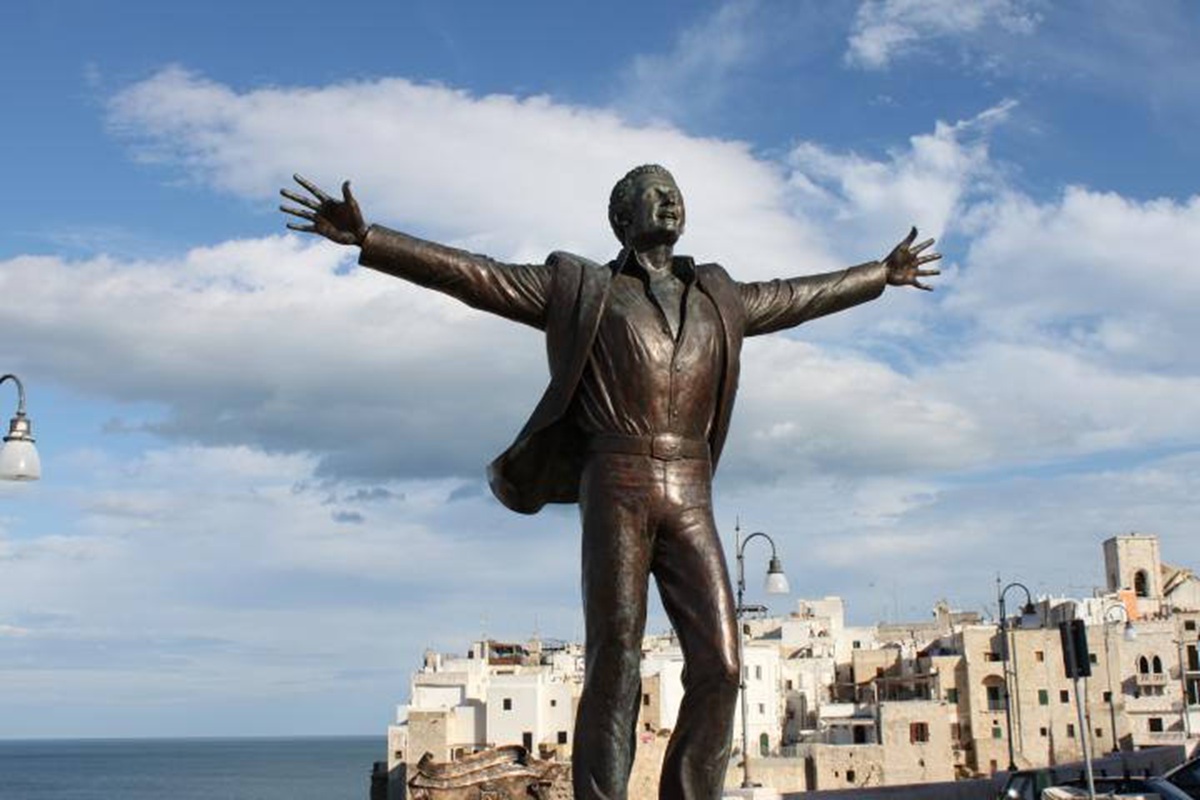
Volare è una delle aspirazioni più antiche dell'essere umano. Prima ancora che la tecnologia rendesse possibile attraversare il cielo, il volo rappresentava già la libertà, il superamento dei limiti e la possibilità di osservare il mondo da una prospettiva diversa. Nel corso dei secoli, questo desiderio ha trovato spazio nei miti, nella letteratura, nel cinema, nei giochi e, soprattutto, nella musica. Dal mito greco di Icaro ai disegni delle macchine volanti di Leonardo da Vinci, l'uomo ha sempre provato a trasformare il cielo in un luogo da raggiungere. Il volo, però, non è soltanto un movimento fisico: è anche una potente metafora della fantasia, dell'amore, del successo e della fuga dalla quotidianità.

Il supergruppo di Alice Cooper e Johnny Depp è pronto a tornare in Italia con 2 date nel mese di settembre.
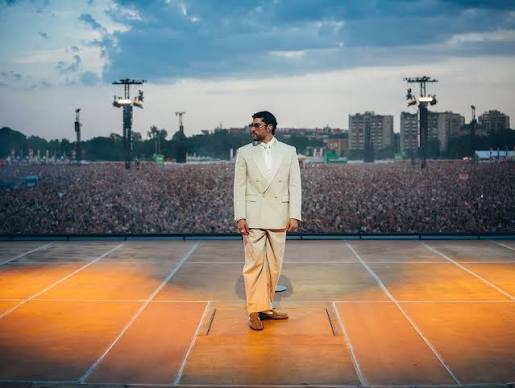
"Era uno dei concerti migliori della mia vita". Bad Bunny è tornato a parlare dell'evento tenuto sabato scorso all'Ippodromo La Maura nella zona San Siro di Milano. E la grandine riapre il problema sicurezza dell'impianto.

Noemi dovrà osservare 4 settimane di riposo dopo la caduta, ma dal 16 agosto sarà un tour de force per recuperare i live rinviati. Ecco tutte le date fino a settembre.

Lo scorso 13 luglio Paolo Belli era in bicicletta tra Correggio e Campagnola, in provincia di Reggio Emilia, per la sua solita sgambata, quando ha investito un uomo di 41 anni di nome Alessandro Mignani che, trasportato in ospedale, dopo 1 giorno in terapia intensiva, è deceduto.
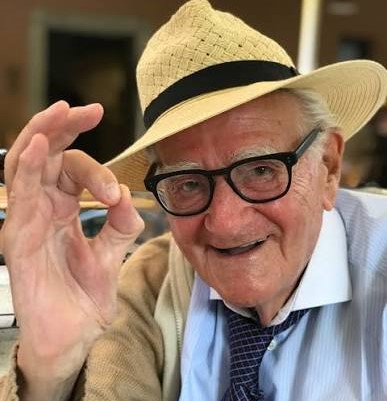
L'11 luglio Teddy Reno ha compiuto 100 anni! E' il primo cantante italiano a raggiungere questo traguardo.

Nella terza edizione di "Nuova Scena", talent dedicato al mondo rap in onda su Netflix, si sono aggiudicati la vittoria i cosentini Flextony e Tigerplug.

 Chris Andrews
 Evolution
 Nizlopi
 Marion
 Massive Ego
 Wendy James
 Billie
 Black Lodge
 Alex Campbell
 Obtest
 Adamski
 Riblja Corba