








I was a Maoist intellectual in the music industry
I always knew that I could seize the world's imagination
And show the possibilities for transformation
I saw a nation in decay, but also a solution: Permanent cultural revolution
Whenever I played my protest songs the press applauded me
Rolled out the red carpet, parted the Red Sea
But the petit bourgeois philistines stayed away
They preferred their artists to have nothing to say
How did I pass my time on earth? Now it can be revealed:
I was a Maoist intellectual in the entertainment field
I showed the people how they lived and told them it was bad
Showed them the insanity inside the bureaucrat
And the archetypes and stereotypes that were my stock in trade
Toppled all the ivory towers that privilege had made
Though I tried to change your mind I never tried your patience
All I tried to do was to point out your exploitation
But the powers that be took this to be a personal insult
And refused to help me build my personality cult
How did I pass my time an earth, what on earth got into me?
I was a Maoist intellectual in the music industry
I left the normal world behind and started living in
A hinterland between dissolution and self discipline
I burned the midnight oil to build my way of seeing
A miner at the coal face of meaning
The rich despised the songs I wrote which told the poor their worth
Told the shy to speak and told the meek to take the earth
But my downfall came from being three things the working classes hated:
Agitated, organised and over-educated
How did I pass my time on earth, how did I bear witness?
As a Maoist intellectual in the entertainment business
And how was I treated in this world and in this industry?
As a Maoist intellectual in a business would be
I became a hotel doorman, I stood there on the doormat
Clutching my forgotten discs in their forgotten format
Trying to hand them out to all the stars who sauntered in
The ones who hadn't been like me, who hadn't lived in vain
I gave up ideology the day I lost my looks
I never found a publisher for my little red books
When I died the energy released by my frustration
Was nearly enough for re-incarnation
But if I could live my life again the last thing that I'd be
Is a Maoist intellectual in the music industry
No, if I could live my life again I think I'd like to be
The man whose job is to stop the men who think like me
Yeah! If l could live my life again that'd be the thing to be
The man who plots the stumbling blocks
In the lives of the likes of me!
Momus, pseudonimo di Nicholas Currie, noto anche come Nick, è un cantautore, compositore, scrittore, blogger e giornalista scozzese. Attivo dal 1980, Momus ha esplorato una vasta gamma di generi musicali, dall'avant-pop al rock sperimentale, passando per l'elettronica e il folk. Conosciuto per le sue testi ironiche e provocatorie, spesso incentrate su temi sociali e politici, Momus si è affermato come un artista indipendente con una forte personalità artistica. Tra i suoi brani più rappresentativi figurano "The Ballad of the Broken Heart", "I'm a Man", "Love Is a Battlefield" e "The World is Mine". Momus ha pubblicato numerosi album, tra cui "Tender Prey" (1986), "The Last Days of Disco" (1990) e "The Book of Momus" (2003). Oltre alla musica, Momus si è cimentato anche nella scrittura di romanzi, saggi e articoli per riviste musicali. È un artista poliedrico che ha lasciato un segno significativo nell'underground musicale scozzese e internazionale.

Il comparto sonoro è uno degli elementi più importanti ma meno notati nel mondo del videogioco. Una colonna sonora azzeccata trasforma un'azione semplice in un momento indimenticabile, guida la concentrazione e crea un legame emotivo con lo schermo. Dai primi bip elettronici degli anni Settanta fino alle composizioni orchestrali contemporanee, il suono ha smesso di essere un semplice contorno per diventare un motore d'immersione fondamentale in qualsiasi software interattivo.
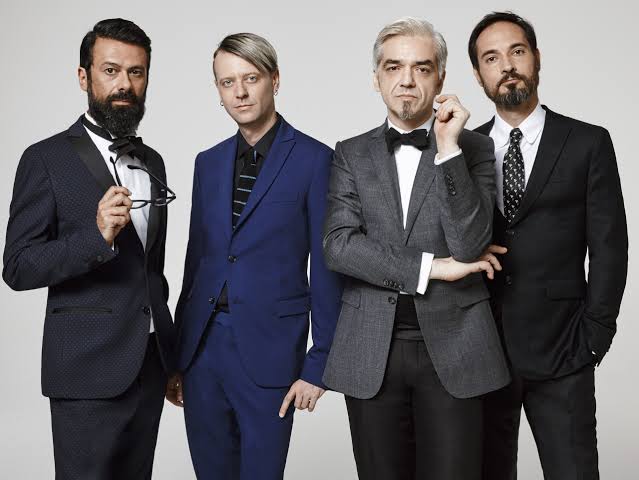
Dopo il grande riscontro nei liv del periodo primavera estate 2026, i Bluvertigo sono pronti per il nuovo album, con una notevole quantità di brani già pronti.
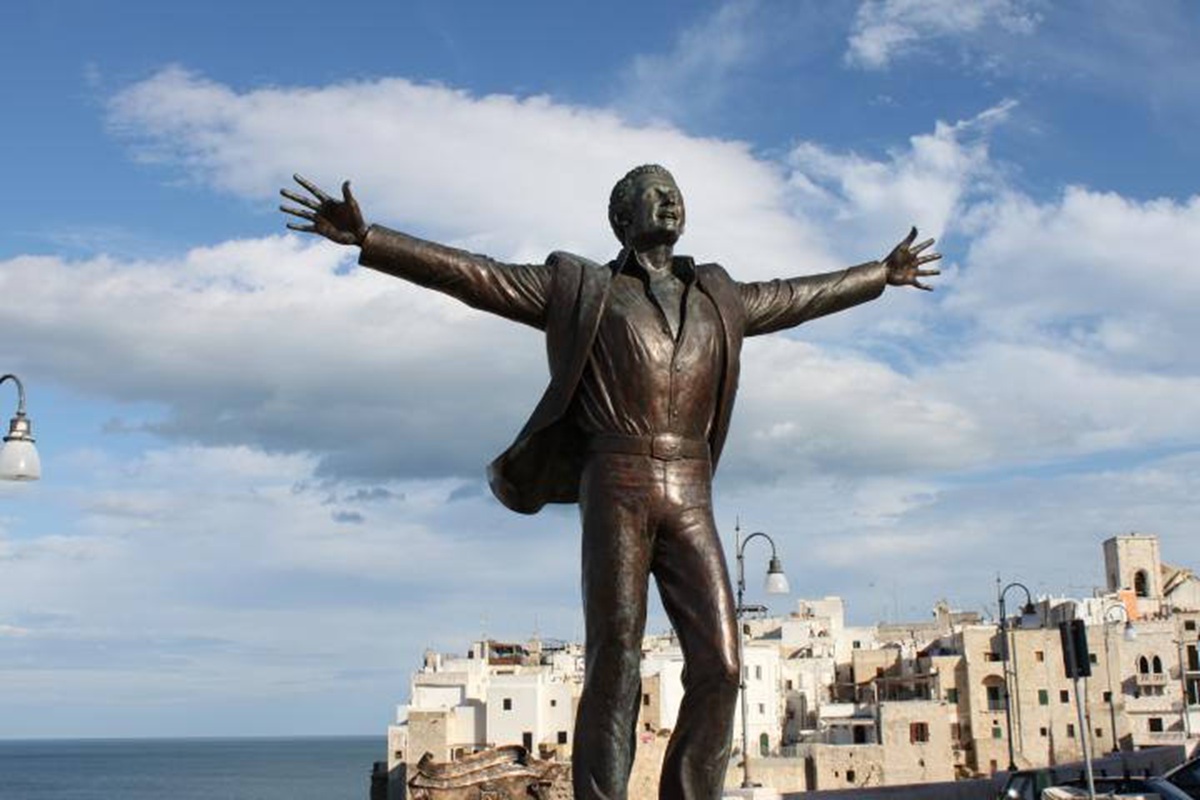
Volare è una delle aspirazioni più antiche dell'essere umano. Prima ancora che la tecnologia rendesse possibile attraversare il cielo, il volo rappresentava già la libertà, il superamento dei limiti e la possibilità di osservare il mondo da una prospettiva diversa. Nel corso dei secoli, questo desiderio ha trovato spazio nei miti, nella letteratura, nel cinema, nei giochi e, soprattutto, nella musica. Dal mito greco di Icaro ai disegni delle macchine volanti di Leonardo da Vinci, l'uomo ha sempre provato a trasformare il cielo in un luogo da raggiungere. Il volo, però, non è soltanto un movimento fisico: è anche una potente metafora della fantasia, dell'amore, del successo e della fuga dalla quotidianità.
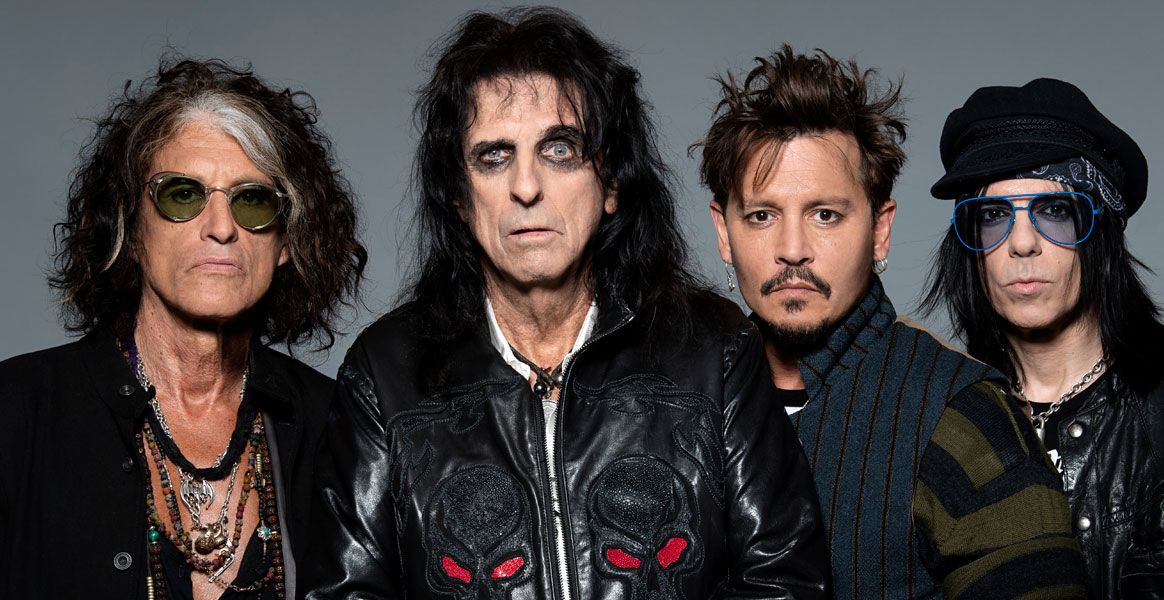
Il supergruppo di Alice Cooper e Johnny Depp è pronto a tornare in Italia con 2 date nel mese di settembre.
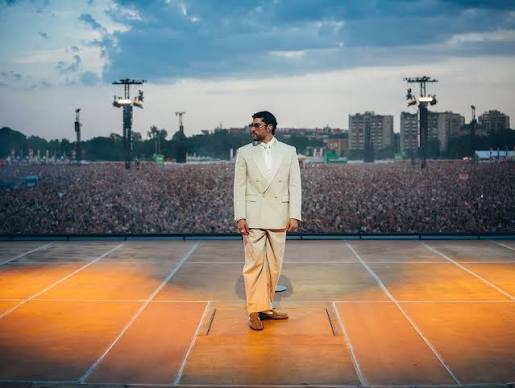
"Era uno dei concerti migliori della mia vita". Bad Bunny è tornato a parlare dell'evento tenuto sabato scorso all'Ippodromo La Maura nella zona San Siro di Milano. E la grandine riapre il problema sicurezza dell'impianto.

Noemi dovrà osservare 4 settimane di riposo dopo la caduta, ma dal 16 agosto sarà un tour de force per recuperare i live rinviati. Ecco tutte le date fino a settembre.

Lo scorso 13 luglio Paolo Belli era in bicicletta tra Correggio e Campagnola, in provincia di Reggio Emilia, per la sua solita sgambata, quando ha investito un uomo di 41 anni di nome Alessandro Mignani che, trasportato in ospedale, dopo 1 giorno in terapia intensiva, è deceduto.
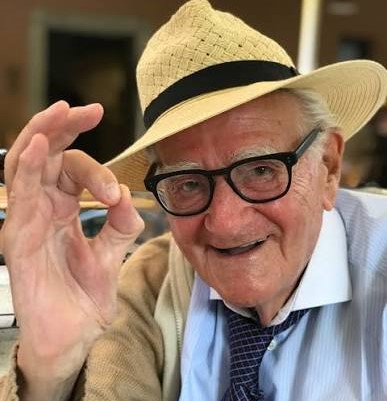
L'11 luglio Teddy Reno ha compiuto 100 anni! E' il primo cantante italiano a raggiungere questo traguardo.

Nella terza edizione di "Nuova Scena", talent dedicato al mondo rap in onda su Netflix, si sono aggiudicati la vittoria i cosentini Flextony e Tigerplug.

 Malcolm Middleton
 Pallas
 Meursault
 Glasvegas
 Gerry Rafferty
 Ray Wilson
 Dougie Maclean
 Aberfeldy
 The Corries
 The Dykeenies
 The Jesus And Mary Chain
 Deathboy