






Last spring, I spent a week in a convent in the Midwest. I'd been invited there to do a series of seminars on language. They'd gotten my name from a list in Washington, from a brochure that described my work as “deals with the spiritual issues of our time�, undoubtedly a blurb I had written myself.
Because of this, and also because men were not allowed to enter the convert, they asked me to come out. The night I arrived, they had a party for me in a nearby town, in a downstairs lounge of a crystal lane's bowling alley.
The alley was reserved for the nuns, for their Tuesday night tournaments; it was a pizza party. And the lounge was decorated to look like a cave: every surface was covered with that spray-on rock that's usually used for soundproofing. In this case, it had the opposite effect: it amplified every sound.
Now the nuns were in the middle of their annual tournament playoffs. And we could hear all the bowling balls rolling very slowly down the aisles above us, making the rock club stalactites tremble and resonate.
Finally the pizza arrived, and the mother superior began to bless the food. Now this woman normally had a gruffed low-pitched speaking voice but as soon as she began to pray he voice rose, became pure, bell-like, like a child's. The prayer went on and on increasing in volume each time a sister got a strike, rising in pitch “Dear Father in Heaven�.
The next day I was scheduled to begin this seminar on language. I'd been very struck by this prayer and I wanted to talk about how women's voices rise in pitch when they're asking for things, especially from men. But it was odd. Every time I set a time for the seminar, there was some reason to postpone it: the potatoes had to be dug out, or a busload of old people would appear out of nowhere and have to be shown around.
So I never actually did the seminar. But I spent a lot of time there, walking around the grounds and looking at all the crops, which were all labeled. And there was also a neatly laid-out cemetery, hundreds of identical white crosses in rows, and there were labeled “Maria�, “Teresa�, “Maria Teresa�, “Teresa Maria�, and the only sadder cemetery I saw was last summer in Switzerland. And I was dragged there by a Hermann Hesse fanatic, who had never recovered from reading ###130414, and one hot August morning when the sky was quiet, we made a pilgrimage to the cemetery; we brought a lot of flowers and we finally found his grave. It was marked with a huge fur tree and a mammoth stone that said “Hesse� in huge Helvetica bold letters. It looked more like a marquee than a tombstone. And around the corner was this tiny stone for his wife, Nina, and on it was one word: “Auslander� — foreigner. And this made me so sad and so mad that I was sorry I'd brought the flowers. Anyway, I de! cided to leave the flowers, along with a mean note, and it read:
Even though you're not my favorite writer, by long shots, I leave these flowers on your resting spot.
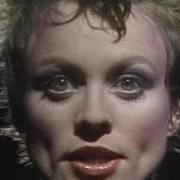
Laurie Anderson (nata Laura Phillips Anderson) è un'artista americana poliedrica, nota per la sua musica sperimentale, le performance teatrali innovative e l'utilizzo di tecnologie elettroniche. Nata nel 1947 a New York, ha iniziato la sua carriera negli anni '70 come musicista avant-garde, combinando elementi di musica classica, jazz e elettronica con testi poetici e narrazioni surreali. La sua performance iconica "O Superman" (1981) le ha conferito fama internazionale, raggiungendo il successo nelle classifiche musicali e anticipando l'uso di sintetizzatori e campionamenti nella musica pop. Anderson è stata una pioniera nell'integrazione di tecnologia e arte, utilizzando computer, video e strumenti elettronici per creare spettacoli multimediali coinvolgenti. Tra i suoi album più importanti figurano "Big Science" (1982), "Home of the Brave" (1986) e "Bright Red" (2005). Oltre alla musica, Anderson ha lavorato anche al cinema, alla televisione e al teatro, ricevendo numerosi premi per le sue creazioni artistiche. Tra i suoi brani più rappresentativi ricordiamo "O Superman", "Walking on the Moon", "Sharkey's Day" e "The Ugly One".
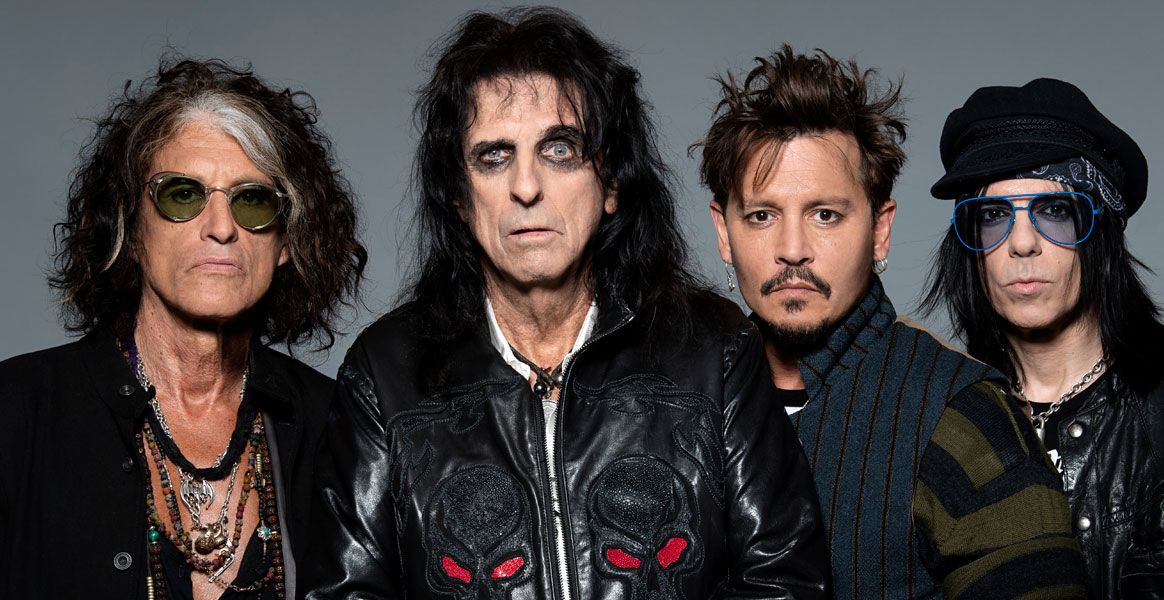
Il supergruppo di Alice Cooper e Johnny Depp è pronto a tornare in Italia con 2 date nel mese di settembre.
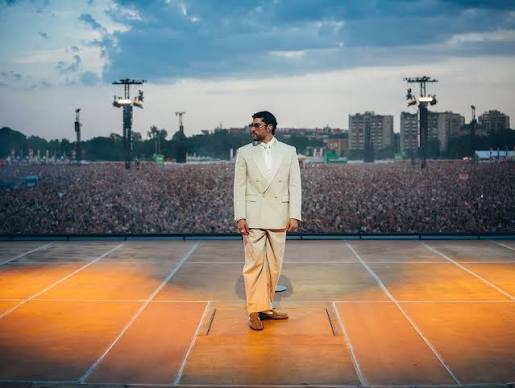
"Era uno dei concerti migliori della mia vita". Bad Bunny è tornato a parlare dell'evento tenuto sabato scorso all'Ippodromo La Maura nella zona San Siro di Milano. E la grandine riapre il problema sicurezza dell'impianto.

Noemi dovrà osservare 4 settimane di riposo dopo la caduta, ma dal 16 agosto sarà un tour de force per recuperare i live rinviati. Ecco tutte le date fino a settembre.
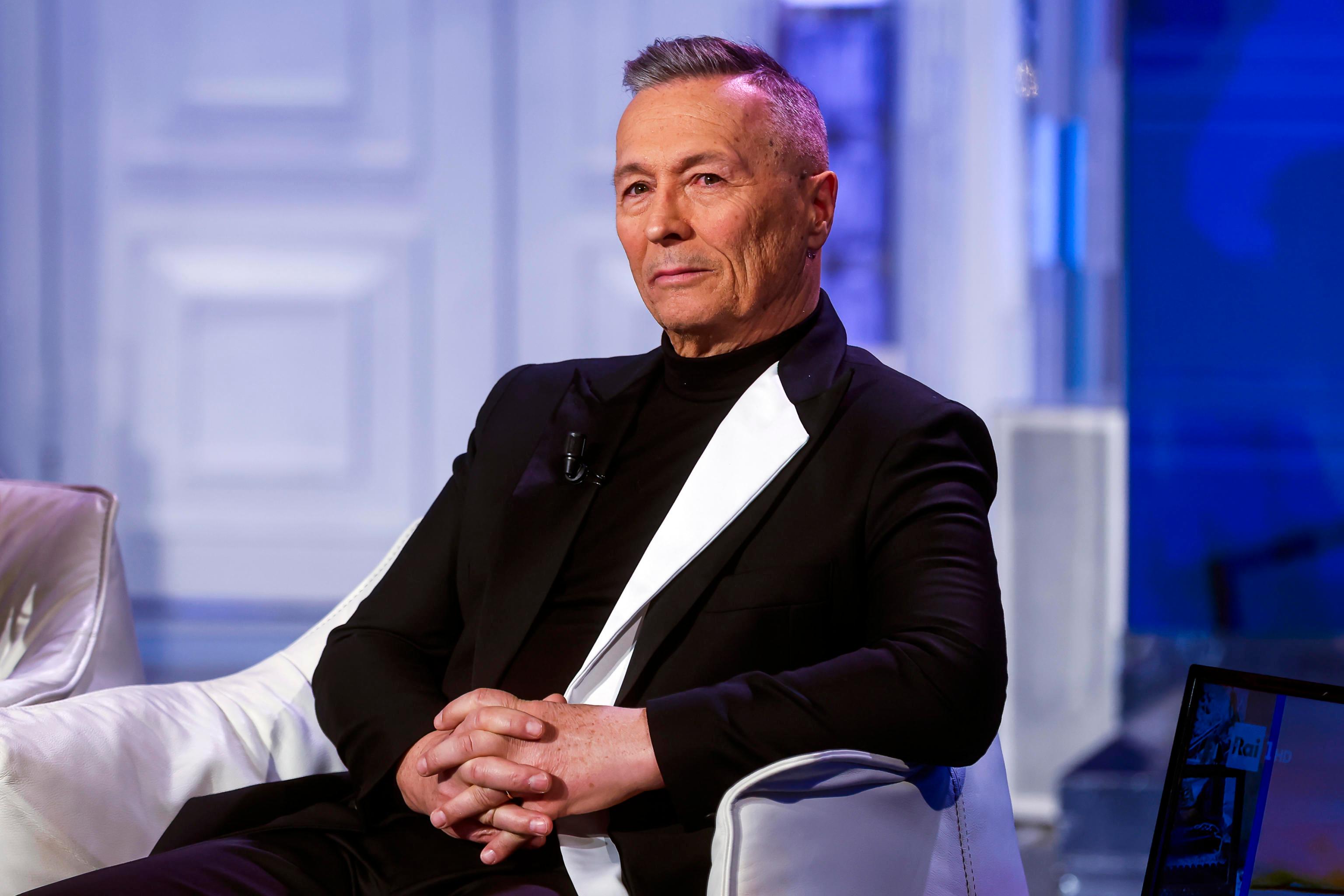
Lo scorso 13 luglio Paolo Belli era in bicicletta tra Correggio e Campagnola, in provincia di Reggio Emilia, per la sua solita sgambata, quando ha investito un uomo di 41 anni di nome Alessandro Mignani che, trasportato in ospedale, dopo 1 giorno in terapia intensiva, è deceduto.
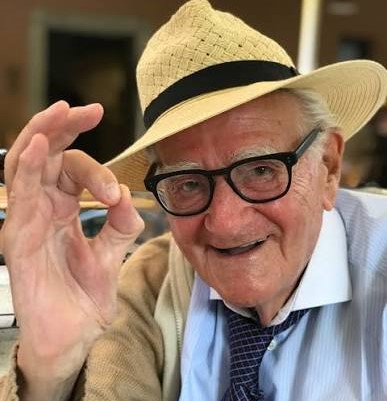
L'11 luglio Teddy Reno ha compiuto 100 anni! E' il primo cantante italiano a raggiungere questo traguardo.
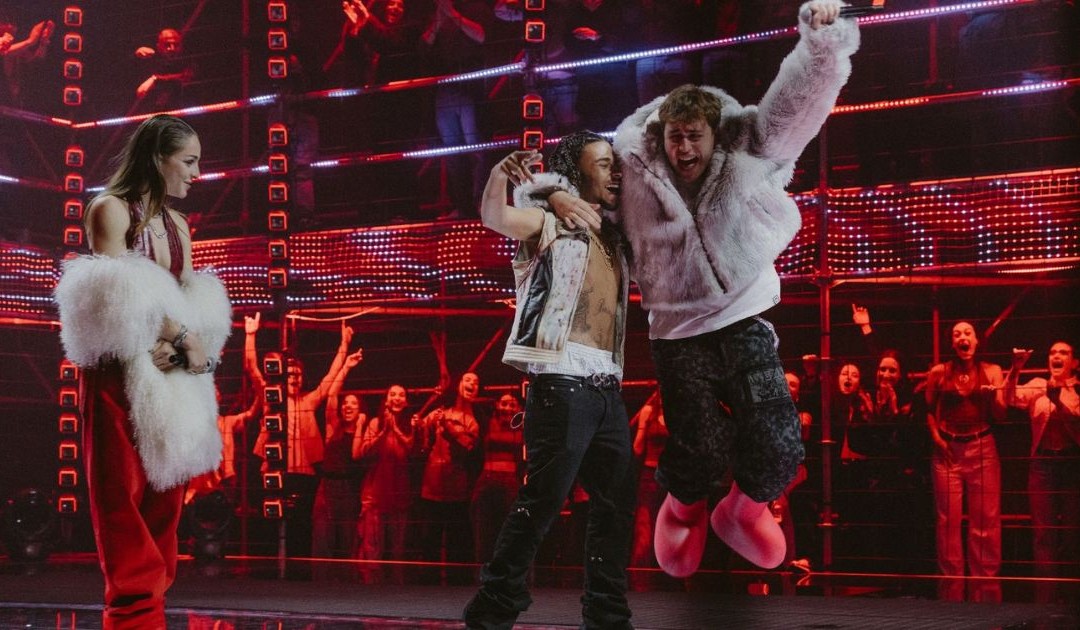
Nella terza edizione di "Nuova Scena", talent dedicato al mondo rap in onda su Netflix, si sono aggiudicati la vittoria i cosentini Flextony e Tigerplug.
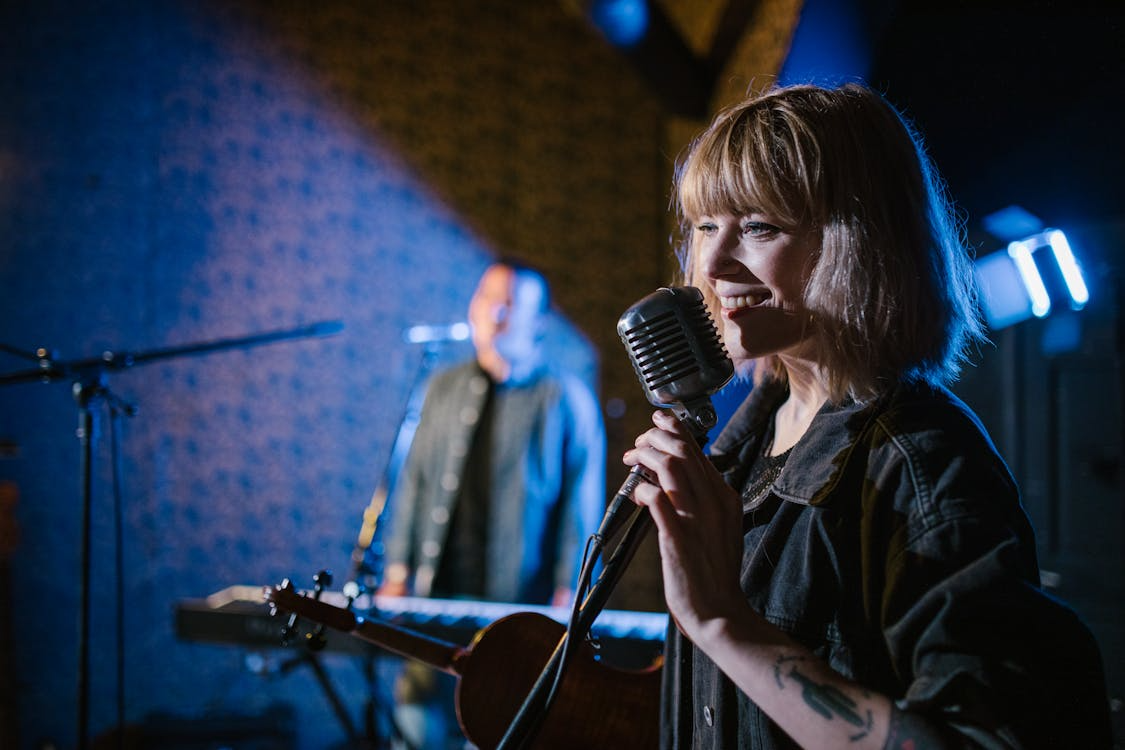
La radio è morta? No. Ma non è più il cancello d'ingresso. Negli ultimi anni qualcosa è cambiato ? radicalmente. Canzoni sconosciute esplodono in pochi giorni. Artisti senza contratto discografico raccolgono milioni di stream. E le radio? Arrivano dopo, non prima. Il pubblico ha preso il controllo. Il potere dei video brevi: 15 secondi che cambiano tutto TikTok ha trasformato le regole del gioco musicale. Una melodia che dura meno di venti secondi può diventare il suono di un'intera estate. Nel 2023, oltre il 70% delle canzoni entrate nella Billboard Hot 100 aveva avuto un'origine virale su piattaforme social prima di ricevere attenzione radiofonica.
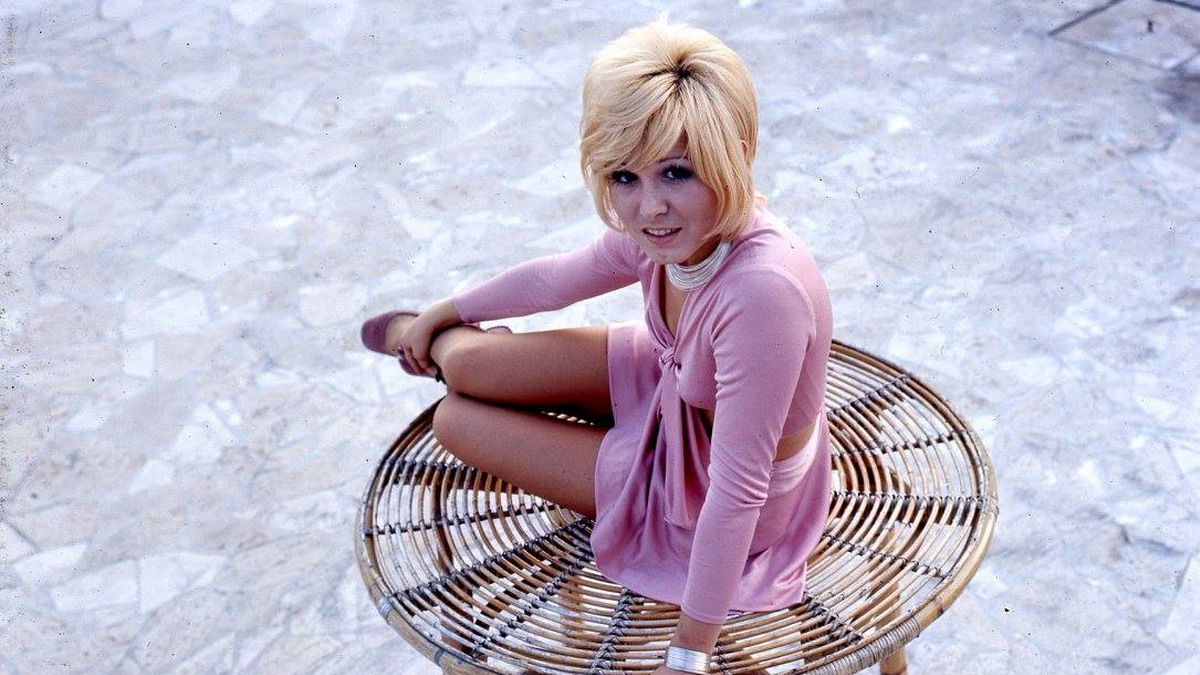
Il 28 aprile 1986 la cantante Graziella Franchini, in arte Lolita, veniva ritrovata esanime e sfigurata nella camera del residence di Lamezia Terme in cui viveva ormai da un pò di tempo. L'omicidio è rimasto privo di colpevoli.
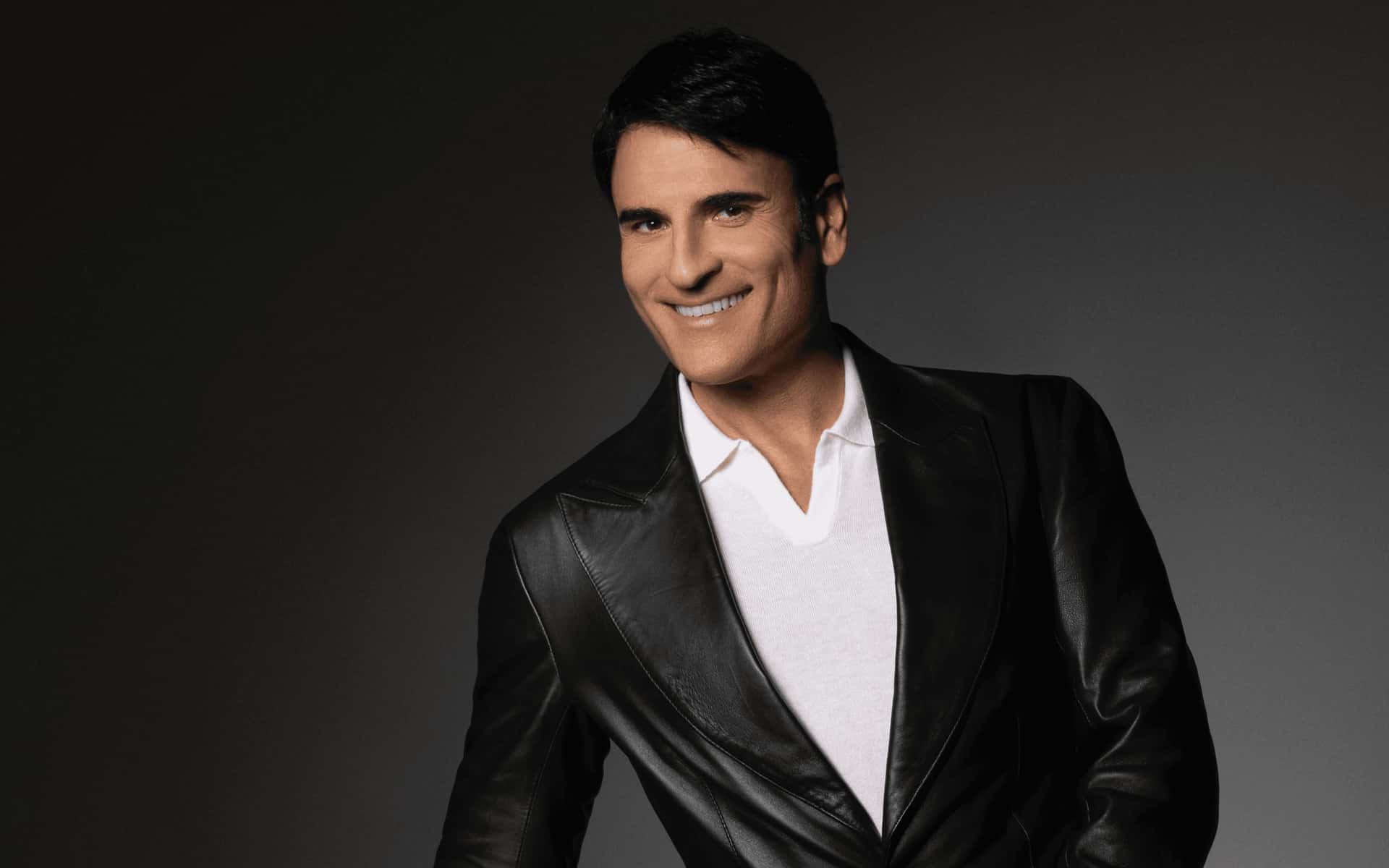
Da qualche parte nel mondo i Blue si sono riuniti davanti a uno schermo per vedere l'esibizione di Sal Da Vinci che canta "Per Sempre Si".

 The Go-Go's
 Hieroglyphics
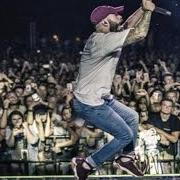 Jon Bellion
 Red Wanting Blue
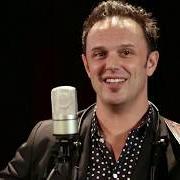 Mark Erelli
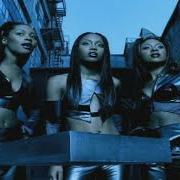 Blaque
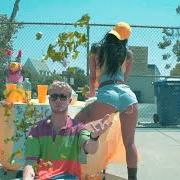 Yung Gravy
 Disgorge (USA)
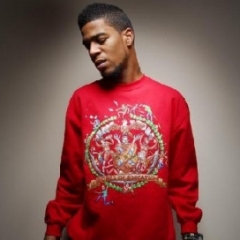 Kid Cudi
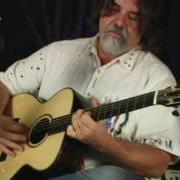 Darrell Scott
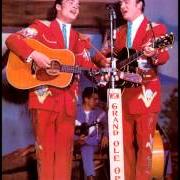 The Wilburn Brothers
 Jenna Rose