





As I went doon to Strichen toon,
I heard a fair maid mourning,
And she was making sair complaint
For her true love ne'er returning.
So fare ye weel, ye Mormond Braes,
Where often I've been cheery;
Fare ye weel ye Mormond Braes,
For it's there I lost my dearie.
There's many a horse has snappert an' fa'en
And risen again fu' rarely.
There's many a lass has lost her lad
And gotten another right early.
So fare ye weel, ye Mormond Braes,
Where often I've been cheery;
Fare ye weel ye Mormond Braes,
For it's there I lost my dearie.
There's as good fish into the sea
As ever hae been taken.
I'll cast my line and I'll try again
For I'm only ainst forsaken.
So fare ye weel, ye Mormond Braes,
Where often I've been cheery;
Fare ye weel ye Mormond Braes,
For it's there I lost my dearie.
So I'll go doon to Strichen toon,
Where I was bred and born in,
And there I'll find another sweetheart
Will marry me in the mornin'
So fare ye weel, ye Mormond Braes,
Where often I've been cheery;
Fare ye weel ye Mormond Braes,
For it's there I lost my dearie.
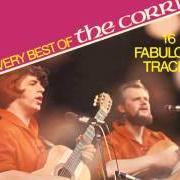
The Corries sono stati un gruppo folk scozzese emersi dal revival folk scozzese degli inizi degli anni '60. Sebbene il gruppo fosse un trio nei primi giorni, è come la partnership di Roy Williamson e Ronnie Browne che è più noto. Williamson, cantante e chitarrista, proveniva da una famiglia musicale e aveva già esperienza nel canto tradizionale scozzese prima di formare The Corries. Browne, musicista versatile, si occupava principalmente di fiddle, mandolino e banjo. Il loro stile musicale era caratterizzato da arrangiamenti originali di canzoni tradizionali scozzesi, spesso con un tocco moderno. Tra i brani più famosi di The Corries ci sono "Flower of Scotland", diventato l'inno nazionale non ufficiale della Scozia, e "The Laird o'Cockpen". Il gruppo ha avuto un grande successo negli anni '60 e '70, pubblicando numerosi album e partecipando a festival musicali in tutto il mondo. La loro musica ha contribuito a diffondere la cultura scozzese e le tradizioni folk a livello internazionale.

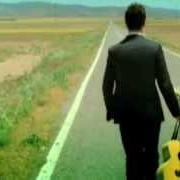 Darius Danesh
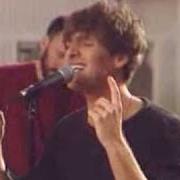 Paolo Nutini
 The Cinematics
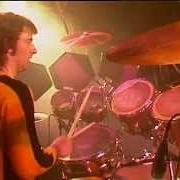 Pallas
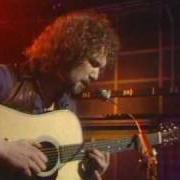 John Martyn
 Mogwai
 Alestorm
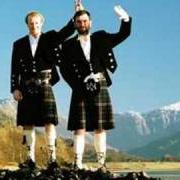 Arab Strap
 Bay City Rollers
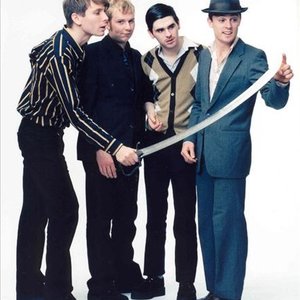 Franz Ferdinand
 Belle & Sebastian
 Dan Mccafferty