







His mother always let him stay up late on Fridays. They would lie in her room together watching TV. Sometimes she fell asleep before he did and he'd be watching a talk show - one person talking, then another, then all this laughter coming from nowhere. Next thing he knew she would be shaking hime gently. 'Wake up little one, wake up'. Saturday morning. So he'd get up, dress himself, put his shoes on and leave the house without breakfast. Breakfast always came later in other people's houses.
They had to catch two buses to reach their destination and the trip seemed to take forever unless he fell asleep along the way. When they got off at their stop they were in a bigger, brighter neighbourhood. The houses were a long was back from the street and some of them were hidden from view by big hedges. Looking down the street was like looking through the wrong end of a telescope. His mother guided him through this country. She knew exactly where to go. She carried in her bag a big, heavy ring full of keys - all keys to other people's houses.
She would turn one of the keys in the lock. Some of the doors needed two keys. Then presto, they were in. The houses had so many things in them yet still so much space. He like to rub his feet quickly on the thick pile then touch a door knob with one finger and give himself a small electric shock. In the first house they always went straight to the refrigerator. There were things in there he couldn't imagine anyone ever eating - strange looking pastes in jars and horrible concoctions in plastic. His mother would sit him down with a jam sandwich and a glass of milk, then set to work cleaning other people's houses.
And so they would go all day long from one house to another, his mother scrubbing, mopping, vacuuming, cleaning, tidying up, leaving him to his own devices. Often if no-one was home, she would play music on the stereo. There was one record she always put on and sang along to. It had two men and two women on the cover and they all looked sort of blonde except for one of the women had dark hair. The stereo flickered like the controls of a spaceship. Other houses were full of books and sometimes he was allowed to take one of the books down from the shelves and open it up. There were books on war and cricket and movie stars. He liked to look at the pictures and pick out big words that he knew. He was very careful with the books. He was very careful with everything in other people's houses.
Many of the houses had other children in them. They would rush right past him into the yard. He'd follow them out back where the backyard was as big as the house, sometimes even bigger. He'd play with them for a while then sit on the steps watching them. He felt slower than the others. There was a girl about his age who lived in a house they went to every second Saturday. Her name was Stephanie. She used to take him everywhere with her, wherever she went, all around the house, even into her room. He'd never see his mother until it was time to leave. One Saturday his mother told him Stephanie and her family had moved away. Just like that. He still thinks of her now, twenty years later, moving, laughing, sitting down to dinner, making conversation, making love in other people's houses.
Paul Kelly è un musicista australiano noto per la sua versatilità e il suo contributo alla scena musicale folk-rock del paese. Nato nel 1955, ha iniziato la sua carriera negli anni '70 con la band The Coloured Girls, guadagnandosi presto una reputazione come cantastorie di talento. Nel corso degli anni '80, Kelly ha collaborato con artisti come Neil Finn e Mick Harvey, ampliando il suo pubblico e consolidando la sua posizione nel panorama musicale australiano. È considerato uno dei più grandi cantautori australiani di tutti i tempi, noto per le sue canzoni introspettive e poetiche che esplorano temi sociali e personali. Alcuni dei suoi brani più rappresentativi includono "From St Kilda to the River Yarra", "Leavin' Victoria" e "How to Make Gravy".

Dopo il grande riscontro nei liv del periodo primavera estate 2026, i Bluvertigo sono pronti per il nuovo album, con una notevole quantità di brani già pronti.
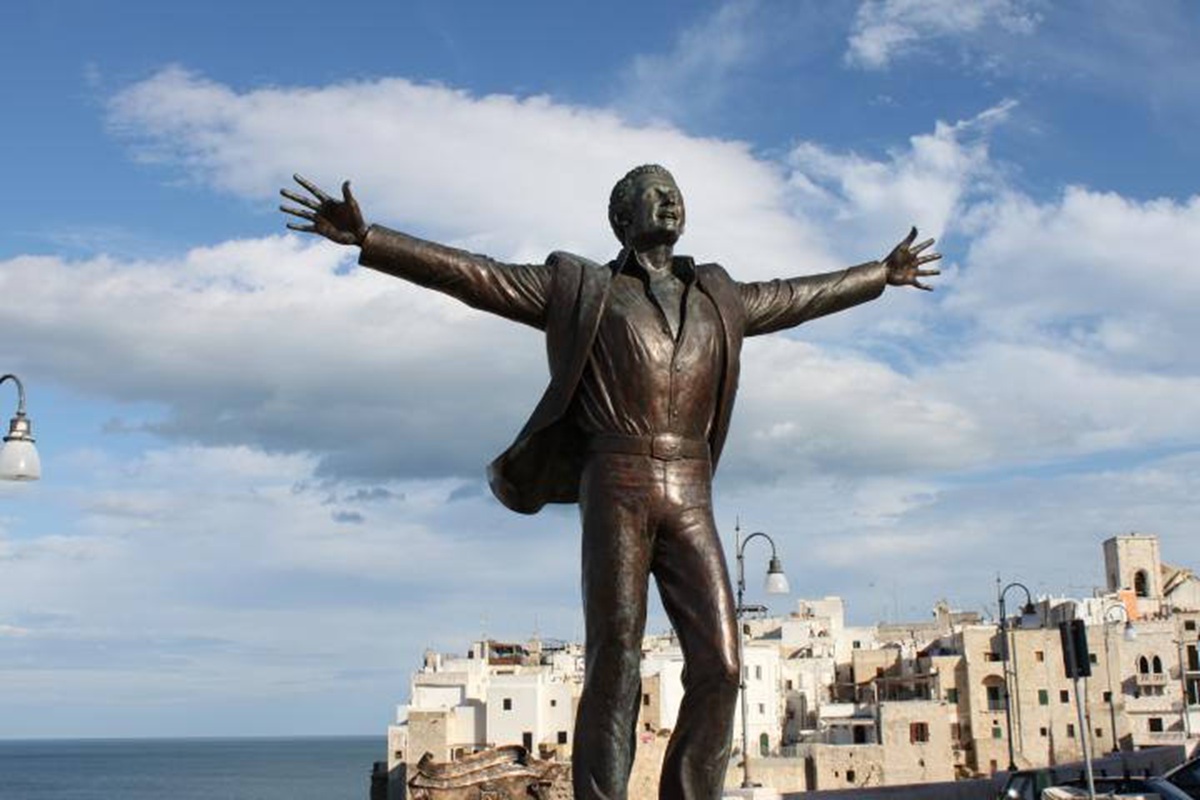
Volare è una delle aspirazioni più antiche dell'essere umano. Prima ancora che la tecnologia rendesse possibile attraversare il cielo, il volo rappresentava già la libertà, il superamento dei limiti e la possibilità di osservare il mondo da una prospettiva diversa. Nel corso dei secoli, questo desiderio ha trovato spazio nei miti, nella letteratura, nel cinema, nei giochi e, soprattutto, nella musica. Dal mito greco di Icaro ai disegni delle macchine volanti di Leonardo da Vinci, l'uomo ha sempre provato a trasformare il cielo in un luogo da raggiungere. Il volo, però, non è soltanto un movimento fisico: è anche una potente metafora della fantasia, dell'amore, del successo e della fuga dalla quotidianità.
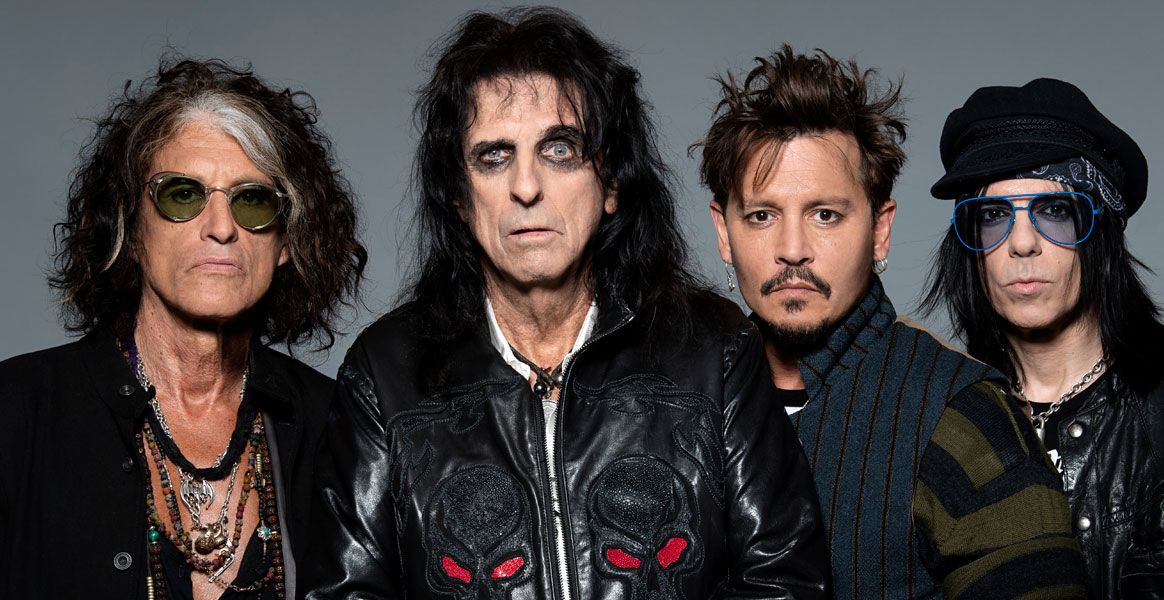
Il supergruppo di Alice Cooper e Johnny Depp è pronto a tornare in Italia con 2 date nel mese di settembre.
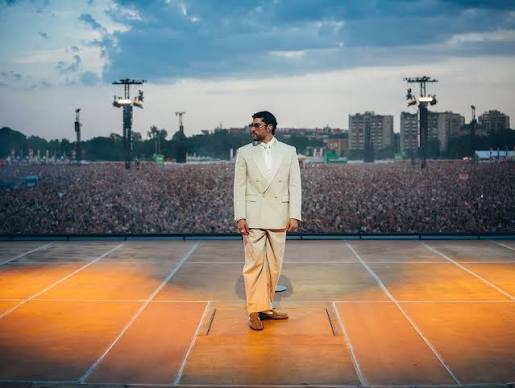
"Era uno dei concerti migliori della mia vita". Bad Bunny è tornato a parlare dell'evento tenuto sabato scorso all'Ippodromo La Maura nella zona San Siro di Milano. E la grandine riapre il problema sicurezza dell'impianto.

Noemi dovrà osservare 4 settimane di riposo dopo la caduta, ma dal 16 agosto sarà un tour de force per recuperare i live rinviati. Ecco tutte le date fino a settembre.

Lo scorso 13 luglio Paolo Belli era in bicicletta tra Correggio e Campagnola, in provincia di Reggio Emilia, per la sua solita sgambata, quando ha investito un uomo di 41 anni di nome Alessandro Mignani che, trasportato in ospedale, dopo 1 giorno in terapia intensiva, è deceduto.
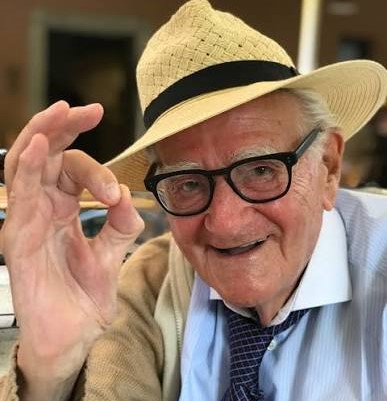
L'11 luglio Teddy Reno ha compiuto 100 anni! E' il primo cantante italiano a raggiungere questo traguardo.

Nella terza edizione di "Nuova Scena", talent dedicato al mondo rap in onda su Netflix, si sono aggiudicati la vittoria i cosentini Flextony e Tigerplug.

La radio è morta? No. Ma non è più il cancello d'ingresso. Negli ultimi anni qualcosa è cambiato ? radicalmente. Canzoni sconosciute esplodono in pochi giorni. Artisti senza contratto discografico raccolgono milioni di stream. E le radio? Arrivano dopo, non prima. Il pubblico ha preso il controllo. Il potere dei video brevi: 15 secondi che cambiano tutto TikTok ha trasformato le regole del gioco musicale. Una melodia che dura meno di venti secondi può diventare il suono di un'intera estate. Nel 2023, oltre il 70% delle canzoni entrate nella Billboard Hot 100 aveva avuto un'origine virale su piattaforme social prima di ricevere attenzione radiofonica.

 Zdob Si Zdub
 George Baker
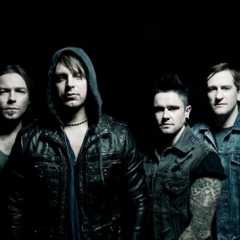 Bullet For My Valentine
 Phixx
Phixx
 Acoustic Ladyland
 Robyn Hitchcock
 Made In London
 Default
 Moev
Moev
 Hurriganes
 Demon
Demon
 Larrikin Love