






The fence is long and high where we love
You can't see the other side where they live
I've spied with my little eye
And I've sighed with my little sigh
But it seems I've given all that I can give
Every hour I have to count to ten
And a thousand times I've thought again
But it seems I've given all that I can give
Is there anyone there
Here is the fence that they built
{over there}
This is the fence that hate built
Is anyone there
{over there}
This is the fence that turns one into two
I want to break through but I'm though if I do
I've tried with my little try
And I've cried with my little cry
But it seems that the gate holds the only clue
Every hour I have to count to ten
And a thousand times I've though again
But it seems I've given all that I can give
Is there anyone there
Here is the fence that they built
{over there}
This is the fence that hate built
Is anyone there
{over there}
[brilliant solo from "stan the man"]
Every hour I have to count to ten
And a thousand times I've thought again
Is there anyone there
Here is the fence that they built
{over there}
This is the fence that hate built
Is anyone there
{over there}
Is there anyone there
Here is the fence that they built
{over there}
This is the fence that hate built
Is anyone there
{over there}
But it seems I've give all that I can give
Is there anyone there
Here is the fence that they built
{over there}
This is the fence that hate built
Is anyone there
{over there}
The Housemartins sono stati un gruppo musicale inglese attivo durante gli anni ottanta. Originari di Hull, in Inghilterra, il loro sound era un mix originale di pop con influenze gospel, soul, folk, doo-wop e Merseybeat. Le armonie vocali impeccabili e l'eleganza musicale si contrapponevano a testi spesso pungenti e ironici che affrontavano temi sociali e politici. Il gruppo raggiunse il successo durante la seconda metà degli anni '80, conquistando un seguito di critica e pubblico sia nel Regno Unito che all'estero. Tra i loro brani più famosi figurano "Caravan of Love", una cover a cappella del 1986 diventata un grande successo internazionale, e "Happy Hour". Dopo aver pubblicato due album, si sciolsero nel 1988 all'apice della popolarità. Il leader del gruppo, Paul Heaton, ha continuato la sua carriera musicale con i Beautiful South.
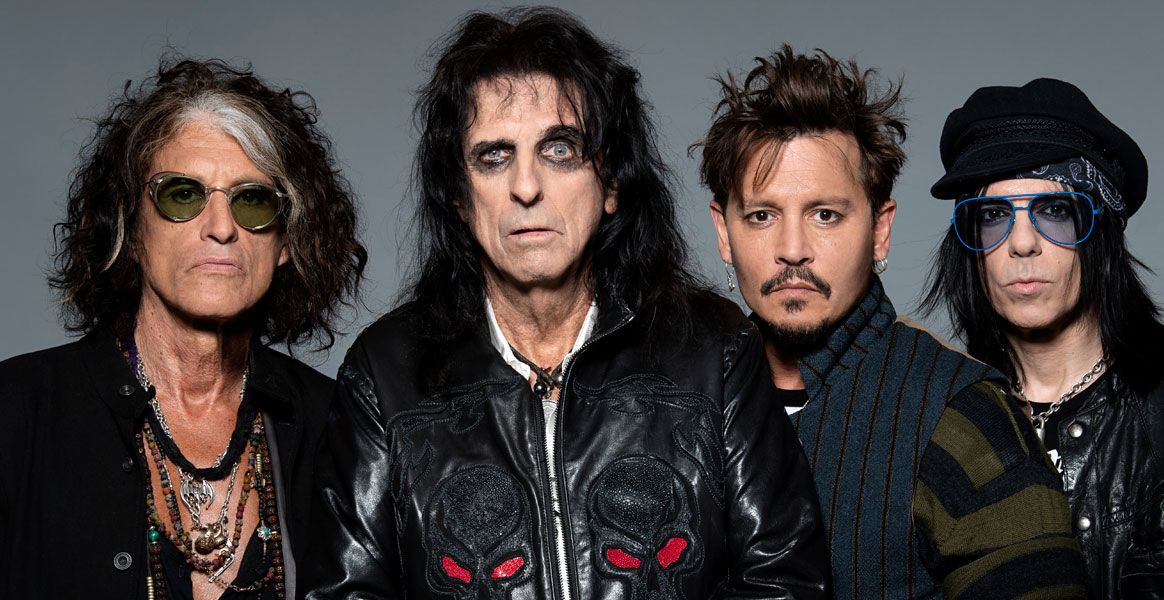
Il supergruppo di Alice Cooper e Johnny Depp è pronto a tornare in Italia con 2 date nel mese di settembre.
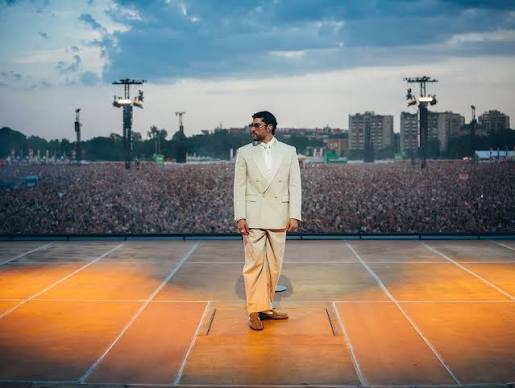
"Era uno dei concerti migliori della mia vita". Bad Bunny è tornato a parlare dell'evento tenuto sabato scorso all'Ippodromo La Maura nella zona San Siro di Milano. E la grandine riapre il problema sicurezza dell'impianto.

Noemi dovrà osservare 4 settimane di riposo dopo la caduta, ma dal 16 agosto sarà un tour de force per recuperare i live rinviati. Ecco tutte le date fino a settembre.

Lo scorso 13 luglio Paolo Belli era in bicicletta tra Correggio e Campagnola, in provincia di Reggio Emilia, per la sua solita sgambata, quando ha investito un uomo di 41 anni di nome Alessandro Mignani che, trasportato in ospedale, dopo 1 giorno in terapia intensiva, è deceduto.
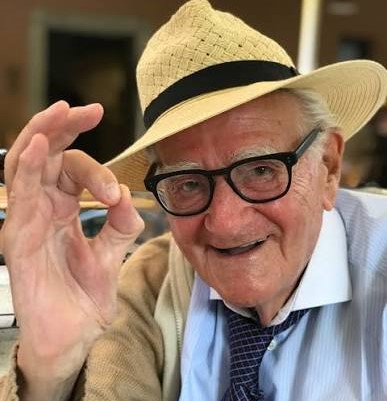
L'11 luglio Teddy Reno ha compiuto 100 anni! E' il primo cantante italiano a raggiungere questo traguardo.

Nella terza edizione di "Nuova Scena", talent dedicato al mondo rap in onda su Netflix, si sono aggiudicati la vittoria i cosentini Flextony e Tigerplug.
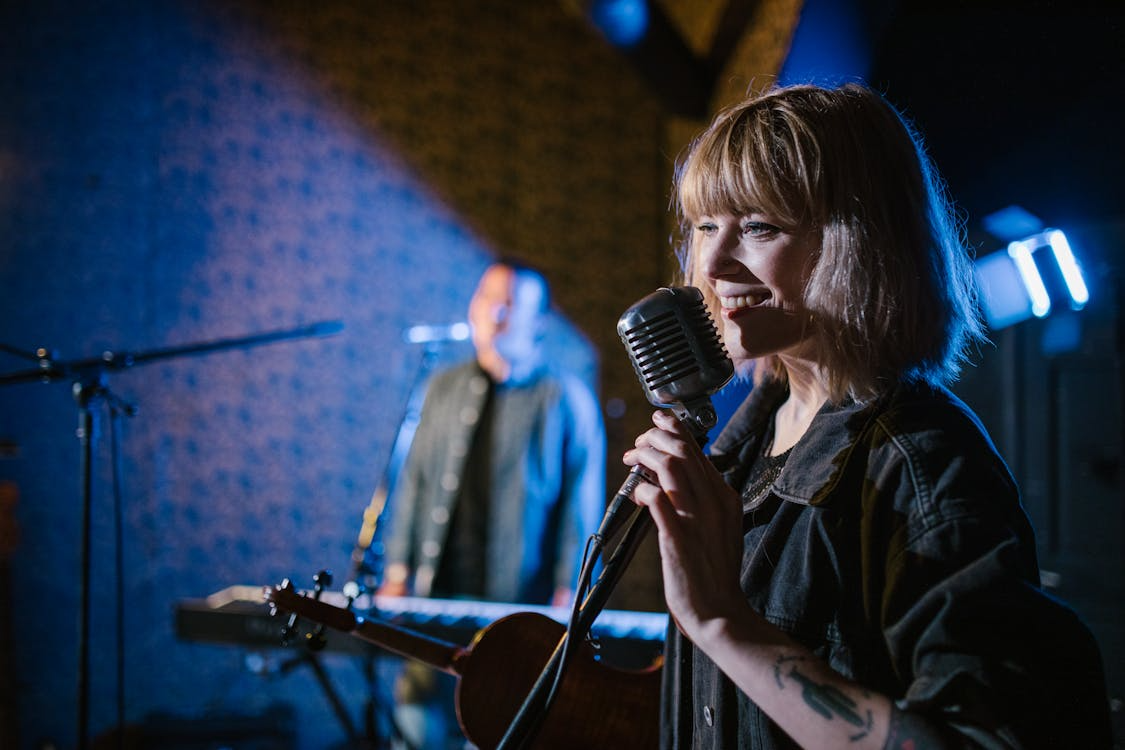
La radio è morta? No. Ma non è più il cancello d'ingresso. Negli ultimi anni qualcosa è cambiato ? radicalmente. Canzoni sconosciute esplodono in pochi giorni. Artisti senza contratto discografico raccolgono milioni di stream. E le radio? Arrivano dopo, non prima. Il pubblico ha preso il controllo. Il potere dei video brevi: 15 secondi che cambiano tutto TikTok ha trasformato le regole del gioco musicale. Una melodia che dura meno di venti secondi può diventare il suono di un'intera estate. Nel 2023, oltre il 70% delle canzoni entrate nella Billboard Hot 100 aveva avuto un'origine virale su piattaforme social prima di ricevere attenzione radiofonica.
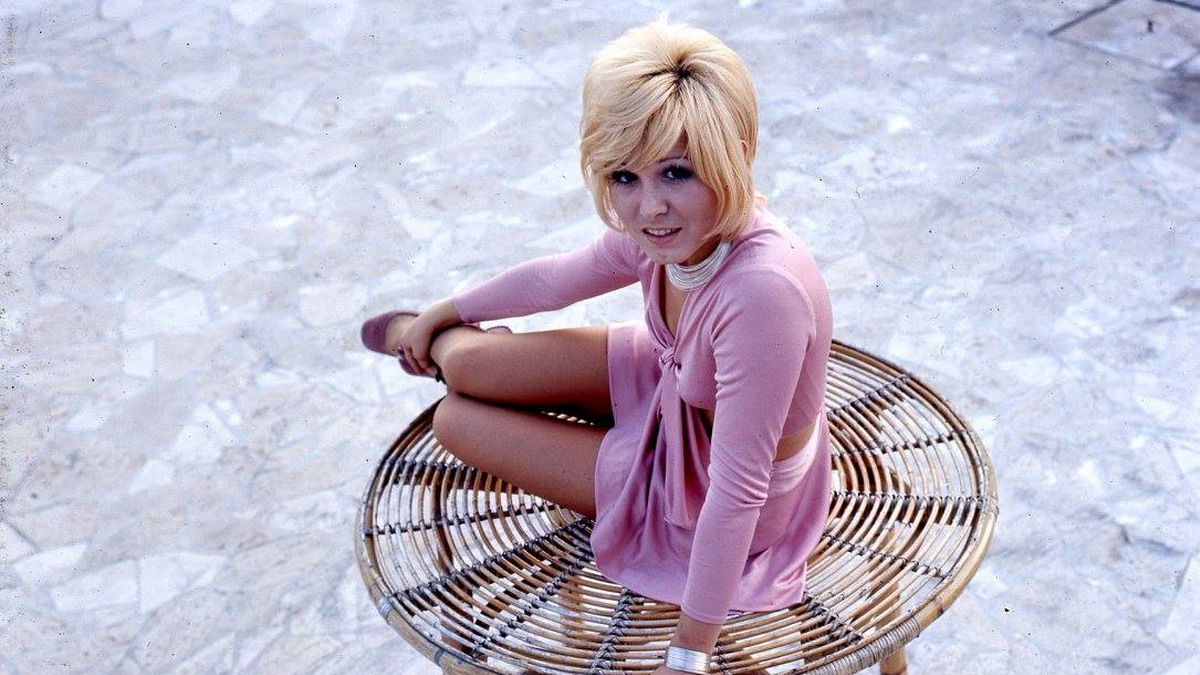
Il 28 aprile 1986 la cantante Graziella Franchini, in arte Lolita, veniva ritrovata esanime e sfigurata nella camera del residence di Lamezia Terme in cui viveva ormai da un pò di tempo. L'omicidio è rimasto privo di colpevoli.
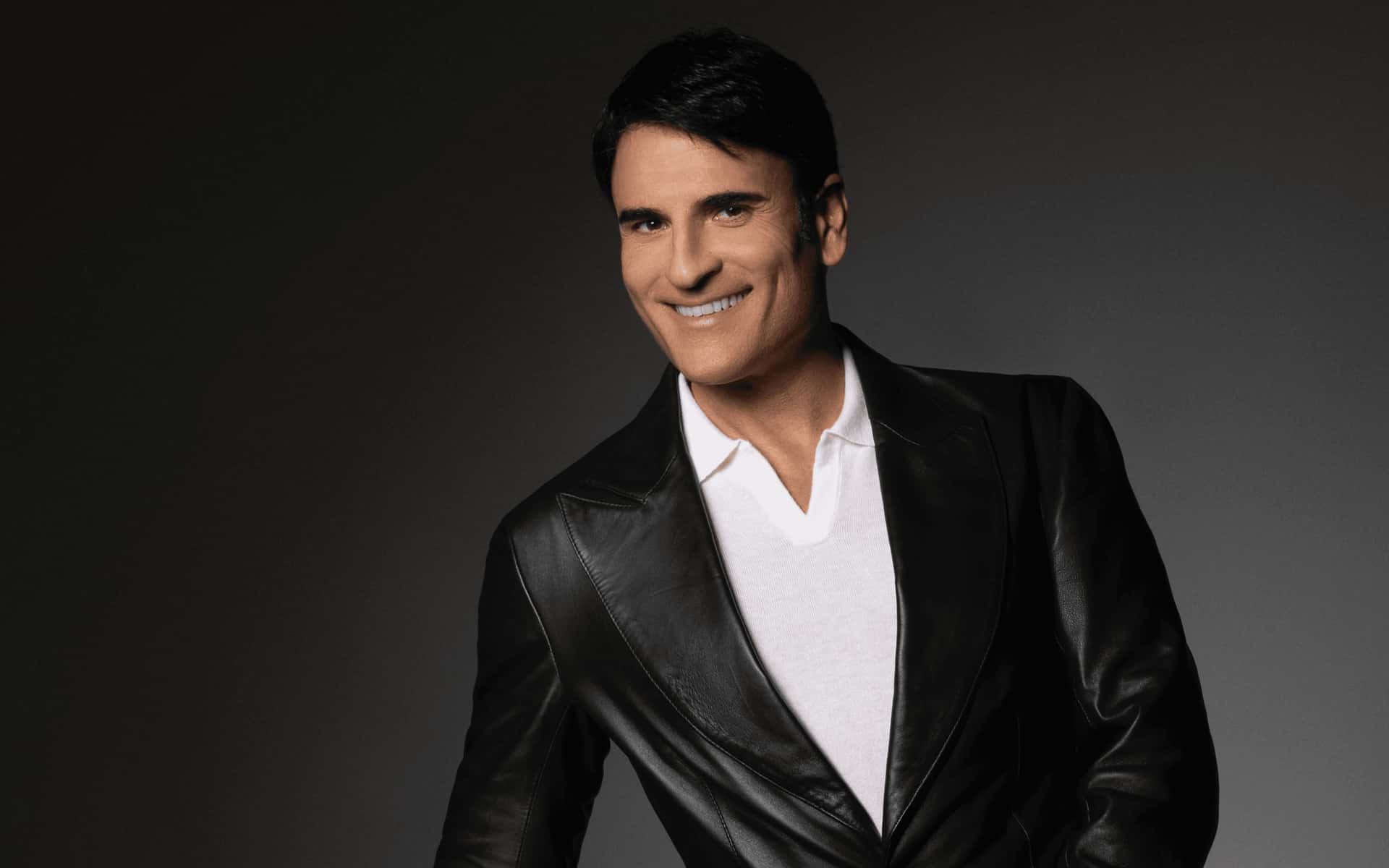
Da qualche parte nel mondo i Blue si sono riuniti davanti a uno schermo per vedere l'esibizione di Sal Da Vinci che canta "Per Sempre Si".