



Power to the people!
Power to the people!
Power to the people!
Power to the people!
Power to the people!
Power to the people!
Power to the people!
Power to the people, right on!
Say we want a revolution,
Wed better get it on right away.
Well, get yer on your feet
And into the street, singing:
Power to the people!
Power to the people!
Power to the people!
Power to the people, right on!
A million workers workin for nothin,
You better give em what they really own.
We got to put you down
When we come into town, singing:
Power to the people!
Power to the people!
Power to the people!
Power to the people, right on!
I gotta ask you comrades and brothers,
How do you treat your own woman back home?
Shes got to be herself,
So she can give us help, singing:
Power to the people!
Power to the people!
Power to the people!
Power to the people, right on!
Now, now, now, now!
Oh well, power to the people!
Power to the people!
Power to the people!
Power to the people, right on!
Oh yeah, power to the people!
Power to the people!
Power to the people!
Power to the people, right on!
Yeah, yeah, yeah, power to the people!
Power to the people!
Oh well, power to the people!
Power to the people, right on!
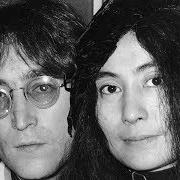
Yoko Ono (Tokio, 18 febbraio 1933) è una cantautrice, artista visiva e attivista giapponese naturalizzata statunitense. Considerata una figura iconica del movimento artistico sperimentale degli anni '60, Ono ha collaborato con John Lennon in un'intensa attività artistica e musicale che ha influenzato profondamente la cultura popolare. Œuvre di Ono spaziano dalla musica (con album come "Plastic Ono Band" e "Fly", spesso caratterizzati da performance sonore sperimentali) all'arte concettuale, alla scultura e al cinema. Tra i suoi brani più noti figurano "Give Peace a Chance", "Imagine" (in collaborazione con Lennon), e "Walking on Thin Ice". La sua attività artistica è stata spesso controversa, ma ha contribuito a rivoluzionare il concetto di arte contemporanea.

 Aaa
 Glay
 Band Maid
 Little By Little
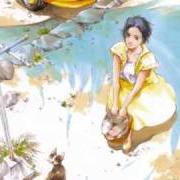 Maaya Sakamoto
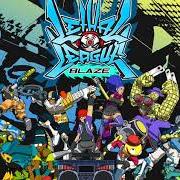 Hideki Naganuma
 Miyavi
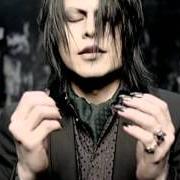 Buck-Tick
 Greeeen
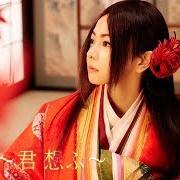 Mai Kuraki
 Orikasa Ai
 Sug