









I don't know what you're waiting for - Mary is out the door.
Why would I lie? Why would I lie?
Through the dust and the fading light shall I tell you what I spy?
Mississippi-Southern owns the train but I know it's got another name.
Why would I lie? Why would I lie?
It's a race to the edge of the night.
Hmmm, Great Sorrow's got you in its lights.
Run, run! Try to catch the sun.
Don't be slack - Great Sorrow is on the tracks.
Run, run! Try to catch the sun.
Don't look back - Great Sorrow is on the track.
I don't know what you're waiting for - Mary is out the door.
Why would I lie? Why would I lie?
When it calls from the edge of the night shall I tell you what I spy?
Run, run! Try to catch the sun.
Don't be slack - Great Sorrow is on the track.
Run, run! Try to catch the sun.
Don't look back - Great Sorrow is on your track.
I don't know what you call that train - Gone, buddy, that's the name.
Gone.
Gone.
Gone.
Pere Ubu è un gruppo musicale statunitense formatosi a Cleveland, Ohio, nel 1975. Fondato da David Thomas (voce) e Peter Laughner (chitarra), il gruppo ha subito una serie di cambiamenti nella formazione originale che includeva anche Allen Ravenstine, Scott Krauss (batteria) e Tony Maimone (basso). Laughner lasciò il gruppo nel 1976 per essere sostituito da Tom Herman. Pere Ubu è noto per un sound sperimentale e provocatorio che fonde elementi di rock, punk, avant-garde e noise. La loro musica è caratterizzata da testi oscuri e surreali, spesso ispirati alla cultura pop americana e al cinema exploitation. Tra i brani più rappresentativi si ricordano "Street Waves", "Final Solution" e "Non-Alignment Pact". L'album di debutto, "The Modern Dance", uscito nel 1978, è considerato un classico del post-punk. Pere Ubu ha continuato a registrare e esibirsi fino ad oggi, mantenendo una fedele base di fan grazie alla loro musica innovativa e al carisma di David Thomas.

 The Crystals
 The Postal Service
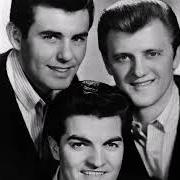 The Lettermen
 Defari
 Chloe Kohanski
 Rie Sinclair
 Poison The Well
 Rushlow
 Erika Jo
 Caitlin Canty
 Børns
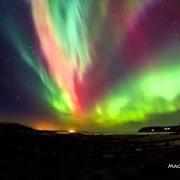 Aurora Borealis