





Eien ni tsudzuku michi
Tooku hateshinaku
Atarashii kaze kanji nagara
Kyou mo aruite
Hikari sae miushinatte
Samayotta to shitemo
Aseranai de tatakaeru
Kimi dake no tameni
Arifurete kotoba ga ii
Kikasete hoshii
Say the word, and lead me there for you
Arinomama arukesou
Say the word, and it's my dreams come true
Kagirinaku dokomademo
Here together now,...and everlasting
Koko kara subete ga
Mirai he to oto tatezuni
Ugoki hajimeteru yo
Samishisa ya setsunasa mo
Subete dakishimeru
Say the word, and lead me there for you
Issho nara kitto
Say the word, and it's my dreams come true
Motome au dake de ii
Sure chigai kizutsuitemo
Futari dake no basho wa aru kara
Onaji hikari abitai
Say the word, and lead me there for you
Arinomama arukesou
Say the word, and it's my dreams come true
Kagirinaku dokomademo
Say the word, and lead me there for you
Issho nara kitto
Say the word, and it's my dreams come true
Motome au dake de ii
Say the word, and lead me there for you
The road aheads of us goes on
Say the word, and it's my dreams come true
I'm just waiting for you to say the word
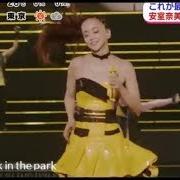
Namie Amuro è una cantante, ballerina e attrice giapponese, considerata un'icona della musica pop in Giappone e in Asia. Nata a Okinawa nel 1977, ha debuttato come membro del gruppo idol Super Monkey's all'età di 14 anni. Nel 1995, ha intrapreso la carriera solista con il singolo "Don't wanna cry", che divenne un successo immediato e la consacrò come una delle artiste più popolari del Giappone. Amuro è nota per la sua versatilità musicale, passando da stili pop dance a R and B, hip-hop e elettronica, sempre mantenendo un'immagine moderna e accattivante. La sua influenza sulla cultura giapponese è stata profonda, paragonata a quella di artisti come Janet Jackson e Madonna. Tra i suoi brani più rappresentativi ricordiamo "Can You Celebrate?", "Body Feels EXIT" e "Fighter". Nel 2018 ha annunciato il suo ritiro dalle scene musicali dopo una carriera di oltre due decenni, lasciando un'eredità indelebile nel panorama musicale giapponese.

 Joker
 Chino
 Ina
 Feel So Bad
 Tokio
 Bump Of Chicken
 Alice Nine
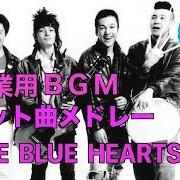 The Blue Hearts
 Two-Mix
 Teriyaki Boyz
 Phantasmagoria
 Joe Rinoie