




Translator's introduction:
shiritori is a japanese game. the first player says a word, the second player must say a word beginning with the last character (syllable) of the first player's word, the third player must say a word beginning with the last character of the second player's word... and so on. the players are not supposed to say the same word twice.
this track consists of two shiritori matches: the first one features maki-chan and the two kids from ugo-ugo lhuga. the second one features other characters from the programme.
ugo-ugo lhuga was a programme for kids, now discontinued. it had a cutting edge quality to it that assured it became a legend among kids and adults who watched it. it often featured very surrealistic sketches. some of the crazyness of the programme was immortalised in this pizzicato album, especially this track, shiritori shimasho.
(Editor's Note: Although theoretically for kids, the show's title is the phrase Go-Go-u Ga--Ru pronounced backwards, a go go girl being slang for the kind of party-all-night young lady so often sung about in P5 songs. This was a hint that the show was also aimed at the hip young party-goer returning home at the break of dawn, having just caught the first train out of Tokyo. The animated title sequence, indeed, featured a Godzilla-size party girl rampaging through the streets, only to be felled by three young boy superheroes. Other signs of the show's hipness: background posters featuring such bands as Big Drill Car, and others.)
it was very difficult to translate this track because a lot of the humour and irony of the original just wouldn't work in english. after i had finished the translation and re-read it, i realised it sort of reminded me of the tea party with the mad hatter from alice in wonderland (and i certainly used much of its language as a model for the translation, unconsciously) -- all those people playing this game in a completely subversive manner, going really crazy about it, but acting as if everything had strict rules which should be properly observed. the dialogue is absurd, but everybody is so serious about what they are doing one forgets they are not actually making any sense.
my favourite line is 'oyamada keigo? otona? hito?'
hope you like it
maki: namae wa?
ugo-ugo: ugo-ugo desu
m: namae wa?
lhuga: lhuga desu
m: ja ugo-ugo-kun
lhuga-chan
shiritori demo
shimasho ka?
u: ii yo
l: ii yo
m: ja
watashi kara...
saru!
u: roulette
(ruuretto)
l: to? tomato
m: to? togarashi
u: shika
l: kame
m: megane
u: nezumi
l: mi? mimizu
m: zu? mmm...
su demo ii no ne? (*)
suika
u: kamome
l: medaka
m: ka. kamome.
yutta? yutta? (**)
u: yutta yutta yo!
boku ga yutta yo
m: so ka? ka... kaki.
u: kitsune
l: neko
m: ko... koinu
(muzukashii)
u: nuri-e
l: e? entotsu
m: tsuki
u: kitsutsuki
l: ki? kiji
m: jidosha
u: ya... yari (***)
l: rika
m: kagaku
u: ku... kuri
l: risu
m: suzume
u: menko
l: ko? koma
m: ma? mammoth
(manmosu)
u: su? suzume!
l: yutta!
u: mm yutte
nakatta yo ne!
l: yutta!
u: yuttene yo!
m: yutta yo ne...
u: ah ja maketchatta
l: su da yo su!
u: skunk (sukanku)
l: ku? kuma
m: ma... marimo
u: mo...
mori da yo mori
l: ri? mata ka yo
ri ri... risu
yutta yo ne
m: pass shitemo
iin da yo
l: ri... pass
m: atashi ga ri?
ri... nai yo ne ri.
u: boku wa aru
m: honto? ja pass
u: rito-kujira
-------------------------------
what's your name?
it's ugo-ugo
and yours?
it's lhuga
ok so ugo-ugo-kun
lhuga-chan
shall we play
shiritori?
ok
ok
ok so i'll start
saru!
(monkey)
ruuretto
(roulette)
to? tomato
to? togarashi (red pepper)
shika (deer)
kame (tortoise)
megane (spectacles)
nezumi (mouse)
mi? mimizu (worm)
zu? mmm...
it's ok if use su too, right? (*)
suika (watermelon)
kamome (seagull)
medaka (killifish)
ka. kamome.
oops! somebody already said that?
i did!
i did!
really? so... kaki (persimmon)
kitsune (fox)
neko (cat)
ko... koinu (puppy)
(this is so difficult)
nuri-e (colour book)
e? entotsu (chimney)
tsuki (moon)
kitsutsuki (woodpecker)
ki? kiji (pheasant)
jidosha (automobile)
ya... yari (spear)
rika (science)
kagaku (chemistry)
ku... kuri (chestnut)
risu (squirrel)
suzume (sparrow)
menko (a japanese game)
koma (horse)
ma? manmosu
(mammoth)
su? suzume!
we already said that!
we did not!
did we?
we did too!
no we did not!
i think we did...
well then i lose
come on! su!
sukanku (skunk)
ku? kuma (bear)
ma... marimo (duckweed)
mo...
mori! (forest)
ri? no, not ri again!
ri ri... we already said
risu right?
you can pass
if you don't know
ri... i pass
it's me? ri?
ri... i can't think of anything
i know one
really? ok i pass
rito-kujira (wild whale)
-------------------------
yume no kyoen
shuuru-kun
tomato-chan
terebi-kun no
otona no
shiritori desu yo!
terebi-kun ga
saisho ni
iimasu kara
tsugi wa
tomato-chan
shuuru-kun
desu kara ne
shuuru-kun,
tomato-chan:
haaai!
te: oyamada keigo
to: oyamada keigo?
otona?
te: otona desu.
to: hito?
te: hito desu.
so iu koto
janakute
shiritori desu yo.
dozo!
to: go ne?
gogo no yugure
s: kirei desu ne.
te: kirei desu ne
to: ufufufu!
s: lemon tea
(remon tii) chodai
te: o-suki nan
desu ka?
lemon tea wa?
s: so desu ne.
te: lemon tea
chodai no i no
ikuko-chan ga hai!
watashi no
shiriai nan desu.
terebi-kun no.
totemo kawaii.
to: i?
inu no
mawari-san no
koinu
s: nu
te: irun
desu ka?
to: mochiron!
s: nu?
otona no
shiritori desho?
te: otona no
shiritori
desu yo!
s: nu ne?
nureteru ne
kore wa mata
zentaiteki na
koto ne
fuinki desu ne
te: fuinki (**)
s: nureteru ne
te: otona no
shiritori
desu ne
to: nan daro!
te: ne kotchi e
kite no te
otona no shiritori
desu.
terebi-kun mo
ko iu koto
ierun desu yo
to: tomato-chan wa
tsugi? te?
tendon
tabeta
o-hiru? (***)
s: ta...
tamaru misuzu
te: ko iu meishi ga
ii no kana?
tendon tabeta
o-hiru?
s: ru? ru ne? ru...
right?
ru ru ru ru ru...
te: utatte wa ikemasen
s: dame da ne
ruby (ruubii)
te: takusan
o-kai ni natta
to iun
janai desu ka?
s: tanjoseki desu.
te: bi to bo-tsuki
de bi ne?
beads (biizu) no
tsuita
jacket (jaketo) mo
suteki
kamoshirenai
no i!
to: mata i na no?
te: otona no shiritori
desu kara
to: kimatterun janai!
inu no mawari-san no
otona
otona no shiritori!
---------------------------------
and now the dream team
shuuru-kun (*)
tomato-chan
and terebi-kun
will play
shiritori for grownups!
i will say
the first
word
and then
tomato-chan
and shuuru-kun
in this order
ok!
oyamada keigo (cornelius)
cornelius? what's that?
a grownup?
a grownup. precisely.
you mean like a person?
a person yes.
this is
beside the point.
we're trying to play
some shiritori here.
ok so go.
gogo no yugure (twilight in the afternoon)
oh that's so lovely!
really lovely.
he he he.
remon tii chodai
(could i have some lemon tea?)
i gather
you are quite fond of
of lemon tea
you could say i am yes.
chodai ends with an i
so
ikuko-chan ga hai (ikuko-chan is...)
ikuko-chan is an
acquaintance
of m
Pizzicato Five (often known simply by the initials P5) is a Japanese pop group best known to audiences in the West in their later incarnation as a duo of Maki Nomiya and Yasuharu Konishi. The group, widely credited (along with Flipper's Guitar) with spearheading the shibuya-kei movement of Tokyo in the 1990s, is known for eclectic and energetic compositions that often sound like "new" releases from the late 1960s hipster scene. The catchphrase "A New Stereophonic Sound Spectacular" captured the group's ironic stance and eager attitude. The group broke up in March 2001.

Dopo il grande riscontro nei liv del periodo primavera estate 2026, i Bluvertigo sono pronti per il nuovo album, con una notevole quantità di brani già pronti.

Volare è una delle aspirazioni più antiche dell'essere umano. Prima ancora che la tecnologia rendesse possibile attraversare il cielo, il volo rappresentava già la libertà, il superamento dei limiti e la possibilità di osservare il mondo da una prospettiva diversa. Nel corso dei secoli, questo desiderio ha trovato spazio nei miti, nella letteratura, nel cinema, nei giochi e, soprattutto, nella musica. Dal mito greco di Icaro ai disegni delle macchine volanti di Leonardo da Vinci, l'uomo ha sempre provato a trasformare il cielo in un luogo da raggiungere. Il volo, però, non è soltanto un movimento fisico: è anche una potente metafora della fantasia, dell'amore, del successo e della fuga dalla quotidianità.

Il supergruppo di Alice Cooper e Johnny Depp è pronto a tornare in Italia con 2 date nel mese di settembre.
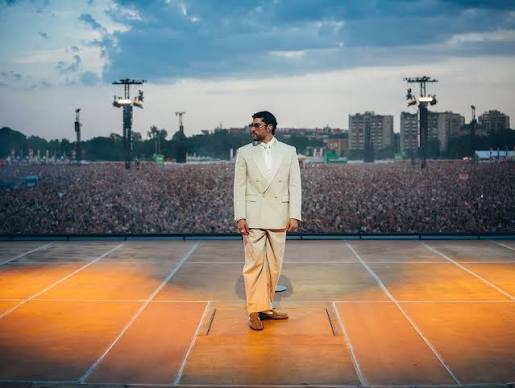
"Era uno dei concerti migliori della mia vita". Bad Bunny è tornato a parlare dell'evento tenuto sabato scorso all'Ippodromo La Maura nella zona San Siro di Milano. E la grandine riapre il problema sicurezza dell'impianto.

Noemi dovrà osservare 4 settimane di riposo dopo la caduta, ma dal 16 agosto sarà un tour de force per recuperare i live rinviati. Ecco tutte le date fino a settembre.

Lo scorso 13 luglio Paolo Belli era in bicicletta tra Correggio e Campagnola, in provincia di Reggio Emilia, per la sua solita sgambata, quando ha investito un uomo di 41 anni di nome Alessandro Mignani che, trasportato in ospedale, dopo 1 giorno in terapia intensiva, è deceduto.
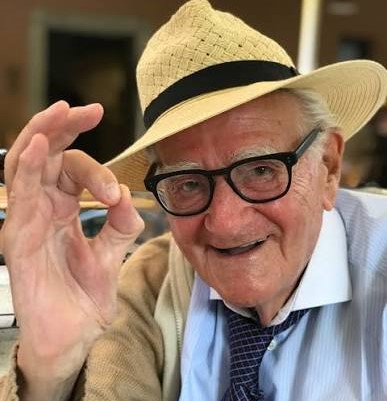
L'11 luglio Teddy Reno ha compiuto 100 anni! E' il primo cantante italiano a raggiungere questo traguardo.

Nella terza edizione di "Nuova Scena", talent dedicato al mondo rap in onda su Netflix, si sono aggiudicati la vittoria i cosentini Flextony e Tigerplug.

La radio è morta? No. Ma non è più il cancello d'ingresso. Negli ultimi anni qualcosa è cambiato ? radicalmente. Canzoni sconosciute esplodono in pochi giorni. Artisti senza contratto discografico raccolgono milioni di stream. E le radio? Arrivano dopo, non prima. Il pubblico ha preso il controllo. Il potere dei video brevi: 15 secondi che cambiano tutto TikTok ha trasformato le regole del gioco musicale. Una melodia che dura meno di venti secondi può diventare il suono di un'intera estate. Nel 2023, oltre il 70% delle canzoni entrate nella Billboard Hot 100 aveva avuto un'origine virale su piattaforme social prima di ricevere attenzione radiofonica.

 Perfume
 Ayumi Hamasaki
 Glay
Glay
 Heartsdales
 Coldrain
 See-Saw
 Joe
Joe
 Hyde
Hyde
 Orange Range
 Porno Graffitti
 Screw
Screw
 Joe Rinoie