








Wanna hear something? You know that Indians never ate
clams. They didn't have linguini! And so what happened
was that clams was allowed to grow unmolested in the
coastal waters of America for millions of years. And
they got big, and I ain't talking about clams in
general, I'm talking about each clam! I mean each one
was a couple of million years old or older. So imagine
they could have got bigger than this whole room. And
when they get that big, God gives them little feet so
that they could walk around easier. And when they get
feet, they get dangerous. I'm talking about real
dangerous. I ain't talking about sitting under the
water waiting for you. I'm talking about coming after
you.
Imagine being on one of them boats coming over to
discover America, like Columbus or something, standing
there at night on watch, everyone else is either drunk
or asleep. And you're watching for America and the
boat's going up and down. And you don't like it anyhow.
But you gotta stand there and watch, for what. Only he
knows, and he ain't watching. You hear the waves
lapping against the side of the ship. The moon is
going behind the clouds. You hear the pitter patter of
little footprints on deck. IS THAT YOU KIDS? IT AIN'T.
MY GOD. IT'S THIS HUMUNGUS GIANT CLAM!
Imagine those little feet coming on deck. A clam twice
the size of the ship. Feet first. You're standing
there shivering with fear, you grab one of these. This
is a belaying pin. They used to have these stuck in
the holes all around the ship ..you probably didn't
know what this is for; you probably had an idea, but
you were wrong. They used to have these stuck in the
holes all along the sides of the ship. Everywhere.
You wouldn't know what this is for unless you was that
guy that night.
I mean, you'd grab this out of the hole, run on over
there, BAM BAM on them little feet! back into the
ocean would go a hurt, but not defeated, humungus
giant clam. Ready to strike again when opportunity
was better.
You know not even the coastal villages was safe from
them big clams. You know them big clams had an inland
range of about 15 miles. Think of that. I mean our
early pioneers and the settlers built little houses
all up and down the coast you know. A little inland
and stuff like that And they didn't have houses like
we got now, with bathrooms and stuff. They built little
privies out back. And late at night, maybe a kid would
have to go, and he'd go stomping out there in the
moonlight. And all they'd hear for miles around...
(loud clap/belch)....one less kid for America. One more
smiling, smurking, humungus giant clam.
So Americans built forts. Them forts. You know them
pictures of them forts with the wooden points all
around. You probably thought them points was for Indians.
But that's stupid! 'Cause Indians know about doors. But
clams didn't. Even if a clam knew about a door, so what?
A clam couldn't fit in a door. I mean, he'd come stomping
up to a fort at night, put them feet on them points, jump
back crying, tears coming out of them everywhere. But
Americans couldn't live in forts forever. You couldn't
just build one big fort around America. How would you go
to the beach?
So what they did was they formed groups of people. I mean
they had groups of people all up and down the coast form
these little alliances. Like up North it was call the
Clamshell Alliance. And farther down South is was called
the Catfish Alliance. They had these Alliances all up and
down the coast defending themselves against these
threatening monsters. These humungus giant clams. And
they'd go out there, if there was maybe fifteen of them,
they'd be singing songs in fifteen part harmony. And when
one part disappeared, that's how they knew where the clam
would be.
Which is why Americans only sing in four part harmony to
this very day. That proved to be too dangerous. See, what
they did was they'd be singing these songs called Clam
Chanties, and they'd have these big spears called clampoons.
And they'd be walking up and down the beach and the method
they eventually devised where they'd have this guy, the
most strongest heavy duty true blue American, courageous
type dude they could find and they'd have him out there
walking up and down the beach by himself with other chicken
dudes hiding behind the sand dunes somewhere.
He'd be singing the verses. They'd be singing the chorus.
And clams would hear 'em. And clams hate music. So clams
would come out of the water and they'd come after this one
guy. And all you'd see pretty soon was flying all over,
the sand flying UPANDOWNTHEBEACHMANMANCLAMCLAMMANMANCLAM
MANCLAMCLAMMANUPANDDOWNTHEBEACHGOINGTHISWAYANDTHATWAYUP
THEHILLSINTHEWATEROUTOFTHEWATERBEHINDTHETREESEVERYWHERE
FINALLYTHEMANWOULD jump over a big sand dune, roll over
the side, the clam would come over the dune, fall in the
hole and fourteen guys would come out there and stab the
shit out of him with their clampoons.
That's the way it was. That was one way to deal with them.
The other way was to weld two clams together. l don't
believe it. I'm losing it. Hey. What can you do. Another
night shot to hell.
Hey, this was serious back then. This was very serious.
I mean these songs now are just piddley folk songs. But
back then these songs were controversial. These was
radical, almost revolutionary songs. Because times was
different and clams was a threat to America. That's right.
So we want to sing this song tonight about the one last...
You see what they did was there was one man, he was one
of these men, his name will always be remembered, his
name was Reuben Clamzo, and he was one of the last great
clam men there ever was. He stuck the last clam stab,
the last clampoon into the last clam that was ever seen
on this continent.
Knowing he would be out of work in an hour. He did it
anyway so that you and me could go to the beach in
relative safety. That's right. Made America safe for the
likes of you and me. And so we sing this song in his
memory. He went into whaling like most of them guys did.
And he got out of that when he died. You know, clams was
much more dangerous than whales. Clams can run in the
water, on the water or on the ground, and they are so big
sometimes that they can jump and they can spread their
kinda shells and kinda almost fly like one of them flying
squirrels.
You could be standing there thinking that your perfectly
safe and all of a sudden WHOP....That's ' true...And so
this is the song of this guy by the name of Reuben Clamzo,
and the song takes place right after he stabbed this clam
and the clam was, going through this kinda death dance
over on the side somewhere. The song starts there and he
goes into whaling and takes you through the I next...
I sing the part of the guy on the beach by himself. I go
like this: Poor old Reuben Clamzo and you go Clamzo Boys,
Clamzo. That's the part of the fourteen chicken dudes over
on the other side. That's what they used to sing. They'd be
calling these clams out of the water. Like taunting them,
making fun of them. Clams would get real mad and come out.
Here we go. I want you to sing it in case you ever have an
occasion to join such an Alliance. You know some of these
Alliances are still around. Still defending America against
things like them clams. If you ever wants to join one, now
you have some historic background. So you know where these
guys are coming from. It's not just some 60's movement or
something, these things go back a long time.
Notice the distinction you're going to have to make now
between the
Arlo Guthrie è un cantautore folk statunitense nato a Coney Island, New York, nel 1947. Figlio del celebre poeta e scrittore Woody Guthrie, Arlo ha ereditato la passione per la musica e il forte impegno sociale che caratterizzano l'opera del padre. La sua carriera musicale inizia negli anni '60 con un sound folk acustico influenzato dal movimento folk revival. Il suo successo internazionale arriva nel 1968 con il brano "Alice's Restaurant Massacree", una lunga ballata satirica che racconta la storia di un evento reale e diventa un inno contro la guerra del Vietnam. Guthrie è noto per le sue canzoni narrative, spesso di grande lunghezza, che trattano temi sociali, politici e ambientali. Tra i suoi brani più famosi figurano anche "Coming into Los Angeles", "City of New Orleans" e "The Motorcycle Song". Arlo Guthrie continua a esibirsi dal vivo e a registrare nuovi album, rimanendo un'icona del folk americano.

Il comparto sonoro è uno degli elementi più importanti ma meno notati nel mondo del videogioco. Una colonna sonora azzeccata trasforma un'azione semplice in un momento indimenticabile, guida la concentrazione e crea un legame emotivo con lo schermo. Dai primi bip elettronici degli anni Settanta fino alle composizioni orchestrali contemporanee, il suono ha smesso di essere un semplice contorno per diventare un motore d'immersione fondamentale in qualsiasi software interattivo.

Dopo il grande riscontro nei liv del periodo primavera estate 2026, i Bluvertigo sono pronti per il nuovo album, con una notevole quantità di brani già pronti.
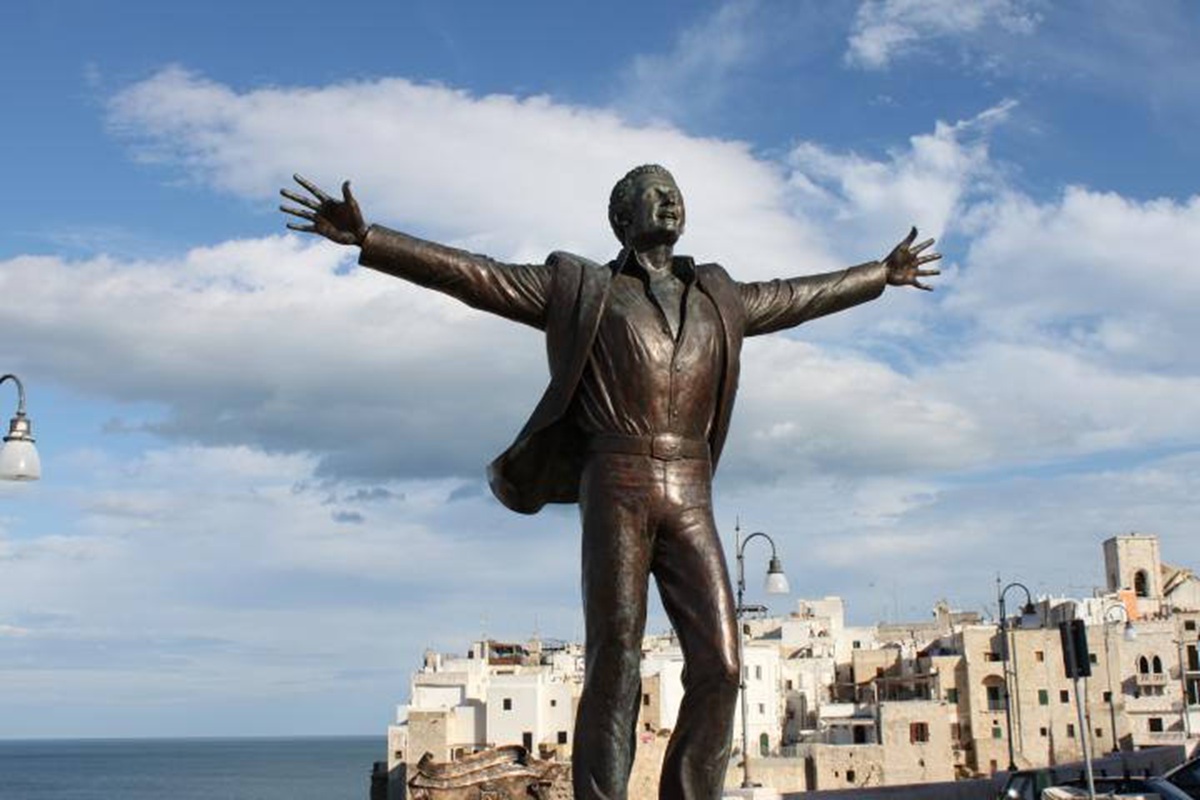
Volare è una delle aspirazioni più antiche dell'essere umano. Prima ancora che la tecnologia rendesse possibile attraversare il cielo, il volo rappresentava già la libertà, il superamento dei limiti e la possibilità di osservare il mondo da una prospettiva diversa. Nel corso dei secoli, questo desiderio ha trovato spazio nei miti, nella letteratura, nel cinema, nei giochi e, soprattutto, nella musica. Dal mito greco di Icaro ai disegni delle macchine volanti di Leonardo da Vinci, l'uomo ha sempre provato a trasformare il cielo in un luogo da raggiungere. Il volo, però, non è soltanto un movimento fisico: è anche una potente metafora della fantasia, dell'amore, del successo e della fuga dalla quotidianità.

Il supergruppo di Alice Cooper e Johnny Depp è pronto a tornare in Italia con 2 date nel mese di settembre.

"Era uno dei concerti migliori della mia vita". Bad Bunny è tornato a parlare dell'evento tenuto sabato scorso all'Ippodromo La Maura nella zona San Siro di Milano. E la grandine riapre il problema sicurezza dell'impianto.

Noemi dovrà osservare 4 settimane di riposo dopo la caduta, ma dal 16 agosto sarà un tour de force per recuperare i live rinviati. Ecco tutte le date fino a settembre.

Lo scorso 13 luglio Paolo Belli era in bicicletta tra Correggio e Campagnola, in provincia di Reggio Emilia, per la sua solita sgambata, quando ha investito un uomo di 41 anni di nome Alessandro Mignani che, trasportato in ospedale, dopo 1 giorno in terapia intensiva, è deceduto.
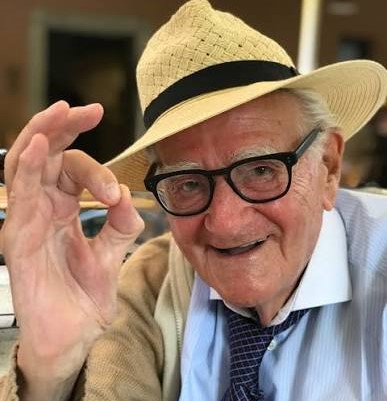
L'11 luglio Teddy Reno ha compiuto 100 anni! E' il primo cantante italiano a raggiungere questo traguardo.

Nella terza edizione di "Nuova Scena", talent dedicato al mondo rap in onda su Netflix, si sono aggiudicati la vittoria i cosentini Flextony e Tigerplug.

 Beckah Shae
 Urge Overkill
 The Warren Brothers
 Bijou Phillips
 Jenny O.
 Akrobatik
 Cracker
 Lizzie West
 Obsessed
 Paul Gilbert
 Horace Pinker
 The Fray