






Last year, I was on a twin-engine plane coming from Milwaukee to New York City. Just over La Guardia, one of the engines conked out and we started to drop straight down, flipping over and over. Then the other engine died: and we went completely out of control. New York City started getting taller and taller. A voice came over the intercom and said:
Our pilot has informed us that we are about to attempt a crash landing.
Please extinguish all cigarettes. Place your tray tables in their upright, locked position.
Your Captain says: Please do not panic.
Your Captain says: Place your head in your hands.
Captain says: Place your head on your knees.
Captain says: Put your hands on your head. Put your hands on your knees! (heh-heh)
This is your Captain.
Have you lost your dog?
We are going down.
We are all going down, together.
As it turned out, we were caught in a downdraft and rammed into a bank. It was, in short, a miracle. But afterwards I was terrified of getting onto planes. The moment I started walking down that aisle, my eyes would clamp shut and I would fall into a deep, impenetrable sleep.
(YOU DON’T WANT TO SEE THIS ...
YOU DON’T WANT TO BE HERE ...
HAVE YOU LOST YOUR DOG?)
Finally, I was able to remain conscious, but I always had to go up to the forward cabin and ask the stewardesses if I could sit next to them: “Hi! Uh, mind if I join you?” They were always rather irritated--“Oh, all right (what a baby)”--and I watched their uniforms crack as we made nervous chitchat.
Sometimes even this didn’t work, and I’d have to find one of the other passengers to talk to. You can spot these people immediately. There’s one on every flight. Someone who’s really on _your_ wavelength.I was on a flight from L.A. when I spotted one of them, sitting across the aisle. A girl, about fifteen. And she had this stuffed rabbit set up on her tray table and she kept arranging and rearranging the rabbit and kind of waving to it: “Hi!”
“Hi there!”
And I decided: This is the one _I_ want to sit next to. So I sat down and we started to talk and suddenly I realized she was speaking an entirely different language. Computerese.
A kind of high-tech lingo.
Everything was circuitry, electronics, switching.
If she didn’t understand something, it just “didn’t scan.”
We talked mostly about her boyfriend. This guy was never in a bad mood. He was in a bad mode.
Modey kind of a guy.
The romance was apparently kind of rocky and she kept saying: “Man oh man you know like it’s so digital!” She just meant the relationship was on again, off again.
Always two things switching.
Current runs through bodies and then it doesn’t.
It was a language of sounds, of noise, of switching, of signals.
It was the language of the rabbit, the caribou, the penguin, the beaver.
A language of the past.
Current runs through bodies and then it doesn’t.
On again.
Off again.
Always two things switching.
One thing instantly replaces another.
It was the language of the Future.
Put your knees up to your chin.
Have you lost your dog?
Put your hands over your eyes.
Jump out of the plane.
There is no pilot.
You are not alone.
This is the language of the on-again off-again future.
And it is Digital.
And I answered the phone and I heard a voice and the voice said:
Please do not hang up.
We know who you are.
Please do not hang up.
We know what you have to say.
Please do not hang up.
We know what you want.
Please do not hang up.
We’ve got your number:
One ...
Two ...
Three ...
Four.
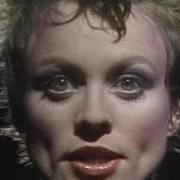
Laurie Anderson (nata Laura Phillips Anderson) è un'artista americana poliedrica, nota per la sua musica sperimentale, le performance teatrali innovative e l'utilizzo di tecnologie elettroniche. Nata nel 1947 a New York, ha iniziato la sua carriera negli anni '70 come musicista avant-garde, combinando elementi di musica classica, jazz e elettronica con testi poetici e narrazioni surreali. La sua performance iconica "O Superman" (1981) le ha conferito fama internazionale, raggiungendo il successo nelle classifiche musicali e anticipando l'uso di sintetizzatori e campionamenti nella musica pop. Anderson è stata una pioniera nell'integrazione di tecnologia e arte, utilizzando computer, video e strumenti elettronici per creare spettacoli multimediali coinvolgenti. Tra i suoi album più importanti figurano "Big Science" (1982), "Home of the Brave" (1986) e "Bright Red" (2005). Oltre alla musica, Anderson ha lavorato anche al cinema, alla televisione e al teatro, ricevendo numerosi premi per le sue creazioni artistiche. Tra i suoi brani più rappresentativi ricordiamo "O Superman", "Walking on the Moon", "Sharkey's Day" e "The Ugly One".
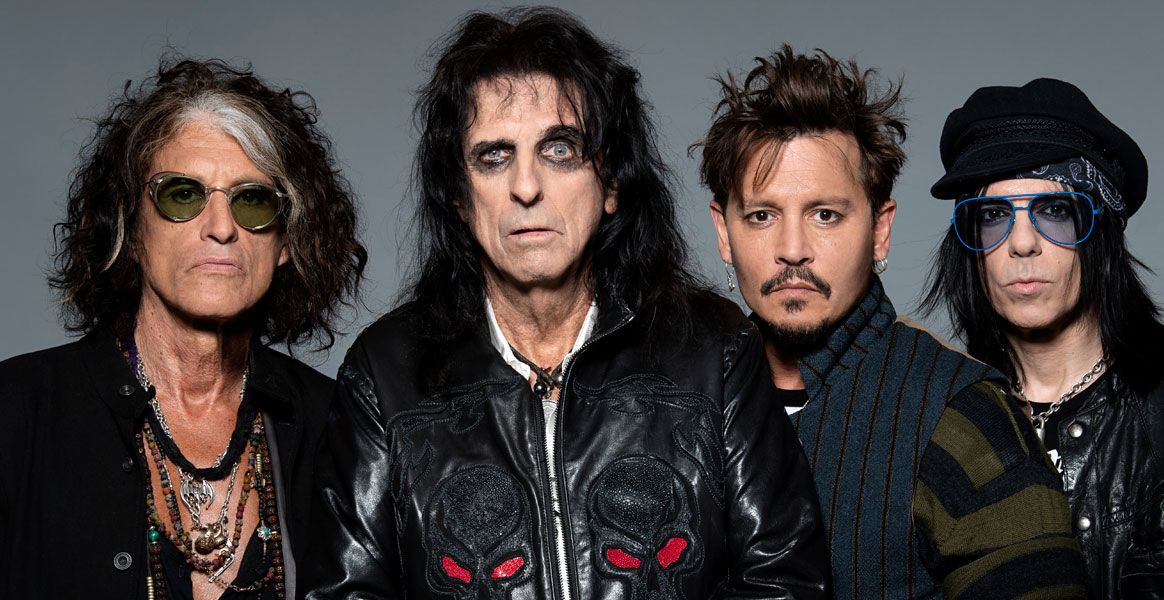
Il supergruppo di Alice Cooper e Johnny Depp è pronto a tornare in Italia con 2 date nel mese di settembre.
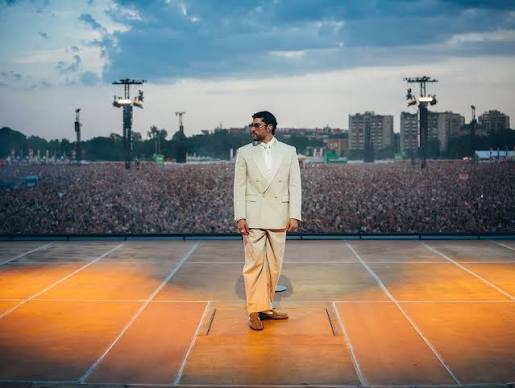
"Era uno dei concerti migliori della mia vita". Bad Bunny è tornato a parlare dell'evento tenuto sabato scorso all'Ippodromo La Maura nella zona San Siro di Milano. E la grandine riapre il problema sicurezza dell'impianto.
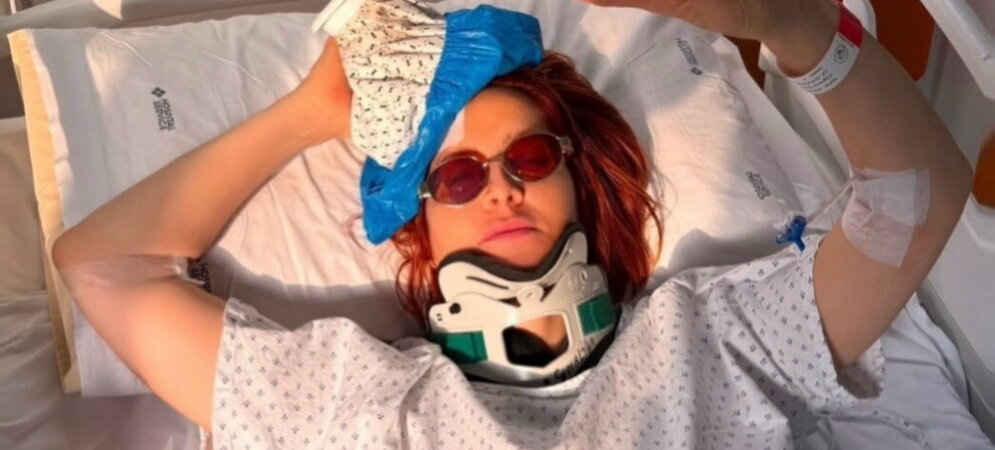
Noemi dovrà osservare 4 settimane di riposo dopo la caduta, ma dal 16 agosto sarà un tour de force per recuperare i live rinviati. Ecco tutte le date fino a settembre.
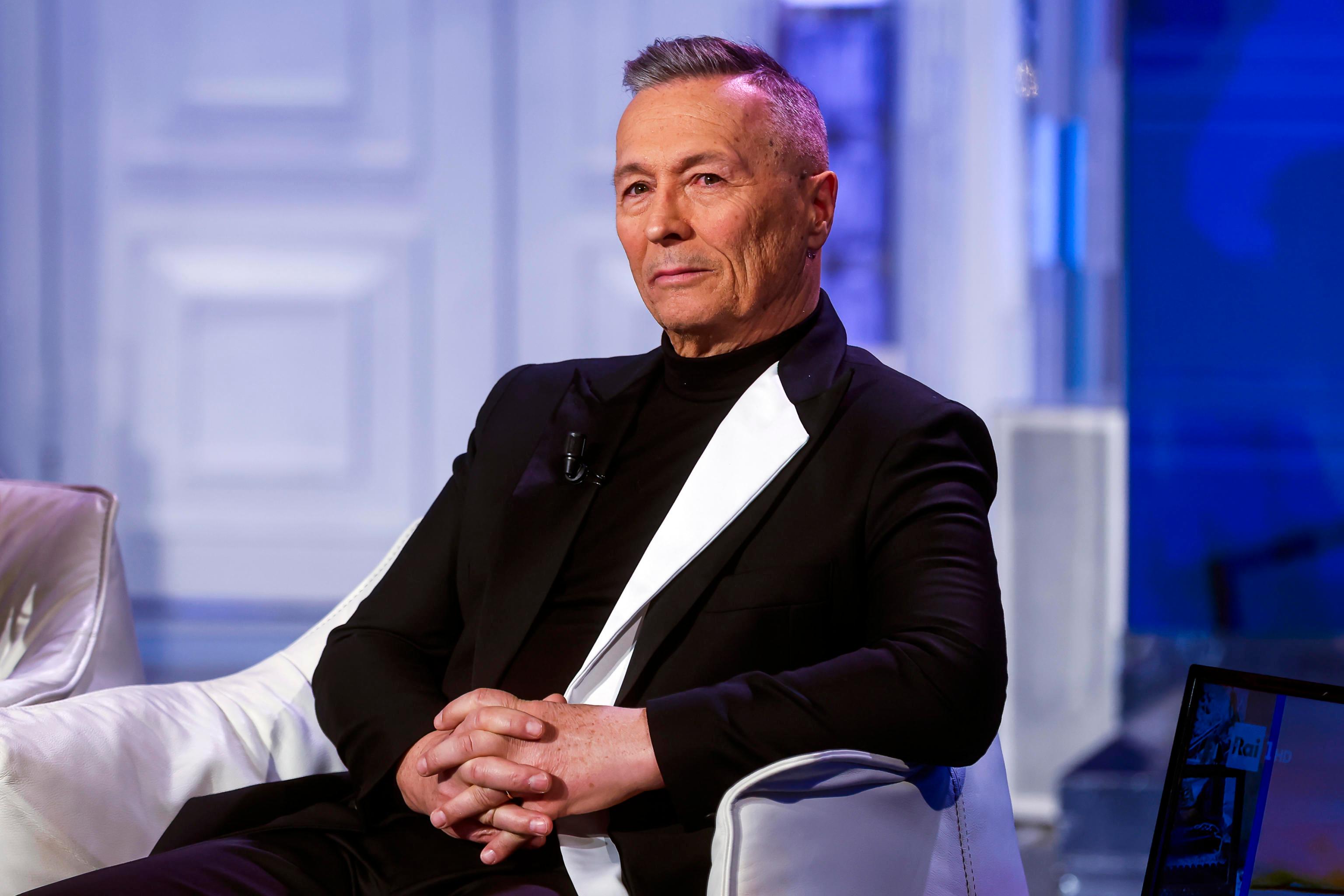
Lo scorso 13 luglio Paolo Belli era in bicicletta tra Correggio e Campagnola, in provincia di Reggio Emilia, per la sua solita sgambata, quando ha investito un uomo di 41 anni di nome Alessandro Mignani che, trasportato in ospedale, dopo 1 giorno in terapia intensiva, è deceduto.
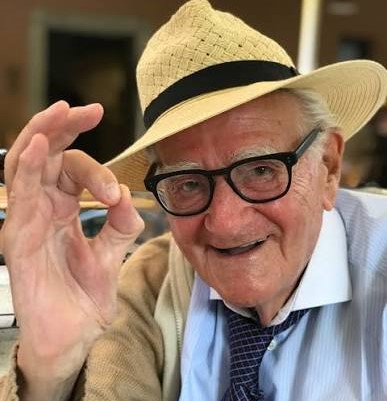
L'11 luglio Teddy Reno ha compiuto 100 anni! E' il primo cantante italiano a raggiungere questo traguardo.
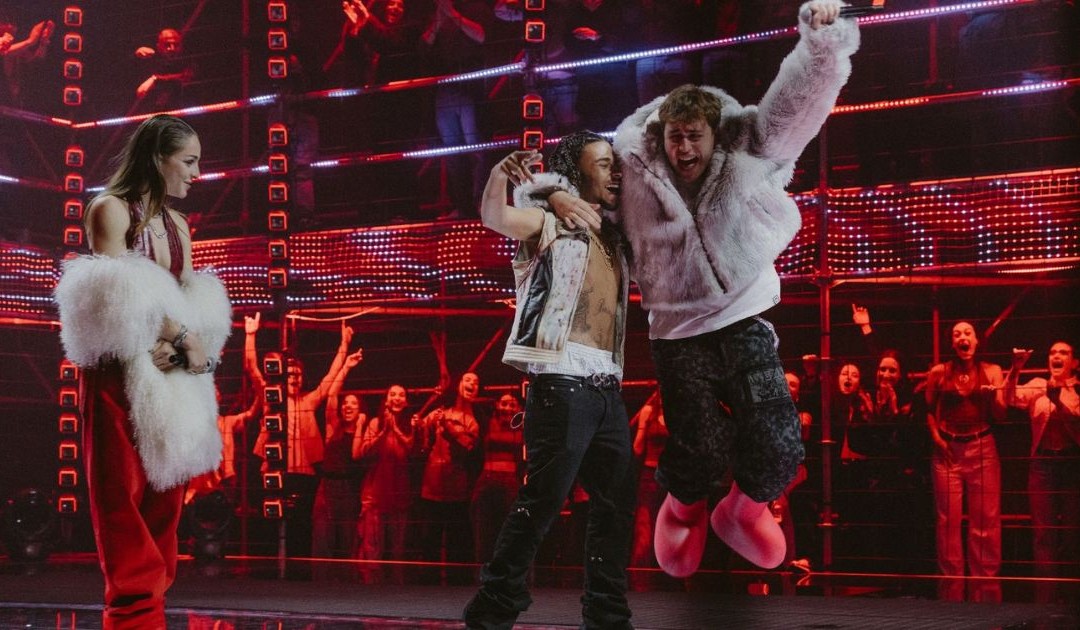
Nella terza edizione di "Nuova Scena", talent dedicato al mondo rap in onda su Netflix, si sono aggiudicati la vittoria i cosentini Flextony e Tigerplug.
La radio è morta? No. Ma non è più il cancello d'ingresso. Negli ultimi anni qualcosa è cambiato ? radicalmente. Canzoni sconosciute esplodono in pochi giorni. Artisti senza contratto discografico raccolgono milioni di stream. E le radio? Arrivano dopo, non prima. Il pubblico ha preso il controllo. Il potere dei video brevi: 15 secondi che cambiano tutto TikTok ha trasformato le regole del gioco musicale. Una melodia che dura meno di venti secondi può diventare il suono di un'intera estate. Nel 2023, oltre il 70% delle canzoni entrate nella Billboard Hot 100 aveva avuto un'origine virale su piattaforme social prima di ricevere attenzione radiofonica.
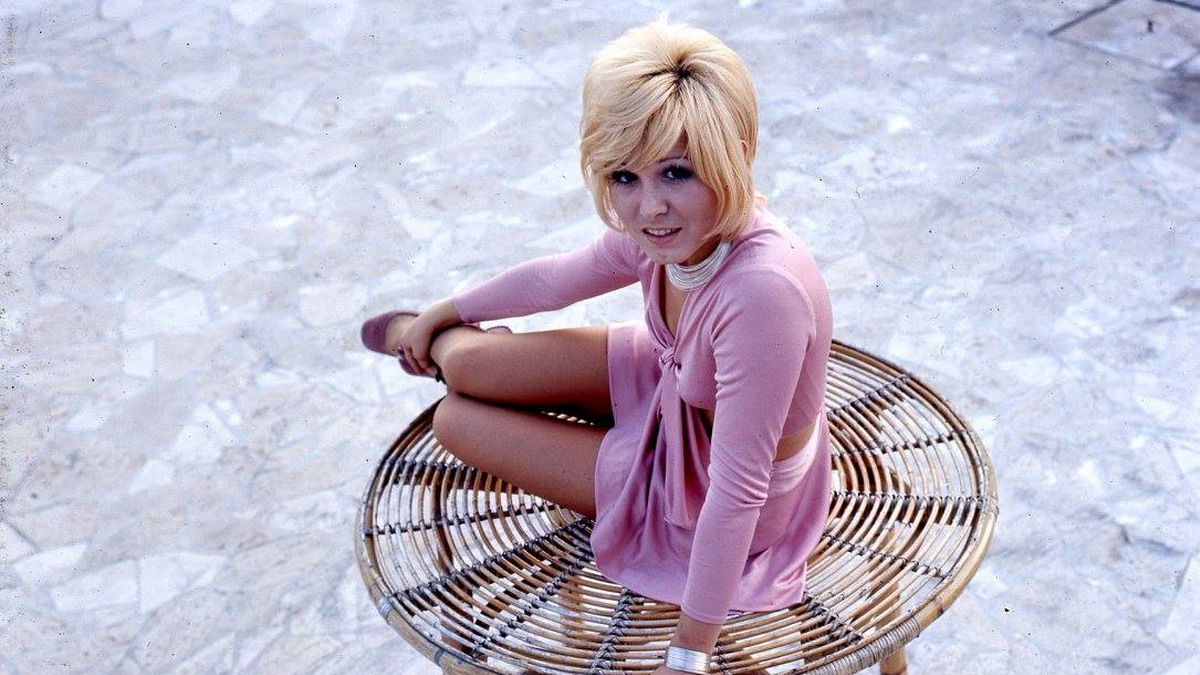
Il 28 aprile 1986 la cantante Graziella Franchini, in arte Lolita, veniva ritrovata esanime e sfigurata nella camera del residence di Lamezia Terme in cui viveva ormai da un pò di tempo. L'omicidio è rimasto privo di colpevoli.
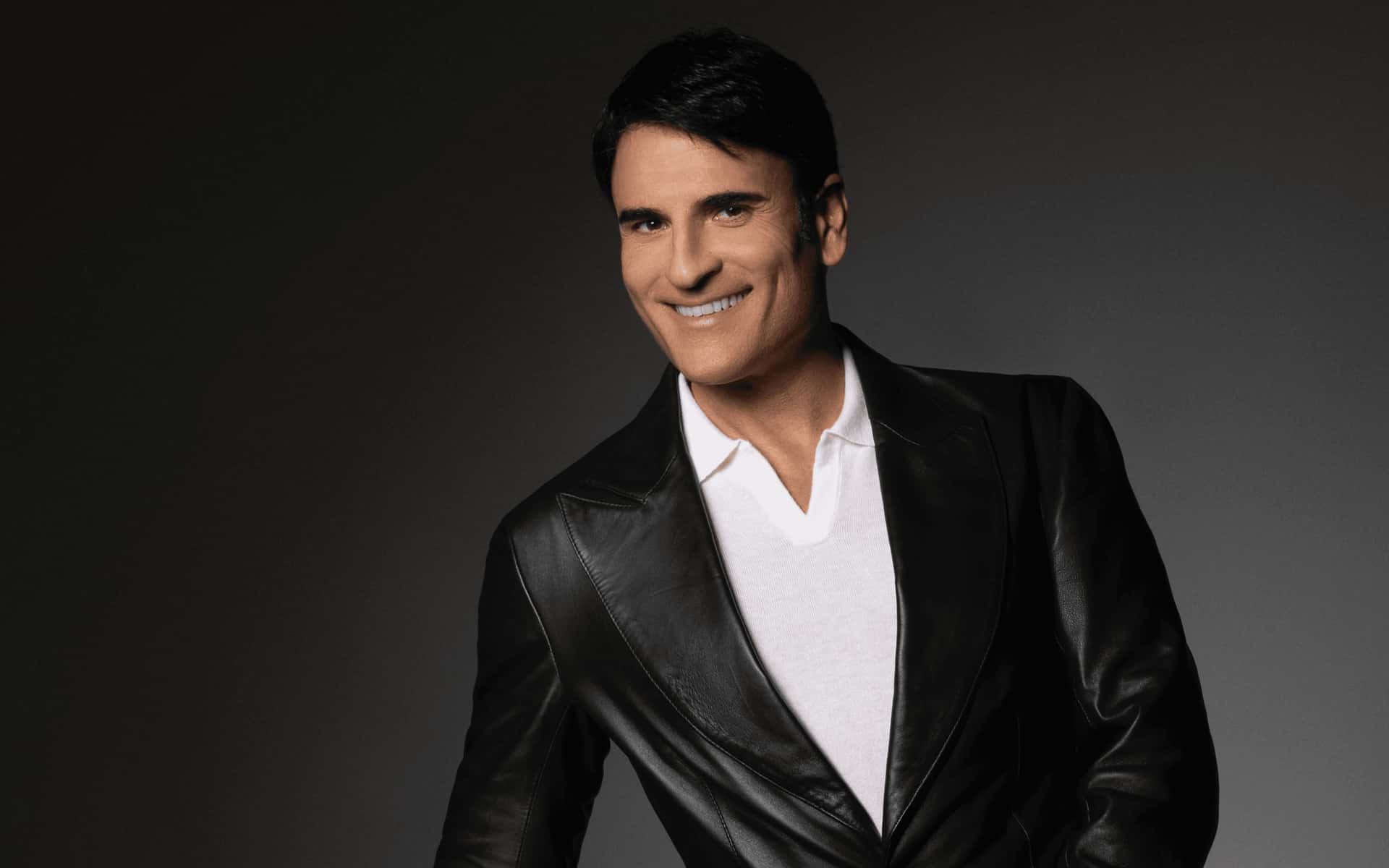
Da qualche parte nel mondo i Blue si sono riuniti davanti a uno schermo per vedere l'esibizione di Sal Da Vinci che canta "Per Sempre Si".

 Sam Milby
 C-Note
 Copywrite
 Esham
Esham
 Bishop Allen
 Stacey Earle
 The Bled
 J Quiles
 Matthew E. White
 The Flirts
 Shalamar
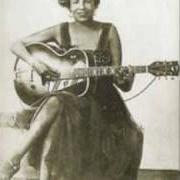 Memphis Minnie