








ok, i want to talk about ireland
Specifically i want to talk about the "famine"
About the fact that there never really was one
There was no "famine"
See irish people were only allowed to eat potatoes
All of the other food
Meat fish vegetables
Were shipped out of the country under armed guard
To england while the irish people starved
And then on the middle of all this
They gave us money not to teach our children irish
And so we lost our history
And this is what i think is still hurting me
See we're like a child that's been battered
Has to drive itself out of it's head because it's frightened
Still feels all the painful feelings
But they lose contact with the memory
And this leads to massive self-destruction
Alcoholism, drug addiction
All desperate attempts at running
And in it's worst form
Becomes actual killing
And if there ever is gonna be healing
There has to be remembering
And then grieving
So that there then can be forgiving
There has to be knowledge and understanding
All the lonely people
Where do they all come from
An american army regulation
Says you mustn't kill more than 10% of a nation
'cos to do so causes permanent "psychological damage"
It's not permanent but they didn't know that
Anyway during the supposed "famine"
We lost a lot more than 10% of our nation
Through deaths on land or on ships of emigration
But what finally broke us was not starvation
But it's use in the controlling of our education
School go on about "black 47"
On and on about "the terrible famine"
But what they don't say is in truth
There really never was one
(excuse me)
All the lonely people
(i'm sorry, excuse me)
Where do they all come from
(that i can tell you in one word)
All the lonely people
Where do they all belong
So let's take a look shall we
The highest statistics of child abuse in the eec
And we say we're a christian country
But we've lost contact with our history
See we used to worship god as a mother
We're suffering from post traumatic stress disorder
Look at all our old men in the pubs
Look at all our young people on drugs
We used to worship god as a mother
Now look at what we're doing to each other
We've even made killers of ourselves
The most child-like trusting people in the universe
And this is what's wrong with us
Our history books the parent figures lied to us
I see the irish
As a race like a child
That got itself basned in the face
And if there ever is gonna be healing
There has to be remembering
And then grieving
So that there then can be forgiving
There has to be knowledge and understanding
All the lonely people
Where do they all come from
All the lonely people
Where do they all come from
We stand on the brink of a great achievement
In this ireland there is no solution
To be found to our disagreements
By shooting each other
There is no real invader here
We are all irish in all our
Different kinds of ways
We must not, now or ever in the future,
Show anything to each other
Except tolerance, forbearance
And neighbourly love
Because of our tradition everyone here
Knows how he is and what god expects him to do.
Sinéad Marie Bernadette O'Connor (Dublino, 8 dicembre 1966 – Londra, 26 luglio 2023) è stata una cantautrice irlandese di fama internazionale. Conosciuta per la sua voce potente e il suo stile musicale che mescolava elementi di pop, rock, folk e musica tradizionale irlandese, O'Connor ha raggiunto l'apice della popolarità negli anni '90 con album come "The Lion and the Cobra" (1987) e "I Do Not Want What I Haven't Got" (1990). Quest'ultimo, contenente il singolo simbolo "Nothing Compares 2 U", ha venduto oltre 10 milioni di copie in tutto il mondo. La sua carriera è stata segnata da momenti controversi, come la distruzione del ritratto del Papa durante un'esibizione televisiva nel 1992, che le costò l'ostilità di alcuni e la stima di altri. Nonostante le controversie, O'Connor ha continuato a pubblicare musica fino alla fine della sua vita, esplorando nuovi generi musicali e affrontando temi sociali e politici nelle sue canzoni. Nel 2017 ha cambiato il suo nome legale in Magda Davitt e nel 2018 si è convertita all'Islam, assumendo il nome di Shuhada' Sadaqat.
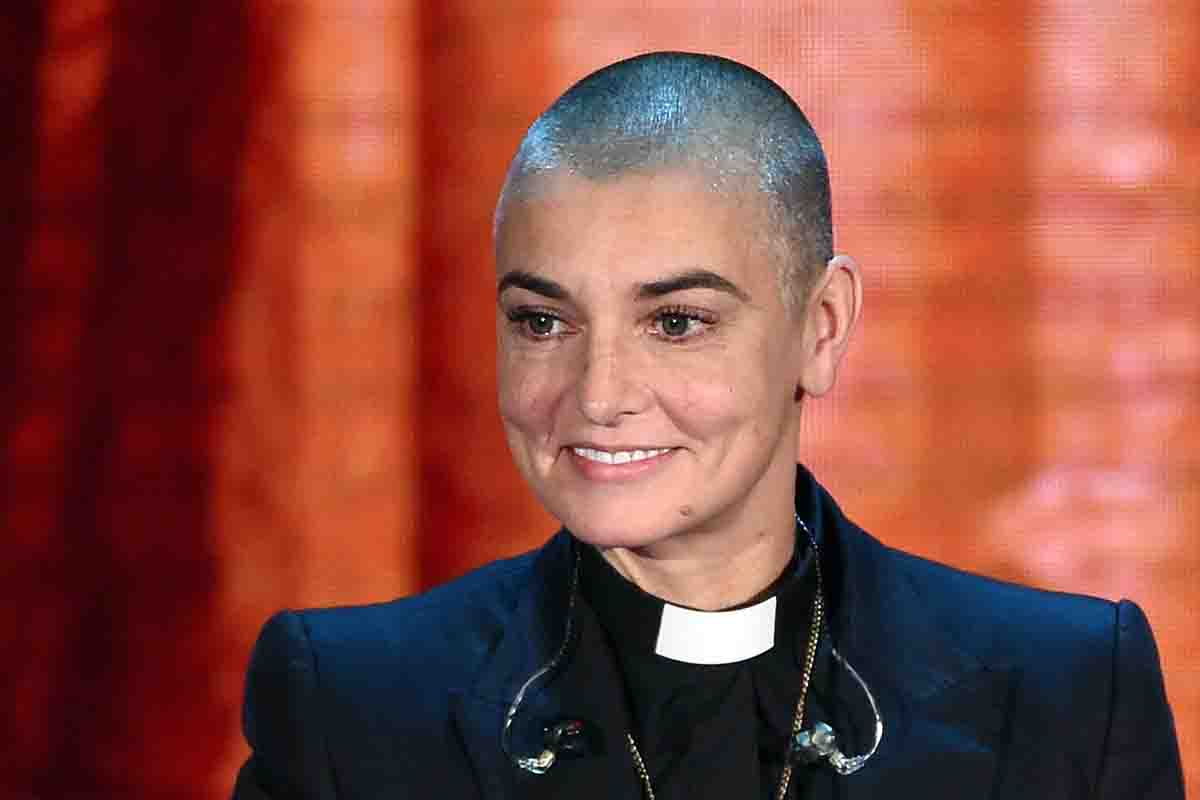
All'età di 56 anni nella sua Dublino è deceduta Sinead O'Connor. Per ora non si conoscono le cause del decesso, ma sono ben noti i suoi problemi di depressione e gli alti e bassi che da anni l'avevano costretta in una condizione di grande fragilità emotiva.
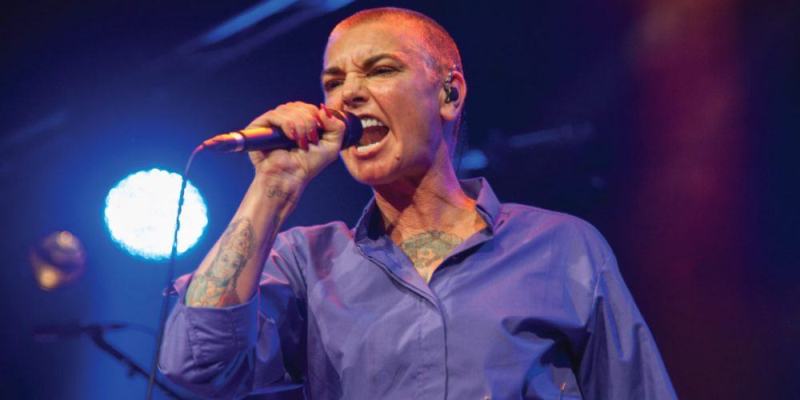
Sinead O'Connor, regina del folk e del pop irlandese, ha sempre avuto una sola fedele compagna: la crisi personale. Anche all'apice del suo successo, che è legato al brano "Nothing Compares 2 U" del 1990, il male di vivere era lì a strisciarle accanto.

Il comparto sonoro è uno degli elementi più importanti ma meno notati nel mondo del videogioco. Una colonna sonora azzeccata trasforma un'azione semplice in un momento indimenticabile, guida la concentrazione e crea un legame emotivo con lo schermo. Dai primi bip elettronici degli anni Settanta fino alle composizioni orchestrali contemporanee, il suono ha smesso di essere un semplice contorno per diventare un motore d'immersione fondamentale in qualsiasi software interattivo.
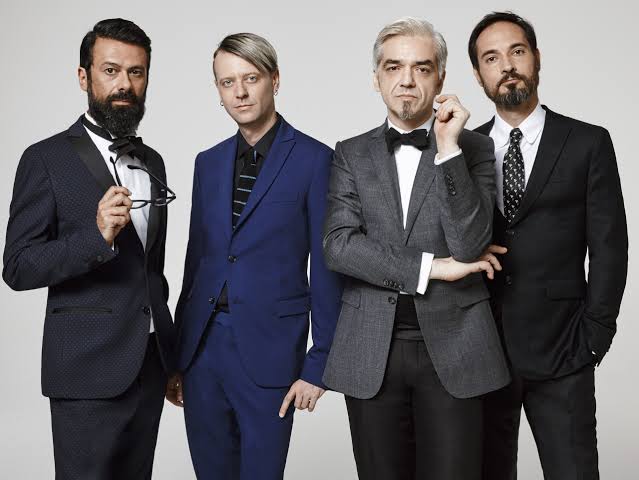
Dopo il grande riscontro nei liv del periodo primavera estate 2026, i Bluvertigo sono pronti per il nuovo album, con una notevole quantità di brani già pronti.
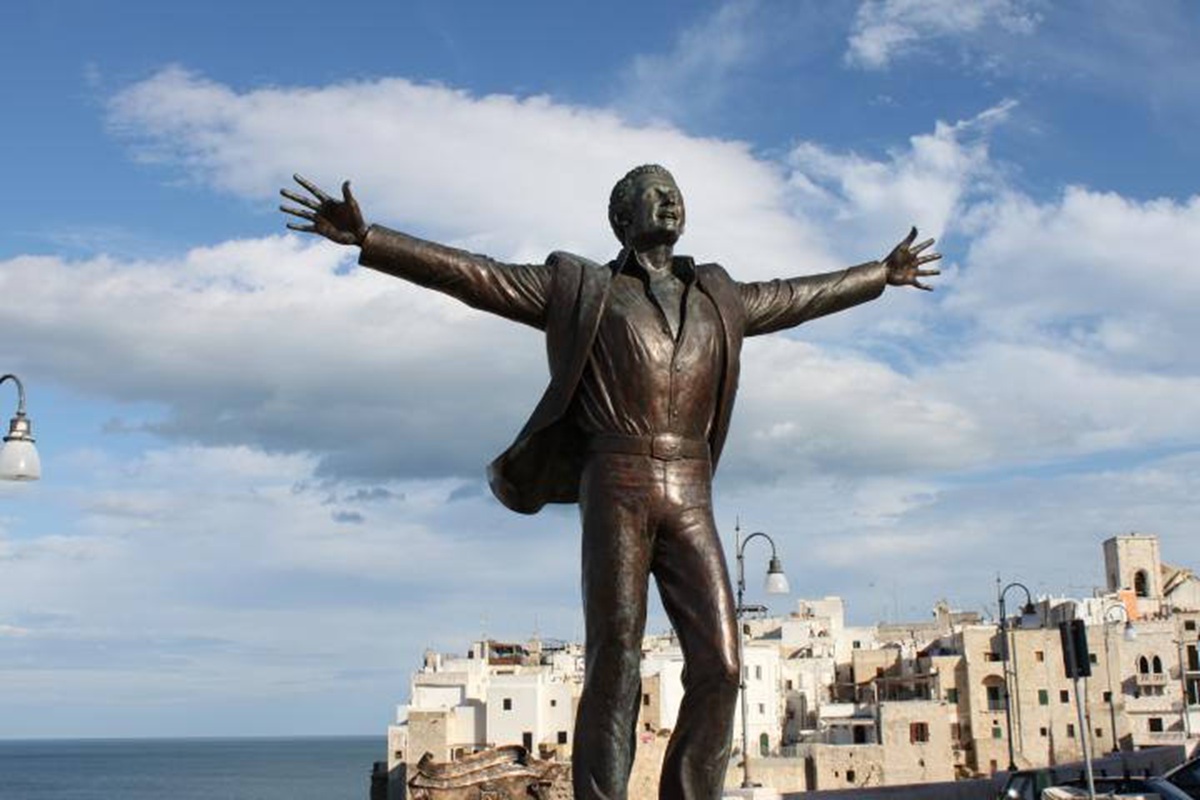
Volare è una delle aspirazioni più antiche dell'essere umano. Prima ancora che la tecnologia rendesse possibile attraversare il cielo, il volo rappresentava già la libertà, il superamento dei limiti e la possibilità di osservare il mondo da una prospettiva diversa. Nel corso dei secoli, questo desiderio ha trovato spazio nei miti, nella letteratura, nel cinema, nei giochi e, soprattutto, nella musica. Dal mito greco di Icaro ai disegni delle macchine volanti di Leonardo da Vinci, l'uomo ha sempre provato a trasformare il cielo in un luogo da raggiungere. Il volo, però, non è soltanto un movimento fisico: è anche una potente metafora della fantasia, dell'amore, del successo e della fuga dalla quotidianità.
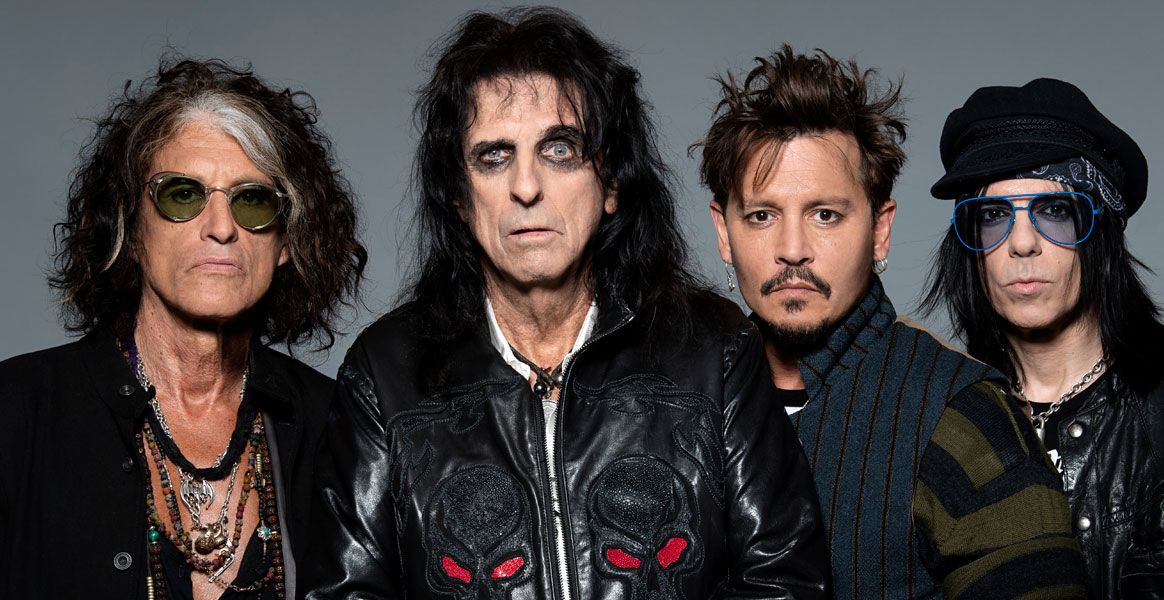
Il supergruppo di Alice Cooper e Johnny Depp è pronto a tornare in Italia con 2 date nel mese di settembre.
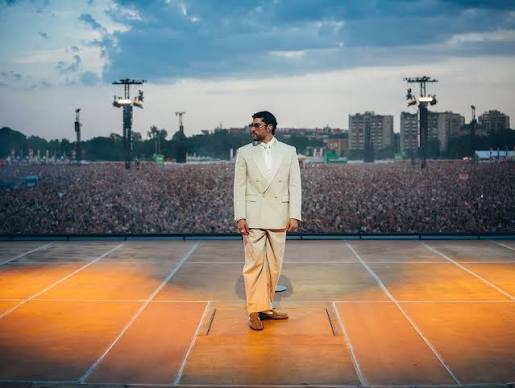
"Era uno dei concerti migliori della mia vita". Bad Bunny è tornato a parlare dell'evento tenuto sabato scorso all'Ippodromo La Maura nella zona San Siro di Milano. E la grandine riapre il problema sicurezza dell'impianto.
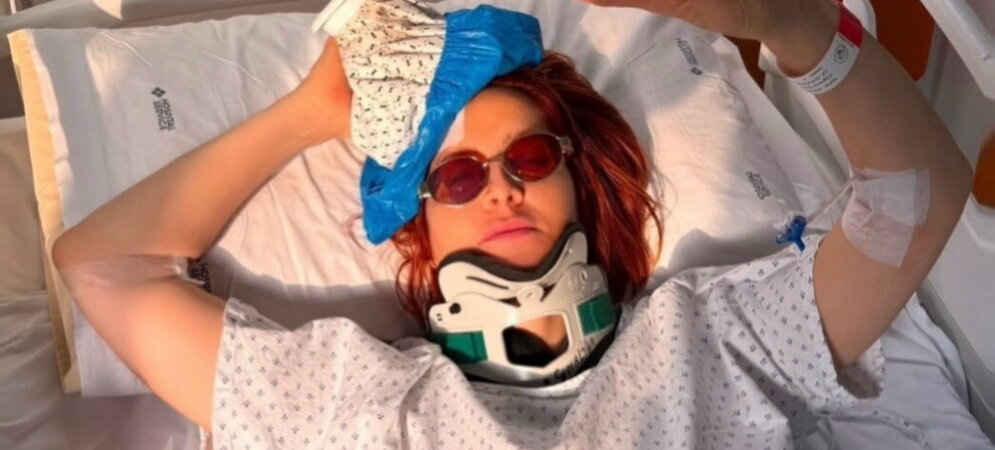
Noemi dovrà osservare 4 settimane di riposo dopo la caduta, ma dal 16 agosto sarà un tour de force per recuperare i live rinviati. Ecco tutte le date fino a settembre.
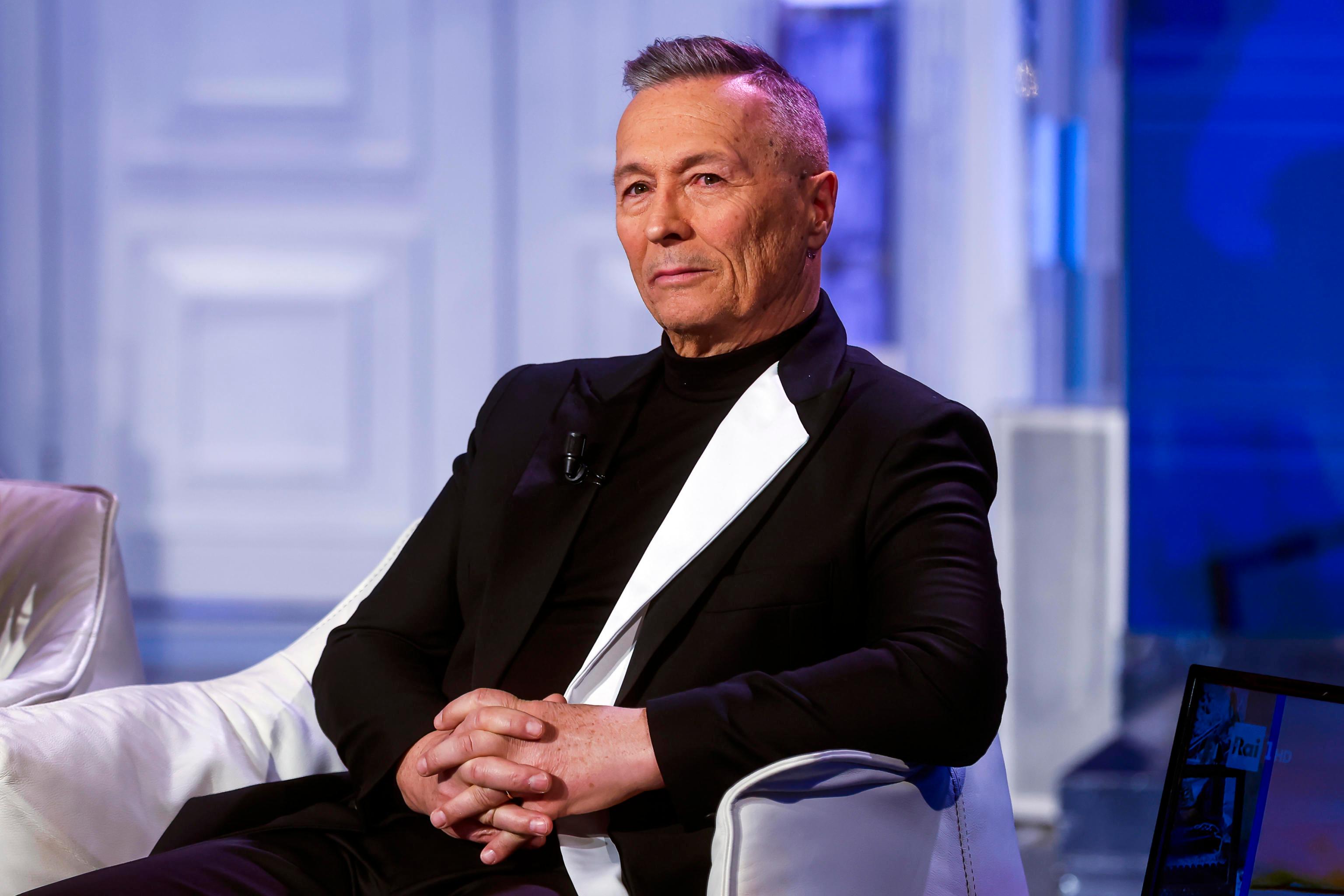
Lo scorso 13 luglio Paolo Belli era in bicicletta tra Correggio e Campagnola, in provincia di Reggio Emilia, per la sua solita sgambata, quando ha investito un uomo di 41 anni di nome Alessandro Mignani che, trasportato in ospedale, dopo 1 giorno in terapia intensiva, è deceduto.
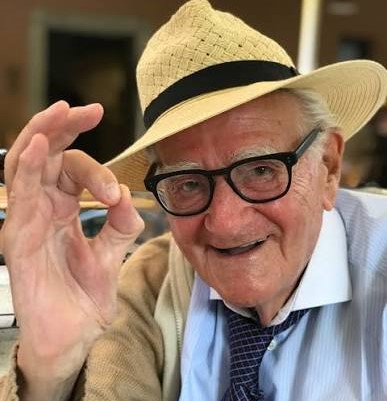
L'11 luglio Teddy Reno ha compiuto 100 anni! E' il primo cantante italiano a raggiungere questo traguardo.
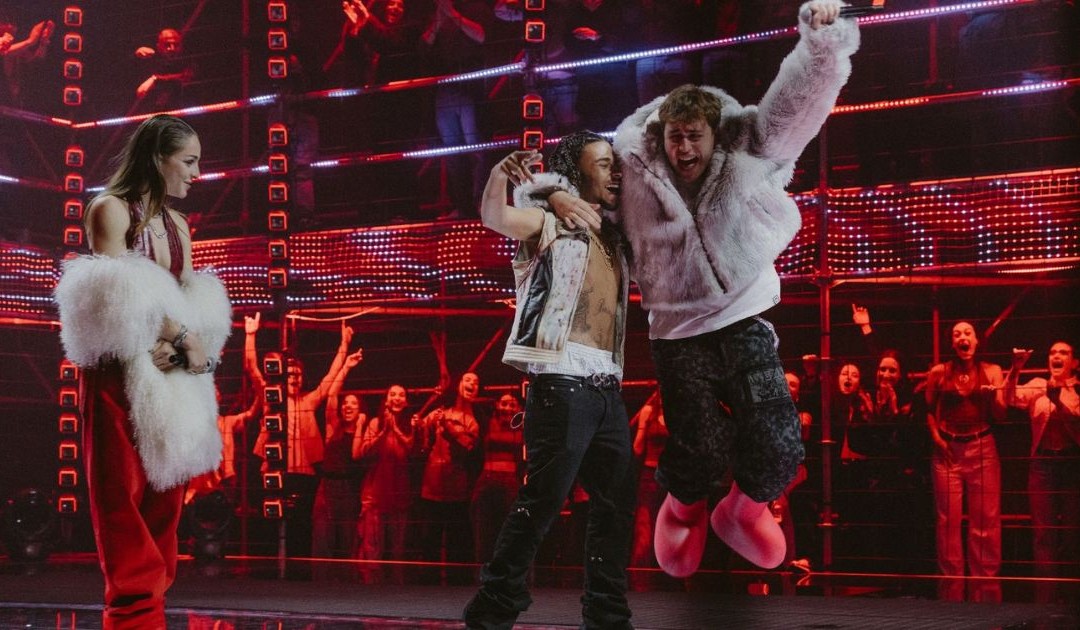
Nella terza edizione di "Nuova Scena", talent dedicato al mondo rap in onda su Netflix, si sono aggiudicati la vittoria i cosentini Flextony e Tigerplug.

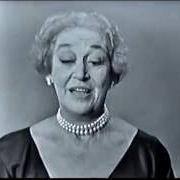 Dorothy Fields
 Vnv Nation
 Ronan Hardiman
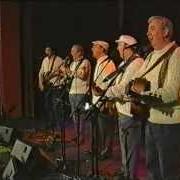 Clancy Brothers
 Damien Rice
 Picturehouse
 Dervish
 Gavin James
 The Fatima Mansions
 Hothouse Flowers
 Sinéad Lohan
 Rend Collective Experiment