






If only Mother could see me now The night was long and lonelyeverything inside was warm and tranquil
I took a walk along the dark deserted stones of some old chapeldid'nt know quite what to doand what I knew was all behind meso with the stars above my head
I let the silence set inside meand guide me if only mother could see me nowon the white horse silver cloudif only daddy could see me ridehe'd be so proud of this little devil boy I saw seas of mirrorwithout a reason to remind meand all the people that I'd lovedwere searching high above to find meso kindly if only mother could see me nowon the white horse silver cloudif only daddy could see me ridehe'd be so proud of this little devil boy
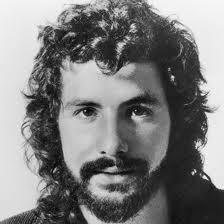
Cat Stevens, pseudonimo di Steven Demetre Georgiou, è un cantautore britannico nato a Londra il 21 luglio 1948. Attivo dal fine degli anni '60 fino al 1978, ha poi abbracciato l'Islam e cambiato nome in Yusuf Islam, continuando la sua carriera musicale con un approccio più spirituale. Stevens è noto per le sue melodie folk-rock malinconiche e introspettive, spesso accompagnate da testi poetici che esplorano temi di amore, perdita, fede e spiritualità. Tra i suoi brani più celebri figurano "Wild World", "Father and Son" e "Peace Train". L'album "Tea for the Tillerman" (1970) è considerato un classico del folk-rock britannico. Dopo il suo periodo di conversione, Yusuf Islam ha continuato a pubblicare musica con testi più religiosi, ma ha sempre mantenuto una sensibilità musicale raffinata e poetica.
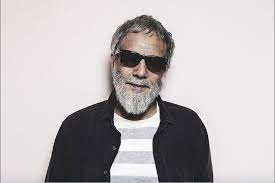
Ho letto una recente intervista di Yusuf/ Cat Stevens che mi ha molto commossa. L'artista britannico ha infatti dichiarato al Corriere della Sera, che ripensando al suo brano "Peace Train", si sente di affermare che quel treno non è mai partito: " vivere con gli altri è una vera e

 Foreigner
 Ellie Goulding
 Caravan
 Leon Jackson
 Pariah
 Curved Air
 Rudimental
 Lloyd Cole
 N-Trance
 Keaton Henson
 X-Press 2
 S Club 7