







Well
If you want to sing out
Sing out.
And if you want to be free
Be free.
'Cause there's a million things to be.
You know that there are.
And if you want to live high
Live high.
And if you want to live low
Live low.
'Cause there's a million ways to go.
You know that there are.
You can do what you want.
The opportunity's on.
And if you find a new way
You can do it today.
You can make it all true.
And you can make it undo
You see.
Ah
It's easy.
Ah
You only need to know.
Well
If you want to say yes
Say yes.
And if you want to say no
Say no.
Cause there's a million ways to go.
You know that there are.
And if you want to be me
Be me.
And if you want to be you
Be you.
Cause thee's a million things to do.
You know that there are.
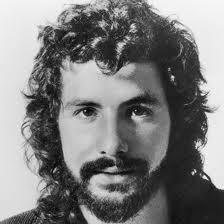
Cat Stevens, pseudonimo di Steven Demetre Georgiou, è un cantautore britannico nato a Londra il 21 luglio 1948. Attivo dal fine degli anni '60 fino al 1978, ha poi abbracciato l'Islam e cambiato nome in Yusuf Islam, continuando la sua carriera musicale con un approccio più spirituale. Stevens è noto per le sue melodie folk-rock malinconiche e introspettive, spesso accompagnate da testi poetici che esplorano temi di amore, perdita, fede e spiritualità. Tra i suoi brani più celebri figurano "Wild World", "Father and Son" e "Peace Train". L'album "Tea for the Tillerman" (1970) è considerato un classico del folk-rock britannico. Dopo il suo periodo di conversione, Yusuf Islam ha continuato a pubblicare musica con testi più religiosi, ma ha sempre mantenuto una sensibilità musicale raffinata e poetica.
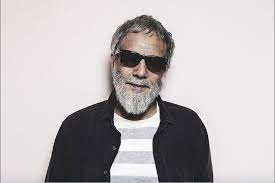
Ho letto una recente intervista di Yusuf/ Cat Stevens che mi ha molto commossa. L'artista britannico ha infatti dichiarato al Corriere della Sera, che ripensando al suo brano "Peace Train", si sente di affermare che quel treno non è mai partito: " vivere con gli altri è una vera e

 I Am Kloot
 Jadu Heart
 Godflesh
 Morcheeba
 Melanie C
 Carcass
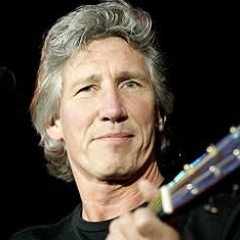 Roger Waters
 Bill Bailey
 Noel Gallagher
 London Grammar
 Al Stewart
 British Plastic