






The killer lives inside me: yes, I can feel him move.
Sometimes he's lightly sleeping
in the quiet of his room,
but then his eyes will rise and stare through mine;
he'll speak my words and slice my mind inside.
Yes the killer lives.
Angels live inside me: I can feel them smile...
Their presence strokes
and soothes the tempest in my mind
and their love can heal the wounds
that I have wrought.
They watch me as I go to fall
- well, I know I shall be caught,
while the angels live.
How can I be free?
How can I get help?
Am I really me?
Am I someone else?
But stalking in my cloisters hang the acolytes
of gloom
and Death's Head throws his cloak into
the corner of my room
and I am doomed...
But laughing in my courtyard play the pranksters
of my youth
and solemn, waiting Old Man
in the gables of the roof:
he tells me truth...
And I too, live inside me and very often
don't know who I am:
I know I'm not a hero, but
I hope that I'll not die.
I'm just a man, and killers, angels,
are all me:
Dictator, saviour, refugee in war and peace
as long as Man lives...
I'm just a man, and killers, angels,
are all me:
Dictator, saviour, refugee
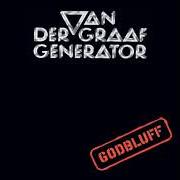
Van der Graaf Generator è un gruppo rock progressivo inglese formatosi nel 1967. Considerati pionieri del genere, sono noti per la loro musica complessa e sperimentale, caratterizzata da influenze jazz, classiche e teatrali. Il gruppo ha raggiunto il successo negli anni '70, soprattutto in Italia, dove hanno riscosso un'enorme popolarità. Tra i membri fondatori si annoverano Peter Hammill (voce, tastiere), Hugh Banton (organo, basso), Nic Potter (batteria) e David Jackson (flauto, sassofono). Nel corso degli anni la formazione ha subito diverse variazioni, ma il nucleo centrale è sempre rimasto quello originale. Van der Graaf Generator sono stati uno dei primi gruppi ad essere firmati da Charisma Records, l'etichetta discografica fondata da Tony Stratton-Smith. Il loro stile musicale è stato influenzato da artisti come King Crimson, Genesis e Pink Floyd, ma hanno saputo distinguersi per la loro originalità e il loro approccio sperimentale. Tra i brani più rappresentativi del gruppo si ricordano "A Plague of Lighthouse Keepers", "Killer on the Road" e "Megalomania". Nel 2005 il gruppo ha intrapreso un tour di reunion che continua ancora oggi, dimostrando la loro capacità di rimanere attivi e coinvolgere il pubblico con la loro musica.

 Nick Lowe
 Alison Moyet
 Adrian Gurvitz
 Dry The River
 Delirious?
 Riblja Corba
 Lethal Bizzle
 Paradox
 Julia Fordham
 Nina Nesbitt
 Ben Watt
 Mcalmont & Butler