








(Music by Joan Baez, Words by Thomas Merton)
Sweet brother, if I do not sleep Mon doux frère, si je ne dors pas
My eyes are flowers on your tomb Mes yeux sont des fleurs sur ta tombe
And if I cannot eat my bread Et je ne peux pas manger mon pain
My fasts shall live like willows where you died Mes jeûnes vivront comme les saules où tu es mort
If in the heat I find no water for my thirst Si dans la chaleur je ne trouve pas d'eau pour ma soif
My thirst shall turn to springs for you, poor traveler Ma soif se transformera en sources pour toi, pauvre voyageur
Come, in your labor find a resting place Viens, et dans ton effort trouve un lieu de repos
And in my sorrows lay your head Et sur ma peine pose ta tête
Brother, take my life and bread Frère, prends ma vie et mon pain
And buy yourself a better bed Et achète-toi un meilleur lit
Take my breath and take my death Prends mon souffle et prends ma mort
Buy yourself a better rest beneath the bells of Gethsemani Achète -toi un meilleur repos sous les cloches de Gethsémanie
When all the men of war are killed Quand les guerriers sont tués
And flags have fallen into dust Et les drapeaux tombés en poussière
Your cross and mine will tell men still Ta croix et la mienne diront encore aux hommes
He died on each for both of us Il est mort sur chacun de nous pour nous deux
That we might become the brothers of God Afin que nous devenions frères de Dieu
And learn to know the Christ of burnt men Et que nous connaissions le Christ des hommes brûlés
And the children are ringing the bells of Gethsemani Et les enfants sonnent les cloches de Gethsémanie
For in the wreckage of your April Christ lies slain Car dans les ruines d'avril gît le Christ massacré
He weeps in the ruins of my spring Il pleure sur les ruines de mon printemps
The money of whose tears shall fall L'argent de ces larmes tombera
Into your weak and friendless hand Dans ta main faible et esseulée
And buy you back to your own land Et te ramènera sur ta terre
The silence of whose tears shall fall Le silence de ces larmes tombera
Like bells upon your alien tomb Comme des cloches sur ta tombe étrangère
Hear them and come, they call you home Entends les et viens, elles t'appellent
And the children are ringing the bells of Gethsemani Et les enfants sonnent les cloches de Gethsémanie
Yes, if they had been there Oui, s'ils avaient été là
They would have taken that crown of thorns from his hair Ils auraient enlevé cette couronne d'épines de ses cheveux
And stayed for a while in that place of despair Et seraient restés un peu en ce lieu de désespoir
Ah, but what do I see, my brother is there Ah, mais que vois-je, mon frère est là
And he's ringing the bells of Gethsemani Et il sonne les cloches de Gethsémanie
Joan Chandos Baez (New York, 9 gennaio 1941) è una cantautrice e attivista statunitense di fama internazionale. Considerata una delle voci più riconoscibili della musica folk americana, Baez si è distinta per il suo stile vocale potente e melodioso, capace di trasmettere con intensità le emozioni dei testi che interpretava. La sua carriera musicale, iniziata negli anni '50, ha visto un'evoluzione costante, passando dal folk tradizionale al rock progressivo, senza mai perdere la sua identità artistica. Oltre alla musica, Baez è stata una figura di spicco nel movimento per i diritti civili e il pacifismo negli Stati Uniti. Ha partecipato a numerose manifestazioni e ha utilizzato la sua piattaforma per denunciare le ingiustizie sociali e promuovere la pace. Tra i suoi brani più celebri figurano "Diamonds and Rust", "Where Have All the Flowers Gone?" e "Blowin' in the Wind". Joan Baez è stata una fonte di ispirazione per generazioni di musicisti e attivisti, lasciando un segno indelebile nella storia della musica americana.

Il comparto sonoro è uno degli elementi più importanti ma meno notati nel mondo del videogioco. Una colonna sonora azzeccata trasforma un'azione semplice in un momento indimenticabile, guida la concentrazione e crea un legame emotivo con lo schermo. Dai primi bip elettronici degli anni Settanta fino alle composizioni orchestrali contemporanee, il suono ha smesso di essere un semplice contorno per diventare un motore d'immersione fondamentale in qualsiasi software interattivo.

Dopo il grande riscontro nei liv del periodo primavera estate 2026, i Bluvertigo sono pronti per il nuovo album, con una notevole quantità di brani già pronti.
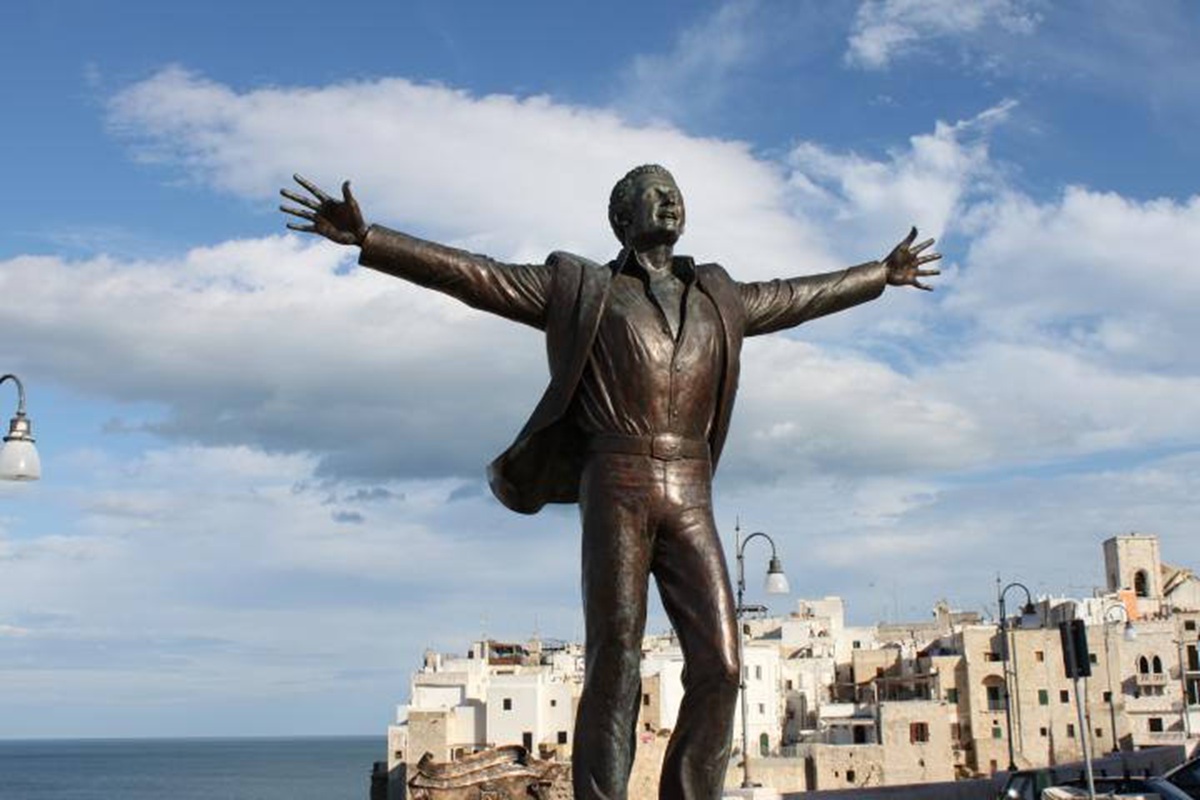
Volare è una delle aspirazioni più antiche dell'essere umano. Prima ancora che la tecnologia rendesse possibile attraversare il cielo, il volo rappresentava già la libertà, il superamento dei limiti e la possibilità di osservare il mondo da una prospettiva diversa. Nel corso dei secoli, questo desiderio ha trovato spazio nei miti, nella letteratura, nel cinema, nei giochi e, soprattutto, nella musica. Dal mito greco di Icaro ai disegni delle macchine volanti di Leonardo da Vinci, l'uomo ha sempre provato a trasformare il cielo in un luogo da raggiungere. Il volo, però, non è soltanto un movimento fisico: è anche una potente metafora della fantasia, dell'amore, del successo e della fuga dalla quotidianità.
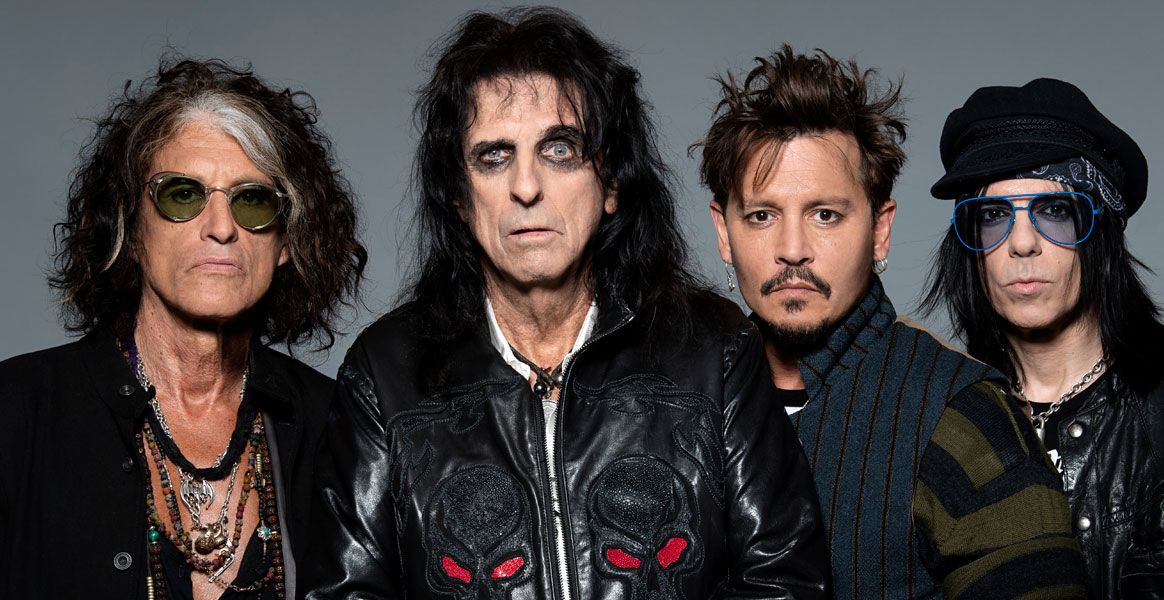
Il supergruppo di Alice Cooper e Johnny Depp è pronto a tornare in Italia con 2 date nel mese di settembre.
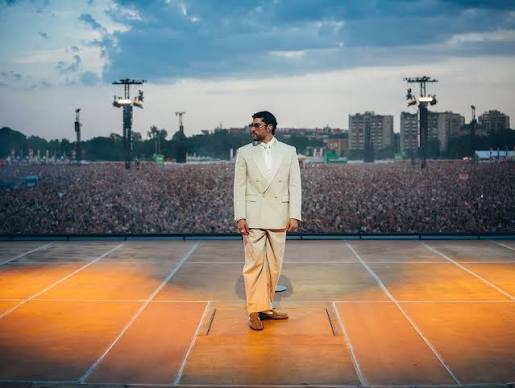
"Era uno dei concerti migliori della mia vita". Bad Bunny è tornato a parlare dell'evento tenuto sabato scorso all'Ippodromo La Maura nella zona San Siro di Milano. E la grandine riapre il problema sicurezza dell'impianto.

Noemi dovrà osservare 4 settimane di riposo dopo la caduta, ma dal 16 agosto sarà un tour de force per recuperare i live rinviati. Ecco tutte le date fino a settembre.

Lo scorso 13 luglio Paolo Belli era in bicicletta tra Correggio e Campagnola, in provincia di Reggio Emilia, per la sua solita sgambata, quando ha investito un uomo di 41 anni di nome Alessandro Mignani che, trasportato in ospedale, dopo 1 giorno in terapia intensiva, è deceduto.
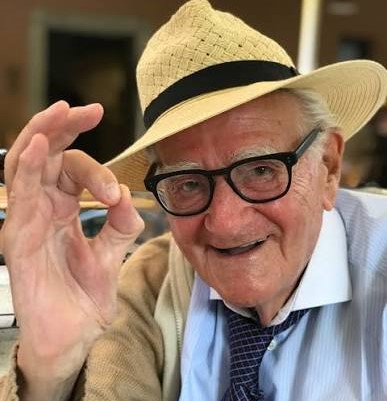
L'11 luglio Teddy Reno ha compiuto 100 anni! E' il primo cantante italiano a raggiungere questo traguardo.

Nella terza edizione di "Nuova Scena", talent dedicato al mondo rap in onda su Netflix, si sono aggiudicati la vittoria i cosentini Flextony e Tigerplug.

 Jane Monheit
 Opm
Opm
 Exhorder
 Chris Garneau
 Secret Chiefs 3
 Epidemic
 Jasmine Villegas
 Jessi Alexander
 Fredo
Fredo
 Closet Monster
 Black Rob
 Lucy Walsh