









Lying in my bed I hear the clock tick
And think of you
Caught up in circles
Confusion is nothing new
Flashback, warm nights
Almost left behind
Suitcases of memories
Time after
Sometimes you picture me
I'm walking too far ahead
You're calling to me, I can't hear
What you've said
Then you say, "go slow"
I fall behind
The second hand unwinds
If you're lost you can look and you will find me
Time after time
If you fall I will catch you, I'll be waiting
Time after time
After my picture fades and darkness has
Turned to gray
Watching through windows
You're wondering if I'm okay
Secrets stolen from deep inside
The drum beats out of time
If you're lost you can look and you will find me
Time after time
If you fall I will catch you, I'll be waiting
Time after time (time after time)
Then you say, "go slow"
I fall behind
The second hand unwinds
If you're lost you can look and you will find me
Time after time
If you fall I will catch you, I'll be waiting
Time after time
If you're lost you can look and you will find me
Time after time
If you fall I will catch you, I'll be waiting (I will be waiting)
Time after time, yeah
Time after time
Time after time
Pierre Corneille (1606-1684) è stato un drammaturgo francese considerato uno dei più importanti del XVII secolo, insieme a Molière e Racine. Nato a Rouen, si distinse per le sue opere teatrali di grande successo, caratterizzate da una struttura classica, dialoghi incisivi e personaggi memorabili. Tra le sue opere più celebri figurano "Le Cid", "Polyeucte" e "Horace". Corneille fu influenzato dal classicismo greco-romano e dalla filosofia cartesiana, che influenzarono la sua visione del mondo e il suo modo di scrivere. Le sue opere affrontano temi come l'amore, l'onore, la giustizia e la fede, con una particolare attenzione alla lotta tra individuo e società. Corneille ricevette numerosi riconoscimenti durante la sua vita, tra cui l'elezione all'Académie Française nel 1673. La sua influenza sul teatro francese è stata profonda e duratura.

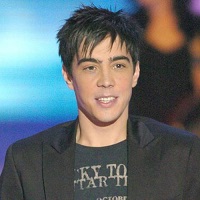 Grégory Lemarchal
 Tahiti 80
 L'Algérino
 Isaac Delusion
 Alliance Ethnik
 Fakear
 Fanny J
 S-Crew
 Rockin Squat
 Percubaba
 Vegastar
 Boris Vian