







I was born in the West-End
In the summer of ’48
Above a small Cafe
Some people liked to come there and call it night
But for me it was all day
Oh! Now the dogs keep a growling
Round my front door
And the Truth howled out from the editing floor
Years went by
Quarrymen came along
This boy became a star
Then he dropped – but got up again
With a Black Everly guitar
Then he searched along the road
A good song he was looking for
And the Truth sang out from the editing floor
Big brother took a trip
As bold as he could be
To the place, he heard,
Where the good Prophets used to walk
High above this dark world
Then the Word came down
And the little brother saw
How the Truth was buried on the editing floor
One day the papers rang us up,
T’check if I said this?
I said, “Oh boy!
I’d never say that!”
Then we got down to the truth of it
But they never printed that!
Just like Socrates, the man from Greece
Fell down on his knees
Said, Lord! Forgive them please
Forgive them please
And he spoke no more
And the cup spilled out on the editing floor
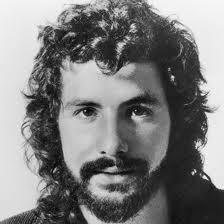
Cat Stevens, pseudonimo di Steven Demetre Georgiou, è un cantautore britannico nato a Londra il 21 luglio 1948. Attivo dal fine degli anni '60 fino al 1978, ha poi abbracciato l'Islam e cambiato nome in Yusuf Islam, continuando la sua carriera musicale con un approccio più spirituale. Stevens è noto per le sue melodie folk-rock malinconiche e introspettive, spesso accompagnate da testi poetici che esplorano temi di amore, perdita, fede e spiritualità. Tra i suoi brani più celebri figurano "Wild World", "Father and Son" e "Peace Train". L'album "Tea for the Tillerman" (1970) è considerato un classico del folk-rock britannico. Dopo il suo periodo di conversione, Yusuf Islam ha continuato a pubblicare musica con testi più religiosi, ma ha sempre mantenuto una sensibilità musicale raffinata e poetica.
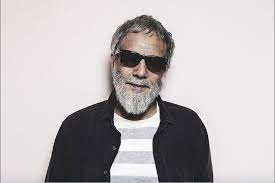
Ho letto una recente intervista di Yusuf/ Cat Stevens che mi ha molto commossa. L'artista britannico ha infatti dichiarato al Corriere della Sera, che ripensando al suo brano "Peace Train", si sente di affermare che quel treno non è mai partito: " vivere con gli altri è una vera e

 Frankmusik
 The Hoosiers
 Gomez
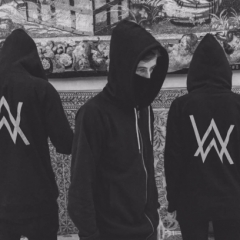 Alan Walker
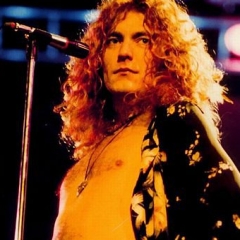 Robert Plant
 Gallon Drunk
 Silence 4
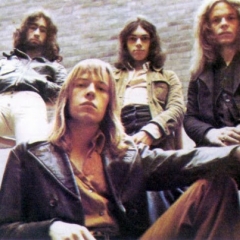 Free
 Lucy Spraggan
 Juggy D
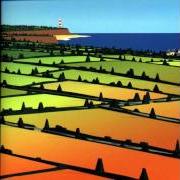 Lemon Jelly
 The Icicle Works