






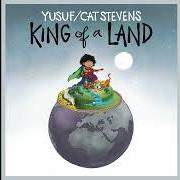
If I was a king of a land
I'd free every woman and man
I'd let them go
I'd set them free to serve You
If I knew every fish in the sea
And every bird in the tree
I'd hear their call
I'd hear them speak Your name
If I ran the schools of this world
I'd teach every boy and girl
I'd let them learn the truth
I'd let them know Your glory
If I had the stairs to the sky
(If I had the stairs to the sky)
I'd raise my voice up there high
(Raise my voice up th?re high)
I'd want the world to hear
Your p?rfect words and thank You
If I had a mountain of gold
I'd try to feed every poor soul
And give them hope again
And let them taste Your bounty
If I could reach every dream
I still would search the unseen
To find a way
That leads us to Your mercy
If I was a king of a land
(If I was a king of a land)
I'd free every woman and man
(Free every woman and man)
I'd let them go
I'd set them free to serve You
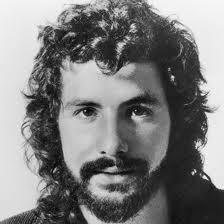
Cat Stevens, pseudonimo di Steven Demetre Georgiou, è un cantautore britannico nato a Londra il 21 luglio 1948. Attivo dal fine degli anni '60 fino al 1978, ha poi abbracciato l'Islam e cambiato nome in Yusuf Islam, continuando la sua carriera musicale con un approccio più spirituale. Stevens è noto per le sue melodie folk-rock malinconiche e introspettive, spesso accompagnate da testi poetici che esplorano temi di amore, perdita, fede e spiritualità. Tra i suoi brani più celebri figurano "Wild World", "Father and Son" e "Peace Train". L'album "Tea for the Tillerman" (1970) è considerato un classico del folk-rock britannico. Dopo il suo periodo di conversione, Yusuf Islam ha continuato a pubblicare musica con testi più religiosi, ma ha sempre mantenuto una sensibilità musicale raffinata e poetica.
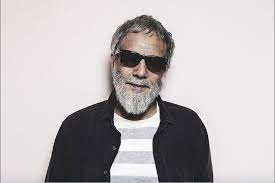
Ho letto una recente intervista di Yusuf/ Cat Stevens che mi ha molto commossa. L'artista britannico ha infatti dichiarato al Corriere della Sera, che ripensando al suo brano "Peace Train", si sente di affermare che quel treno non è mai partito: " vivere con gli altri è una vera e

 Prodigy
 The Treatment
 Nigel Olsson
 La 25
 Lemon Jelly
 Alisha'S Attic
 Alexi Murdoch
 Andrew Ridgeley
 Emmy The Great
 New Model Army
 Sting & Police
 Kym Marsh