






He was the king of trees
Keeper of the leaves
A deep green God of young
Love stained memory
We used to meet by him
Far from the hustling town
I loved you
Now they've come to cut you down
..down
He was the guardian of days
We held the same
Beneath the shade he gave
Shelter from the rain
Oh lord how it's empty now
With nothing save the breeze
Now they've come to burn the leaves
Don't burn the leaves
And if my mind breaks up
In all so many ways
I know the meaning of
The words I love you
And if my body falls inside
An early grave
The forest and the evergreens
Are coming to take me back
So slowly as I roll
Down the track
The forest and the evergreens
Are coming to take me back
The forest and the evergreens
Are coming to take me back
Please take me back
He was the king of trees
Keeper of the glades
The way he enchanted my life
Makes me so amazed
We used to meet by him
Many years ago
I love you
Now they've come to lay the road
Don't lay the road
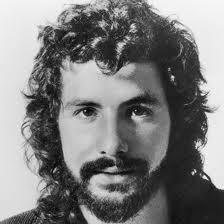
Cat Stevens, pseudonimo di Steven Demetre Georgiou, è un cantautore britannico nato a Londra il 21 luglio 1948. Attivo dal fine degli anni '60 fino al 1978, ha poi abbracciato l'Islam e cambiato nome in Yusuf Islam, continuando la sua carriera musicale con un approccio più spirituale. Stevens è noto per le sue melodie folk-rock malinconiche e introspettive, spesso accompagnate da testi poetici che esplorano temi di amore, perdita, fede e spiritualità. Tra i suoi brani più celebri figurano "Wild World", "Father and Son" e "Peace Train". L'album "Tea for the Tillerman" (1970) è considerato un classico del folk-rock britannico. Dopo il suo periodo di conversione, Yusuf Islam ha continuato a pubblicare musica con testi più religiosi, ma ha sempre mantenuto una sensibilità musicale raffinata e poetica.
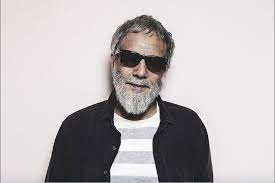
Ho letto una recente intervista di Yusuf/ Cat Stevens che mi ha molto commossa. L'artista britannico ha infatti dichiarato al Corriere della Sera, che ripensando al suo brano "Peace Train", si sente di affermare che quel treno non è mai partito: " vivere con gli altri è una vera e

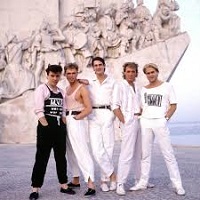 Spandau Ballet
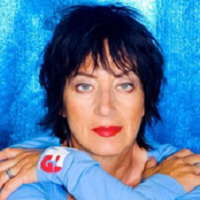 Carole Pope
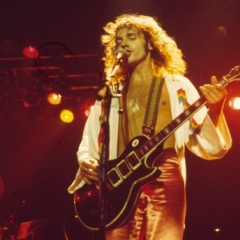 Peter Frampton
 Utumno
 Shampoo
 Acoustic Ladyland
 Sunset Strippers
 Hillsong Kids
 Mis-Teeq
 Spacehog
 Oconnor Hazel
 The Long Blondes