






The summer of 1974 was brutally hot in New York and I kept thinking about how nice and icy it must be at the North Pole. And then I though, “Wait a second, why not go?� You know, like in cartoons where they hang going to the North Pole on their door knobs and they just take off.
So I spent a couple of weeks preparing for the trip, getting a hatchet, a huge backpack, maps, knives, sleeping bags, lures and a three month supply of Banic, a versatile high-protein paste that can be made into flat bread, biscuits or cereal.
Now I had decided to hitch hike and one day I just walked out onto Austin Street, weighing down seventy pounds of gear, and stuck out my thumb.
— Going North? I asked the driver as I struggled into a station wagon.
After I got out of New York, most of the rides were trucks until I reached the Hudson Bay and began to hitch in small mail planes. The pilots were usually guys who'd gone to Canada to avoid the draft or else embittered Vietnam vets who never wanted to go home again. Either way they always wanted to show off a few of their stunts. We'd go swooping along the rivers doing loop do loops and baby ###080152. And they'd drop me off at an airstrip. “There'll be another plane by here couple of weeks; see ya; good luck.�
I never did make it all the way to the geographic pole; it turned out to be a restricted area and no one was allowed to fly in or even over it. I did get within a few miles of the magnetic pole though. So it wasn't really that disappointing. I entertained myself in the evenings, cooking or smoking, and watching the blazing light of the huge Canadian sunsets as they turned the lake into fire.
Later I lay on by back, looking up at the Northern lights and imagining there'd been a nuclear holocaust and that I was the only human being left in all of North America and what would I do then.
And then, when these lights went out, I stretched out on the ground, watching the stars as they turned around and their enormous silent ###080318.
I finally decided to turn back because of my hatchet. I'd been chopping some wood and the hatchet flew out of my hand on the upswing. And I did what you should never do when this happens: I looked up to see where it had gone and it came down — fffooo — just missing my head and I thought, “My God! I could be working around here with a hatchet embedded in my skull and I'm ten miles from the airstrip. And nobody in the whole world knows where I am.�
Daddy Daddy, it was just like you said
Now that the living outnumber the dead
Where I come from it's a long thin thread
Across an ocean. Down a river of red
Now that the living outnumber the dead
Speak my language
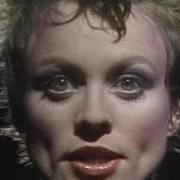
Laurie Anderson (nata Laura Phillips Anderson) è un'artista americana poliedrica, nota per la sua musica sperimentale, le performance teatrali innovative e l'utilizzo di tecnologie elettroniche. Nata nel 1947 a New York, ha iniziato la sua carriera negli anni '70 come musicista avant-garde, combinando elementi di musica classica, jazz e elettronica con testi poetici e narrazioni surreali. La sua performance iconica "O Superman" (1981) le ha conferito fama internazionale, raggiungendo il successo nelle classifiche musicali e anticipando l'uso di sintetizzatori e campionamenti nella musica pop. Anderson è stata una pioniera nell'integrazione di tecnologia e arte, utilizzando computer, video e strumenti elettronici per creare spettacoli multimediali coinvolgenti. Tra i suoi album più importanti figurano "Big Science" (1982), "Home of the Brave" (1986) e "Bright Red" (2005). Oltre alla musica, Anderson ha lavorato anche al cinema, alla televisione e al teatro, ricevendo numerosi premi per le sue creazioni artistiche. Tra i suoi brani più rappresentativi ricordiamo "O Superman", "Walking on the Moon", "Sharkey's Day" e "The Ugly One".
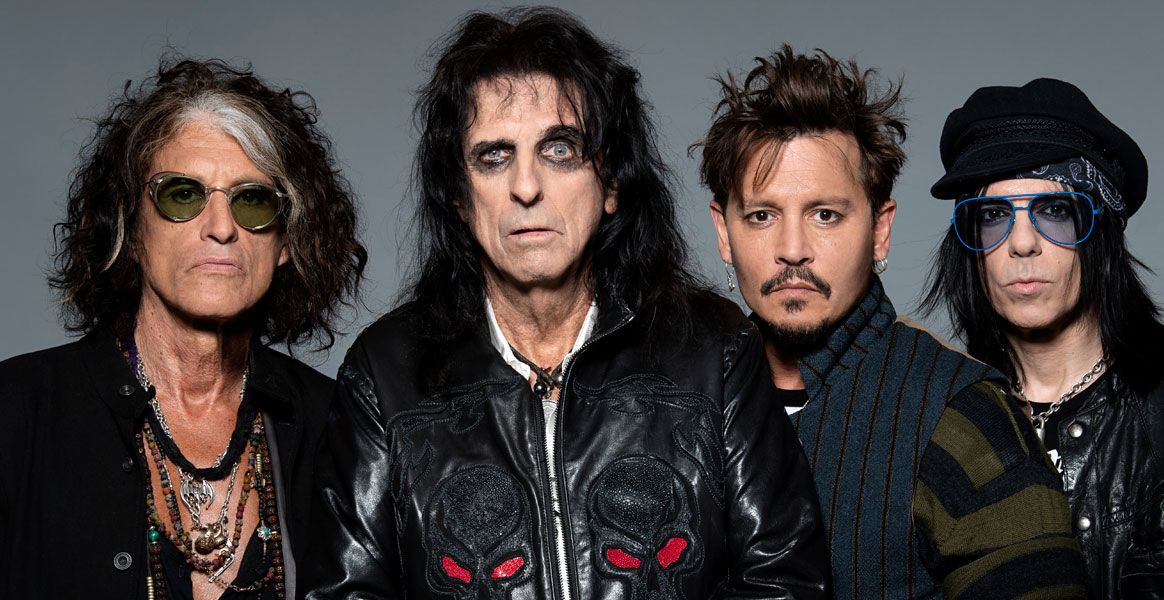
Il supergruppo di Alice Cooper e Johnny Depp è pronto a tornare in Italia con 2 date nel mese di settembre.
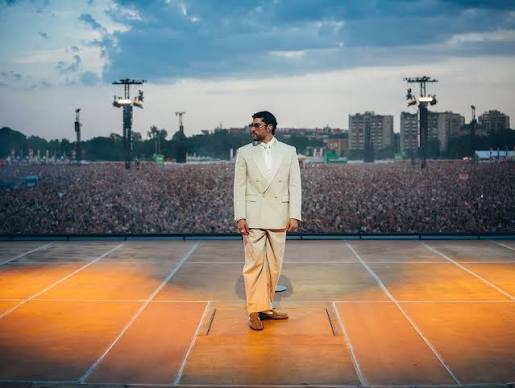
"Era uno dei concerti migliori della mia vita". Bad Bunny è tornato a parlare dell'evento tenuto sabato scorso all'Ippodromo La Maura nella zona San Siro di Milano. E la grandine riapre il problema sicurezza dell'impianto.
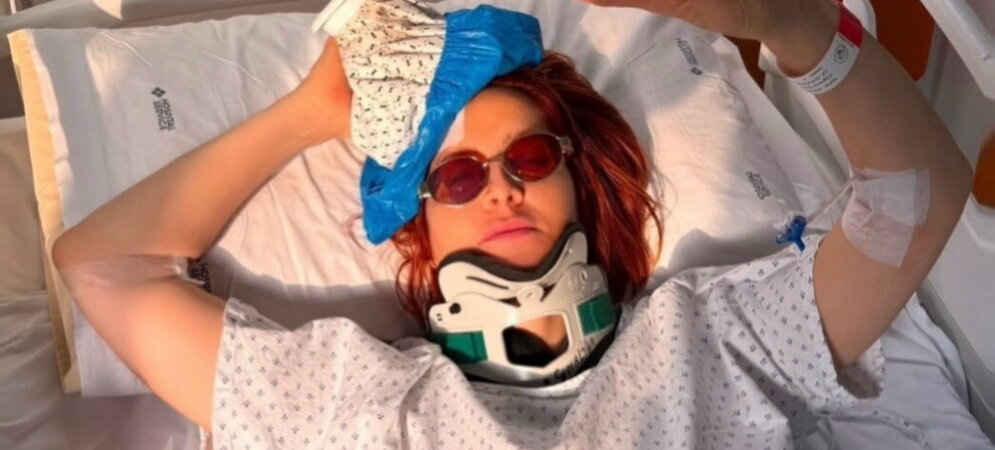
Noemi dovrà osservare 4 settimane di riposo dopo la caduta, ma dal 16 agosto sarà un tour de force per recuperare i live rinviati. Ecco tutte le date fino a settembre.
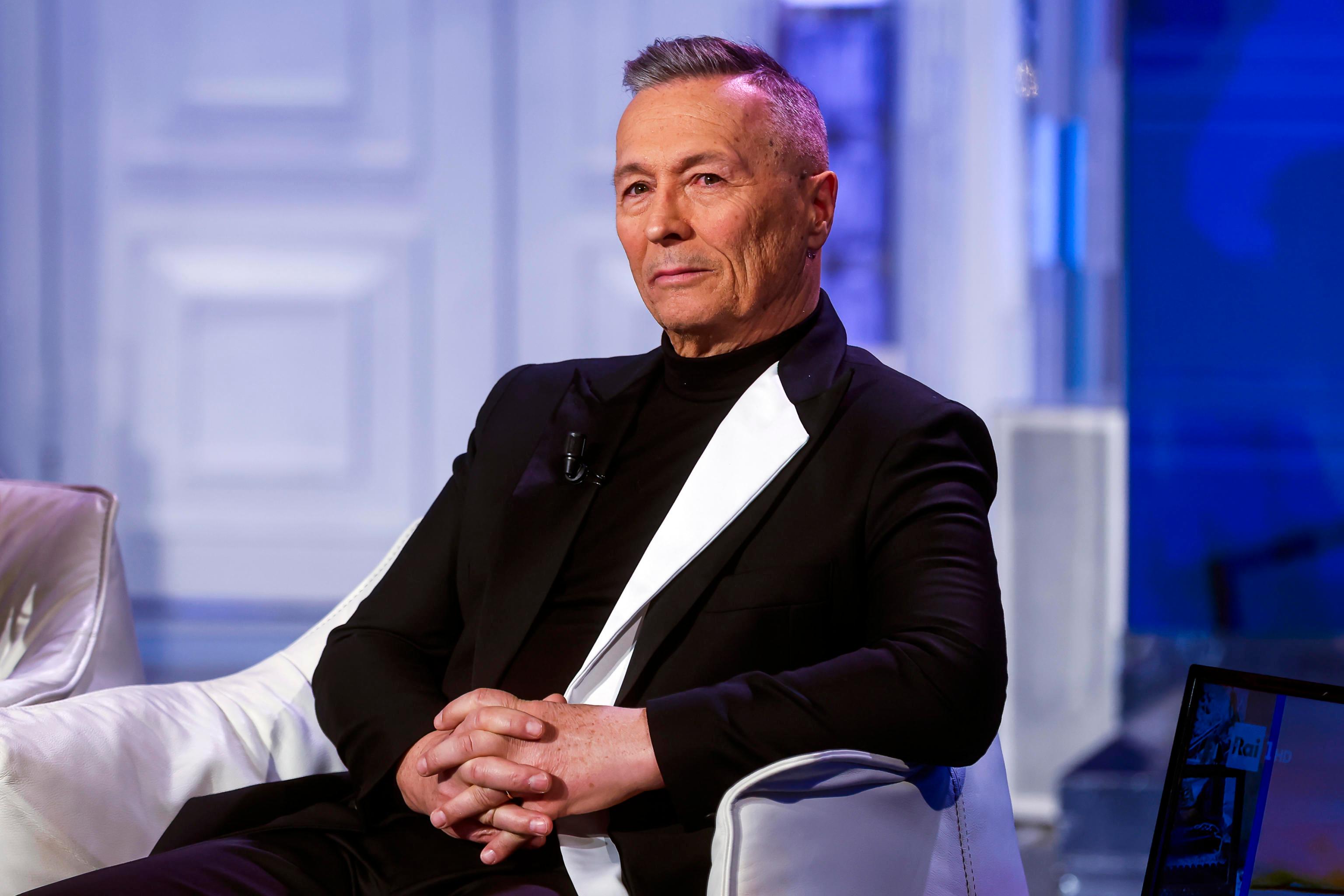
Lo scorso 13 luglio Paolo Belli era in bicicletta tra Correggio e Campagnola, in provincia di Reggio Emilia, per la sua solita sgambata, quando ha investito un uomo di 41 anni di nome Alessandro Mignani che, trasportato in ospedale, dopo 1 giorno in terapia intensiva, è deceduto.
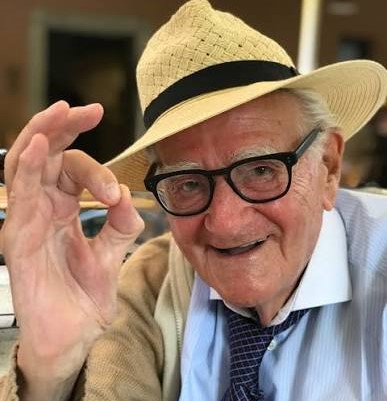
L'11 luglio Teddy Reno ha compiuto 100 anni! E' il primo cantante italiano a raggiungere questo traguardo.
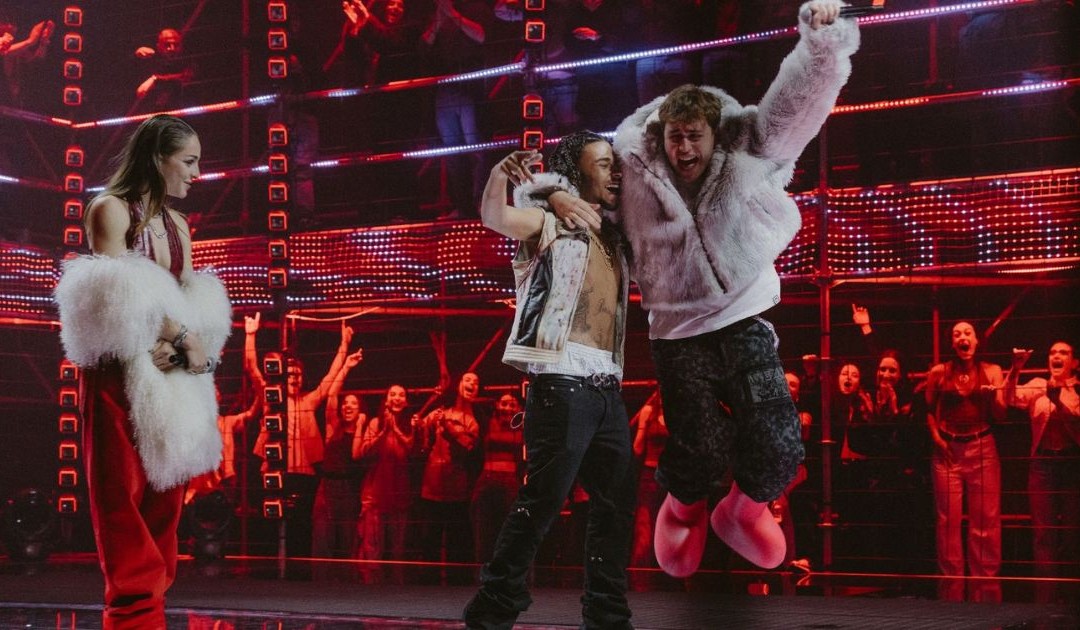
Nella terza edizione di "Nuova Scena", talent dedicato al mondo rap in onda su Netflix, si sono aggiudicati la vittoria i cosentini Flextony e Tigerplug.
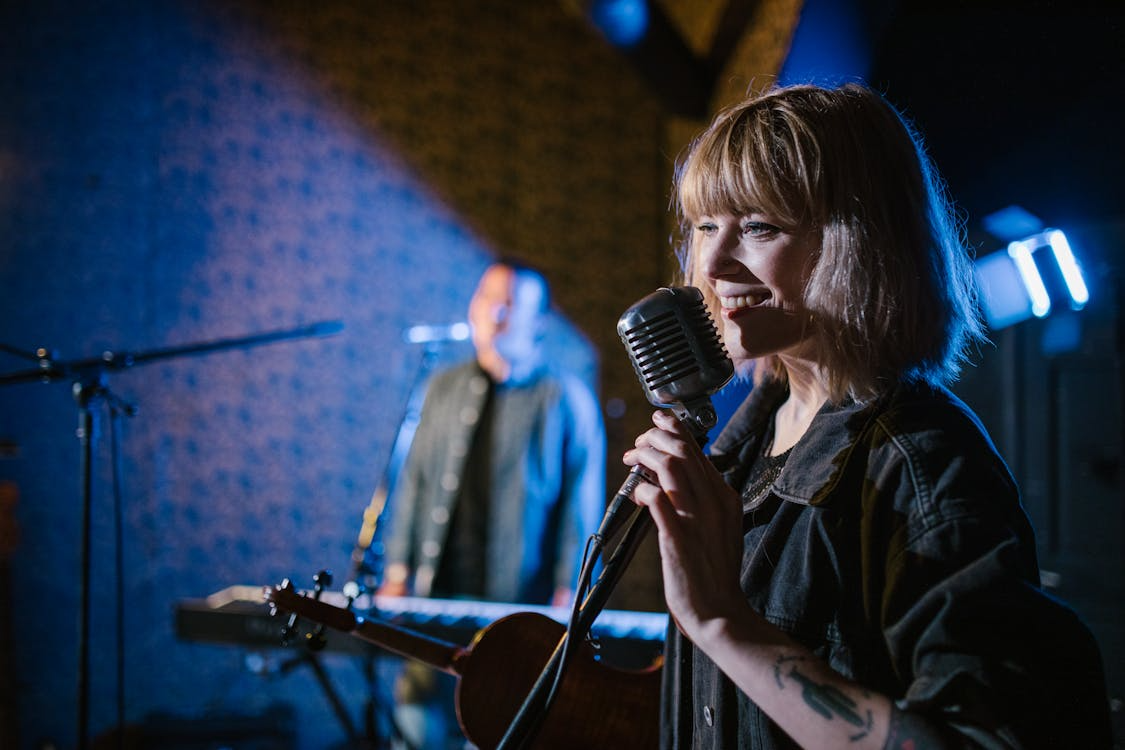
La radio è morta? No. Ma non è più il cancello d'ingresso. Negli ultimi anni qualcosa è cambiato ? radicalmente. Canzoni sconosciute esplodono in pochi giorni. Artisti senza contratto discografico raccolgono milioni di stream. E le radio? Arrivano dopo, non prima. Il pubblico ha preso il controllo. Il potere dei video brevi: 15 secondi che cambiano tutto TikTok ha trasformato le regole del gioco musicale. Una melodia che dura meno di venti secondi può diventare il suono di un'intera estate. Nel 2023, oltre il 70% delle canzoni entrate nella Billboard Hot 100 aveva avuto un'origine virale su piattaforme social prima di ricevere attenzione radiofonica.
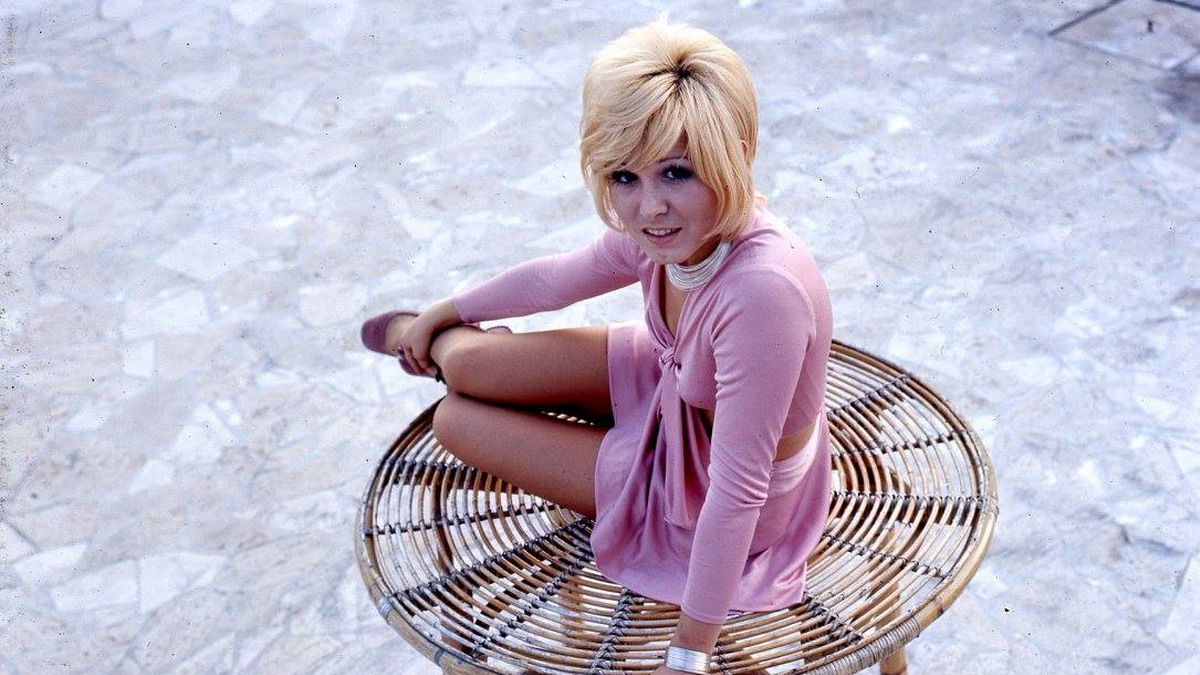
Il 28 aprile 1986 la cantante Graziella Franchini, in arte Lolita, veniva ritrovata esanime e sfigurata nella camera del residence di Lamezia Terme in cui viveva ormai da un pò di tempo. L'omicidio è rimasto privo di colpevoli.
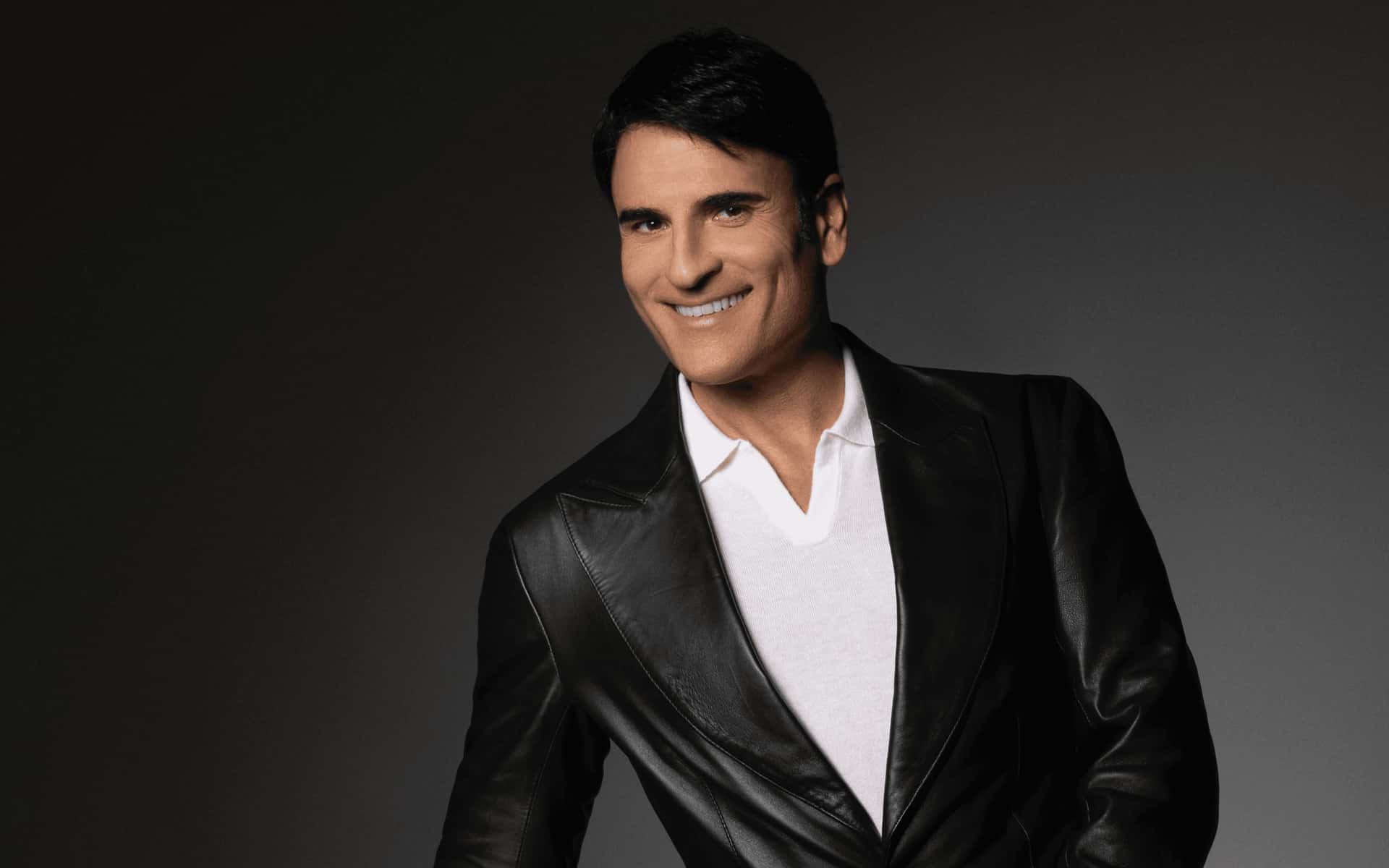
Da qualche parte nel mondo i Blue si sono riuniti davanti a uno schermo per vedere l'esibizione di Sal Da Vinci che canta "Per Sempre Si".

 Billy Burnette
 Visionaries
 Barney
 Athenaeum
 Paul Baloche
 Tatyana Ali
 Rockapella
 Pleasure P
 Atom And His Package
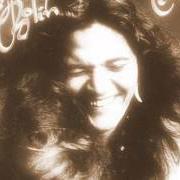 Tommy Bolin
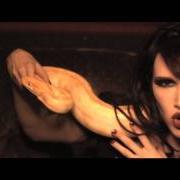 Emii
Emii
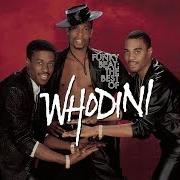 Whodini