







He sleeps alone in the damp
And rests his head upon a door
The only bed he knows is the floor,
The tramp
Turned up collar and worn out shoes
He doesn't care 'cause he hasn't got nothing to lose
He sleeps alone in the damp
And rests his head upon a door
The only bed he knows is the floor,
The tramp
No companion to take him home
His only friends are the kind that just leave him alone
No one knows just how lonely his life has been
In a world that lives in a dream
He sleeps alone in the damp
And rests his head upon a door
The only bed he knows is the floor,
The tramp
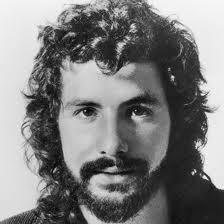
Cat Stevens, pseudonimo di Steven Demetre Georgiou, è un cantautore britannico nato a Londra il 21 luglio 1948. Attivo dal fine degli anni '60 fino al 1978, ha poi abbracciato l'Islam e cambiato nome in Yusuf Islam, continuando la sua carriera musicale con un approccio più spirituale. Stevens è noto per le sue melodie folk-rock malinconiche e introspettive, spesso accompagnate da testi poetici che esplorano temi di amore, perdita, fede e spiritualità. Tra i suoi brani più celebri figurano "Wild World", "Father and Son" e "Peace Train". L'album "Tea for the Tillerman" (1970) è considerato un classico del folk-rock britannico. Dopo il suo periodo di conversione, Yusuf Islam ha continuato a pubblicare musica con testi più religiosi, ma ha sempre mantenuto una sensibilità musicale raffinata e poetica.
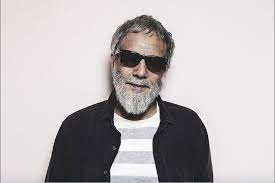
Ho letto una recente intervista di Yusuf/ Cat Stevens che mi ha molto commossa. L'artista britannico ha infatti dichiarato al Corriere della Sera, che ripensando al suo brano "Peace Train", si sente di affermare che quel treno non è mai partito: " vivere con gli altri è una vera e

 The Jam
 Moev
 Angel
 Stiltskin
 Vex Red
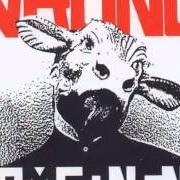 Nomeansno
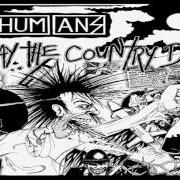 Subhumans
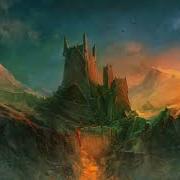 Utumno
 Tony Hadley
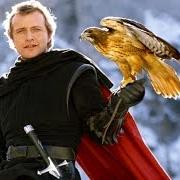 Ladyhawk
 The Raconteurs
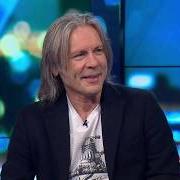 Bruce Dickinson