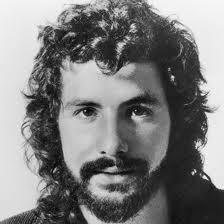









The view from the top can be oh so very lonely
And you can be missing such a lot that could be yours
Why can't I stop forgetting myself?
Why am I always trying to be like somebody else
Why can't I love you?
Why bother flying high above you
I know where you are
The view from the top can be oh so very lonely
And you can be missin' such a lot that could be yours
And who's going to miss me?
There'll only be myself to blame
You know I'd love to hold you tight
And love you all the night
But I don't even know ...my name
La la la da la ....
Why can't I stop forgetting myself?
Why am I always trying to be like somebody else?
Why can't I love you?
Why bother flying high above you
I know where you are
The view from the top can be oh so very lonely
And you can be missin' such a lot that could be yours
Cat Stevens, pseudonimo di Steven Demetre Georgiou, è un cantautore britannico nato a Londra il 21 luglio 1948. Attivo dal fine degli anni '60 fino al 1978, ha poi abbracciato l'Islam e cambiato nome in Yusuf Islam, continuando la sua carriera musicale con un approccio più spirituale. Stevens è noto per le sue melodie folk-rock malinconiche e introspettive, spesso accompagnate da testi poetici che esplorano temi di amore, perdita, fede e spiritualità. Tra i suoi brani più celebri figurano "Wild World", "Father and Son" e "Peace Train". L'album "Tea for the Tillerman" (1970) è considerato un classico del folk-rock britannico. Dopo il suo periodo di conversione, Yusuf Islam ha continuato a pubblicare musica con testi più religiosi, ma ha sempre mantenuto una sensibilità musicale raffinata e poetica.
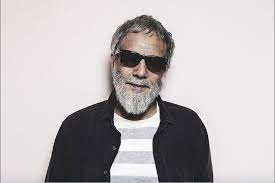
Ho letto una recente intervista di Yusuf/ Cat Stevens che mi ha molto commossa. L'artista britannico ha infatti dichiarato al Corriere della Sera, che ripensando al suo brano "Peace Train", si sente di affermare che quel treno non è mai partito: " vivere con gli altri è una vera e

 Crystal Fighters
 Colourbox
 Jeanette
 Delphic
 Cast
 X-Ray Spex
 Eddy Grant
 Amy Winehouse
 Raining Pleasure
 Gam
 Forefather
 Jeff Black