







I used to trust nobody, trusting even less their words,
Until I found somebody, there was no one I preferred,
My heart was made of stone, my eyes saw only misty grey,
Until you came into my life girl, I saw everyone that way.
Until I found the one I needed at my side,
I think I would have been a sad man all my life.
I think I see the light coming to me,
Coming through me giving me a second sight.
So shine, shine, shine,
Shine, shine, shine,
Shine, shine, shine.
I used to walk alone, every step seemed the same.
This world was not my home, so there was nothing much to gain.
Look up and see the clouds, look down and see the cold floor.
Until you came into my life girl, I saw nothing, nothing more.
Until I found the one I needed at my side,
I think I would have been a sad man all my life.
I think I see the light coming to me,
Coming through me giving me a second sight.
So shine, shine, shine,
Shine, shine, shine,
Shine, shine, shine.
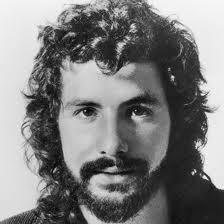
Cat Stevens, pseudonimo di Steven Demetre Georgiou, è un cantautore britannico nato a Londra il 21 luglio 1948. Attivo dal fine degli anni '60 fino al 1978, ha poi abbracciato l'Islam e cambiato nome in Yusuf Islam, continuando la sua carriera musicale con un approccio più spirituale. Stevens è noto per le sue melodie folk-rock malinconiche e introspettive, spesso accompagnate da testi poetici che esplorano temi di amore, perdita, fede e spiritualità. Tra i suoi brani più celebri figurano "Wild World", "Father and Son" e "Peace Train". L'album "Tea for the Tillerman" (1970) è considerato un classico del folk-rock britannico. Dopo il suo periodo di conversione, Yusuf Islam ha continuato a pubblicare musica con testi più religiosi, ma ha sempre mantenuto una sensibilità musicale raffinata e poetica.
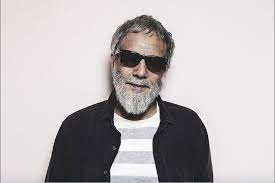
Ho letto una recente intervista di Yusuf/ Cat Stevens che mi ha molto commossa. L'artista britannico ha infatti dichiarato al Corriere della Sera, che ripensando al suo brano "Peace Train", si sente di affermare che quel treno non è mai partito: " vivere con gli altri è una vera e

 Jake Bugg
 Snuff
 Anthony Phillips
 Blood Orange
 British Lions
 The Lovely Eggs
 Cornershop
 Bbm
 Dee D. Jackson
 Steve Hackett
 Ben Mills
 Monday In London