







Trouble
Oh trouble set me free
I have seen your face
And it's too much too much for me
Trouble
Oh trouble can't you see
You're eating my heart away
And there's nothing much left of me
I've drunk your wine
You have made your world mine
So won't you be fair
So won't you be fair
I don't want no more of you
So won't you be kind to me
Just let me go where
I'll have to go there
Trouble
Oh trouble move away
I have seen your face
And it's too much for me today
Trouble
Oh trouble can't you see
You have made me a wreck
Now won't you leave me in my misery
I've seen your eyes
And I can see death's disguise
Hangin' on me
Hangin' on me
I'm beat, I'm torn
Shattered and tossed and worn
Too shocking to see
Too shocking to see
Trouble
Oh trouble move from me
I have paid my debt
Now won't you leave me in my misery
Trouble
Oh trouble please be kind
I don't want no fight
And I haven't got a lot of time
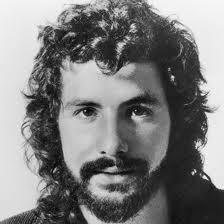
Cat Stevens, pseudonimo di Steven Demetre Georgiou, è un cantautore britannico nato a Londra il 21 luglio 1948. Attivo dal fine degli anni '60 fino al 1978, ha poi abbracciato l'Islam e cambiato nome in Yusuf Islam, continuando la sua carriera musicale con un approccio più spirituale. Stevens è noto per le sue melodie folk-rock malinconiche e introspettive, spesso accompagnate da testi poetici che esplorano temi di amore, perdita, fede e spiritualità. Tra i suoi brani più celebri figurano "Wild World", "Father and Son" e "Peace Train". L'album "Tea for the Tillerman" (1970) è considerato un classico del folk-rock britannico. Dopo il suo periodo di conversione, Yusuf Islam ha continuato a pubblicare musica con testi più religiosi, ma ha sempre mantenuto una sensibilità musicale raffinata e poetica.
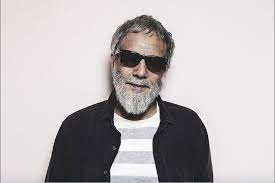
Ho letto una recente intervista di Yusuf/ Cat Stevens che mi ha molto commossa. L'artista britannico ha infatti dichiarato al Corriere della Sera, che ripensando al suo brano "Peace Train", si sente di affermare che quel treno non è mai partito: " vivere con gli altri è una vera e

 The Courteeners
 Margaret Berger
 Dare
 Steve Hogarth
 Visage
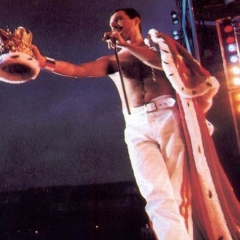 Freddie Mercury
 Keisha White
 Hugh Cornwell
 Silence 4
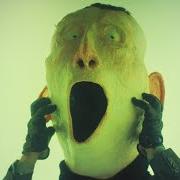 Steven Wilson
 Kirsty Hawkshaw
 Apartment 26