






Longer boats are coming to win us
They're coming to win us, they're coming to win us
Longer boats are coming to win us
Hold on to the shore, they'll be taking the key from the door.
I don't want no god on my lawn
Just a flower I can help along
'Cause the soul of no body knows
How a flower grows... Oh how a flower grows.
Chorus
Mary dropped her pants by the sand
And let a parson come and take her hand
But the soul of no body knows
Where the parson goes, where does the parson go?
Chorus
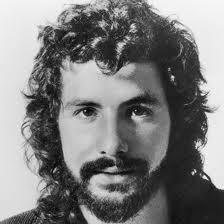
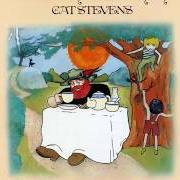
Cat Stevens, pseudonimo di Steven Demetre Georgiou, è un cantautore britannico nato a Londra il 21 luglio 1948. Attivo dal fine degli anni '60 fino al 1978, ha poi abbracciato l'Islam e cambiato nome in Yusuf Islam, continuando la sua carriera musicale con un approccio più spirituale. Stevens è noto per le sue melodie folk-rock malinconiche e introspettive, spesso accompagnate da testi poetici che esplorano temi di amore, perdita, fede e spiritualità. Tra i suoi brani più celebri figurano "Wild World", "Father and Son" e "Peace Train". L'album "Tea for the Tillerman" (1970) è considerato un classico del folk-rock britannico. Dopo il suo periodo di conversione, Yusuf Islam ha continuato a pubblicare musica con testi più religiosi, ma ha sempre mantenuto una sensibilità musicale raffinata e poetica.
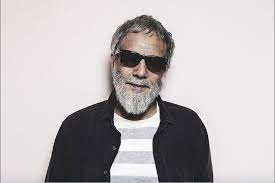
Ho letto una recente intervista di Yusuf/ Cat Stevens che mi ha molto commossa. L'artista britannico ha infatti dichiarato al Corriere della Sera, che ripensando al suo brano "Peace Train", si sente di affermare che quel treno non è mai partito: " vivere con gli altri è una vera e

 Teeth
 David Sneddon
 Oceans Ate Alaska
 Hunna (The)
 Django Django
 Newton Faulkner
 Electrelane
 Emerson, Lake & Palmer
 Thom Yorke
 Precious
 Pulp
 Wiley